

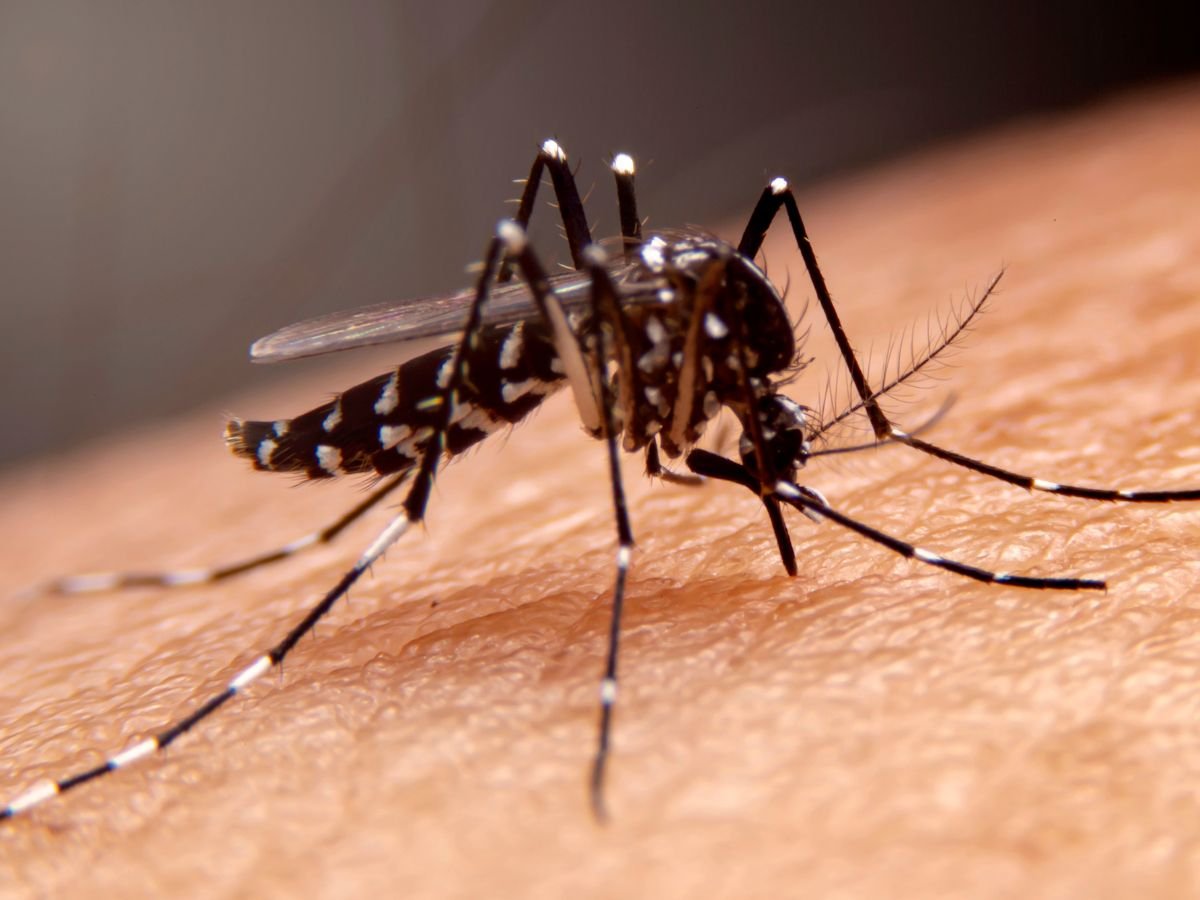
New Delhi, 22 December 2024: The fight against malaria, one of the deadliest diseases affecting millions worldwide, has taken a significant step forward. Researchers have reported promising results from a Phase IIb clinical trial of the first-ever blood-stage malaria vaccine. This breakthrough offers new hope in the global effort to combat malaria, particularly in regions where the disease is a leading cause of morbidity and mortality.
A Game-Changer in Malaria Prevention
Malaria, caused by the Plasmodium parasite and transmitted by Anopheles mosquitoes, has long been a public health challenge. Traditional interventions, such as insecticide-treated bed nets, antimalarial drugs, and mosquito control programs, have significantly reduced the disease burden but have not eliminated it.
The development of a blood-stage malaria vaccine targets the stage of the parasite’s lifecycle when it invades and multiplies in red blood cells. This innovative approach aims to reduce the severity of the disease and potentially prevent its transmission.
The Vaccine: How It Works
The new vaccine, named [vaccine name, if available], works by inducing an immune response that targets the blood-stage parasites. Unlike earlier vaccines focusing on the liver stage of the parasite’s lifecycle, this blood-stage vaccine is designed to curb the replication of the parasite in the bloodstream, reducing symptoms and complications.
Researchers utilized advanced immunological techniques to develop the vaccine. It incorporates specific antigens from the malaria parasite that trigger a robust immune response, providing protection against infection. Preliminary results from the Phase IIb trial indicate that the vaccine is both safe and effective, marking a significant milestone in malaria research.
Malaria Vaccine: Promising Results from Phase IIb Trial
The Phase IIb trial, conducted in malaria-endemic regions, enrolled hundreds of participants, including children and adults at high risk of malaria. Key findings from the trial include:
Efficacy: The vaccine demonstrated a significant reduction in blood-stage parasitemia, the presence of parasites in the blood, compared to the control group.
Safety: Participants reported minimal side effects, with the majority being mild and temporary, such as soreness at the injection site or low-grade fever.
Durability: The immune response induced by the vaccine was sustained over several months, indicating its potential for long-term protection.
Malaria Control Vaccine
The development of a blood-stage malaria vaccine represents a crucial advancement in global health. Malaria continues to claim over 600,000 lives annually, with the majority of deaths occurring in sub-Saharan Africa among children under five years of age. A vaccine that effectively targets the blood stage of malaria could:
Reduce severe cases and fatalities.
Complement existing prevention strategies, such as mosquito nets and antimalarial drugs.
Contribute to the eradication of malaria by reducing transmission rates.
Challenges and the Road Ahead
Despite these promising results, challenges remain. The vaccine’s efficacy must be validated in larger Phase III trials across diverse populations and malaria transmission settings. Additionally, the production and distribution of the vaccine must be scaled up to ensure accessibility in low-income countries, where the disease burden is highest.
Researchers are also exploring the combination of the blood-stage vaccine with other malaria vaccines targeting different stages of the parasite’s lifecycle. This multi-pronged approach could provide comprehensive protection against malaria.
The success of the first-ever blood-stage malaria vaccine in Phase IIb trials marks a pivotal moment in the fight against this ancient disease. While further research and development are needed, this breakthrough brings the world closer to a future free from the scourge of malaria. It reinforces the importance of sustained investment in vaccine development and the global commitment to eradicating malaria once and for all.

















Leave a comment