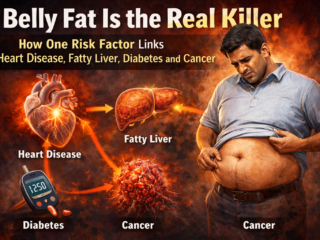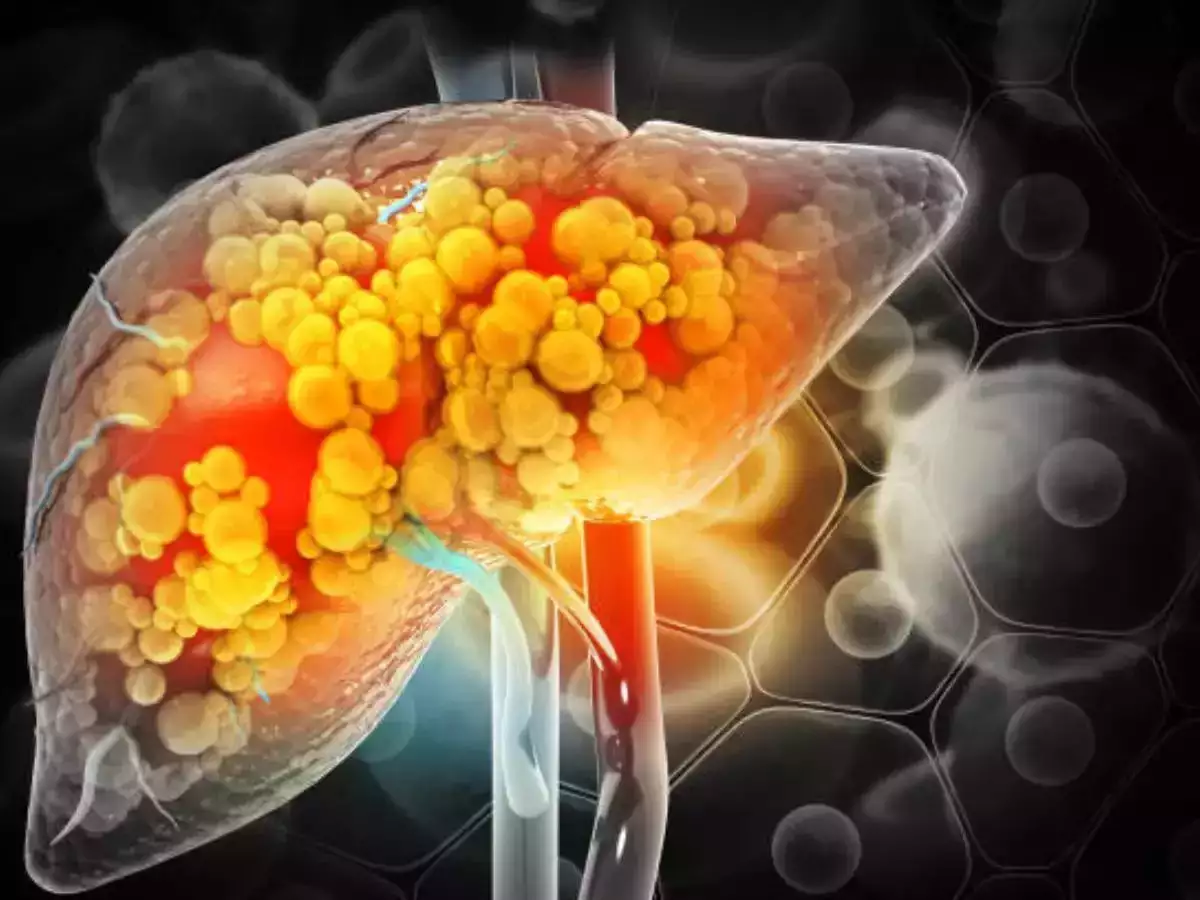
Non-alcoholic fatty liver disease (NAFLD), commonly known as fatty liver, has emerged as one of India’s most silent yet rapidly growing lifestyle diseases. Once thought to primarily affect people with heavy alcohol consumption, research now shows that fatty liver can develop even in individuals who abstain from alcohol, and it is increasingly common among young urban adults. Experts warn that if left unchecked, fatty liver can progress to severe liver damage, metabolic complications, and even liver cancer.
What Is Fatty Liver – EXPLAINED
Fatty liver occurs when excess fat accumulates in liver cells. In early stages, the condition may remain asymptomatic, causing no pain or discomfort, which makes early detection challenging. Over time, fat deposition triggers inflammation (steatohepatitis), which can lead to scarring (fibrosis) and irreversible liver damage.
Non-alcoholic fatty liver disease (NAFLD) is distinct from alcoholic fatty liver disease (AFLD). NAFLD is primarily linked to diet, obesity, sedentary lifestyle, and metabolic disorders rather than alcohol consumption.
India Seeing A Surge In Fatty Liver Cases – WHY?
Recent studies indicate that nearly 25–30% of urban Indians show signs of fatty liver, making India one of the countries with the fastest growth in NAFLD cases. In some metropolitan cities, this figure can reach up to 40%, especially among people aged 25–45.
The surge is closely tied to rapid urbanization, changing diets, sedentary lifestyles, and rising rates of obesity, diabetes, and high cholesterol—all major risk factors for fatty liver.
Who Is Most at Risk?
Although fatty liver can affect anyone, certain groups are particularly vulnerable:
- Overweight or obese individuals: Excess body fat, particularly abdominal fat, increases liver fat accumulation.
- People with diabetes or insulin resistance: Poor glucose regulation leads to fat deposition in the liver.
- Individuals consuming high-calorie, low-nutrient diets: Diets high in sugar, refined carbohydrates, and unhealthy fats contribute to NAFLD.
- Sedentary lifestyle: Lack of physical activity slows metabolism and increases the risk of fat buildup.
- Genetic predisposition: Some families show higher susceptibility to fatty liver, even with healthy lifestyles.
Importantly, even people with normal body weight can develop fatty liver, a condition sometimes referred to as “lean NAFLD,” making routine health screenings essential.
Silent Symptoms to Watch For
One of the biggest challenges with fatty liver is that early stages are largely asymptomatic. When symptoms do appear, they may include:
- Fatigue or general weakness
- Mild abdominal discomfort or fullness in the upper right side
- Unexplained weight loss or loss of appetite
- Elevated liver enzymes in routine blood tests
Because these signs are subtle, many people remain undiagnosed until the disease has progressed to serious complications.
How Fatty Liver Affects Your Health
Fatty liver is not just a liver issue. Its presence often signals metabolic dysfunction, putting individuals at higher risk for:
- Type 2 diabetes: Insulin resistance caused by fatty liver can worsen blood sugar control.
- Heart disease: Fatty liver is strongly associated with atherosclerosis, high cholesterol, and heart attacks.
- Obesity-related complications: Fatty liver contributes to systemic inflammation, which exacerbates obesity-related diseases.
- Liver failure or liver cancer: In advanced stages, NAFLD can progress to cirrhosis or hepatocellular carcinoma.
Lifestyle Changes for Prevention and Management
The good news is that fatty liver is largely preventable and reversible in early stages. Lifestyle interventions remain the cornerstone of management:
- Balanced diet: Reduce sugar, refined carbs, and saturated fats. Increase intake of vegetables, fruits, whole grains, and lean protein.
- Regular exercise: At least 30–45 minutes of moderate physical activity daily helps burn liver fat and improve insulin sensitivity.
- Weight management: Even a 5–10% reduction in body weight can significantly reduce liver fat and inflammation.
- Limit processed foods: Avoid sugary beverages, fried foods, and fast food items.
- Routine screening: People with diabetes, obesity, or high cholesterol should monitor liver enzymes regularly.
While lifestyle modifications remain primary, physicians may recommend medications in select cases to address insulin resistance, high cholesterol, or inflammation. Research into liver-targeted therapies is ongoing, with promising results for patients with advanced NAFLD or non-alcoholic steatohepatitis (NASH).
The Bigger Picture: Why Awareness Matters
Fatty liver is a public health concern that has often flown under the radar because it lacks obvious symptoms in early stages. Awareness is critical, as early diagnosis can prevent progression to irreversible liver damage.
Given the rising rates in urban India and among young adults, health experts stress that screening for fatty liver should become part of routine health checks, especially for individuals with obesity, diabetes, or metabolic syndrome.
Fatty Liver On The Rise In India: What You Need To Do For Safety?
Fatty liver is no longer just a “lifestyle nuisance”—it is India’s fastest-growing lifestyle disease and a key contributor to diabetes, heart disease, and even liver cancer. The danger lies in its silent progression, often undetected until serious damage occurs.
Preventive measures, including healthy eating, regular exercise, weight management, and periodic health screenings, are essential to combat this epidemic. Recognizing that you don’t need to drink alcohol to develop fatty liver is the first step toward protecting your liver, metabolic health, and overall well-being.
In today’s fast-paced, urbanized world, taking proactive measures against fatty liver is not just about liver health—it is about safeguarding your long-term life and vitality.