

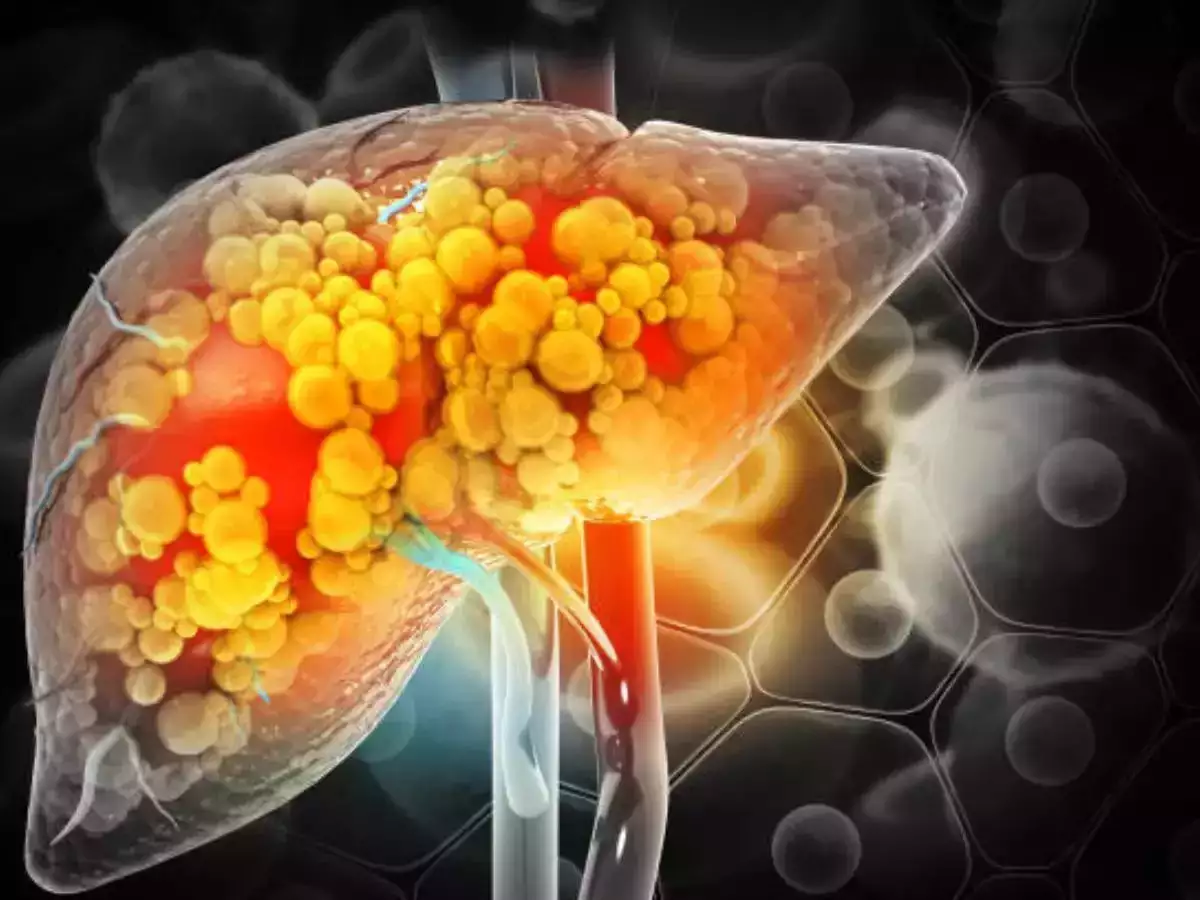
New Delhi, 22 May 2025: India may be silently grappling with a fast-growing health concern—Fatty Liver Cause among the youth. Often dismissed as an “older adult” condition. Fatty liver disease is now increasingly being diagnosed in teenagers and young adults, raising serious alarm among healthcare professionals. The prevalence of non-alcoholic fatty liver disease (NAFLD) in India is climbing steadily, especially in urban populations where sedentary lifestyles, poor diet, and rising obesity are contributing factors.
What Is Fatty Liver Disease?
Fatty Liver Cause occurs when excess fat builds up in the liver, impairing its normal function. While alcoholic fatty liver disease (AFLD) results from heavy drinking, non-alcoholic fatty liver disease (NAFLD) can occur in people who drink little or no alcohol at all. If left untreated, fatty liver can progress to non-alcoholic steatohepatitis (NASH), liver fibrosis, cirrhosis, and even liver cancer.
Why Are More Young Indians Affected?
In recent years, doctors across India have reported a growing number of young patients in their 20s and 30s being diagnosed with fatty liver during routine health check-ups or unrelated treatments. The following factors are contributing to this silent epidemic:
- Unhealthy Diets: Increased consumption of processed foods, sugary drinks, and high-fat diets.
- Lack of Physical Activity: Sedentary lifestyles and increased screen time.
- Obesity and Overweight: Central obesity (fat around the belly) is a major risk factor.
- Metabolic Syndrome: Conditions like high blood pressure, insulin resistance, and high cholesterol often coexist with fatty liver.
The Silent Nature of the Disease
What makes fatty liver disease particularly dangerous is that it is largely asymptomatic in early stages. Many young individuals live with it for years without any signs, making it a silent epidemic. By the time symptoms such as fatigue, abdominal discomfort, or unexplained weight changes appear, liver damage may already be underway.
India’s Alarming Statistics
Studies estimate that around 30–40% of Indian adults may be affected by NAFLD, and even more worrying is the rise in paediatric fatty liver disease, especially among overweight adolescents. Experts warn that if left unchecked, fatty liver could soon become India’s leading cause of chronic liver disease—replacing alcohol and viral hepatitis.
Prevention Is Key
The good news is that fatty liver is reversible, especially in its early stages. Here’s what health experts recommend for youth and young adults:
- Adopt a healthy diet: Focus on whole grains, fruits, vegetables, and reduce sugar intake.
- Exercise regularly: At least 30 minutes of physical activity, five days a week.
- Limit screen time: Encourage active hobbies instead of prolonged gadget use.
- Get regular health check-ups: Especially for those with a family history of liver disease or obesity.
- Avoid self-medication and supplements: Some over-the-counter drugs and bodybuilding supplements can harm the liver.
The surge in fatty liver disease among India’s youth is an urgent public health concern that demands awareness, lifestyle interventions, and early detection strategies. As India continues to modernize and urbanize, it must not ignore this silent liver pandemic that could have devastating long-term consequences.












Leave a comment