

New Delhi, 27 December 2024: Chronic liver disease (CLD) is a global health challenge, affecting millions of people and leading to significant morbidity and mortality. While traditional treatments focus on medication and lifestyle changes such as dietary adjustments, a growing body of research highlights the critical role of exercise in managing this condition. Exercise not only improves overall health but also directly addresses many of the complications associated with chronic liver disease. This article delves into the connection between exercise and liver health, providing insights into how physical activity can be a transformative element in the management of CLD.
Understanding Chronic Liver Disease
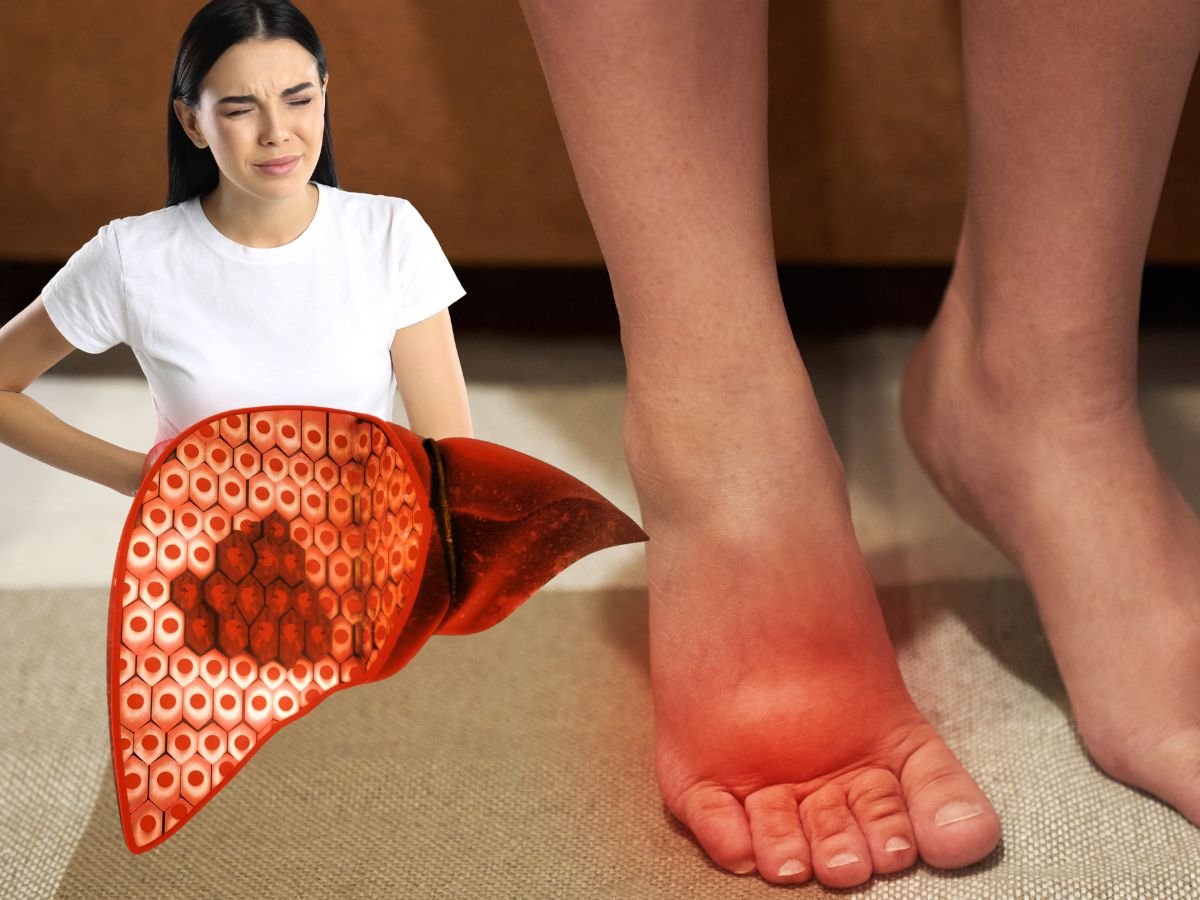
Chronic liver disease encompasses a range of conditions that cause long-term damage to the liver. Common causes include non-alcoholic fatty liver disease (NAFLD), often linked to obesity and metabolic syndrome; alcohol-related liver disease caused by excessive alcohol consumption; hepatitis, which involves viral infections leading to liver inflammation; and cirrhosis, the advanced scarring of the liver due to prolonged damage. Symptoms of CLD often develop slowly and may include fatigue, jaundice, abdominal pain, and fluid retention. Without proper management, chronic liver disease can progress to liver failure, necessitating a transplant.
The Role of Exercise in Liver Health
Exercise is increasingly recognized as a cornerstone of managing chronic liver disease. Its benefits extend beyond general fitness, targeting specific factors that contribute to liver damage and disease progression. For example, regular physical activity helps reduce visceral fat accumulation and improve insulin sensitivity, which lowers the risk of further fat deposits in the liver. Studies indicate that moderate aerobic exercises, such as walking or cycling, can reduce liver fat by up to 10% within a few weeks. Moreover, exercise helps regulate the body’s inflammatory response by lowering levels of pro-inflammatory markers and boosting anti-inflammatory cytokines, which is particularly beneficial for conditions like hepatitis or NAFLD. It also strengthens the heart, improves circulation, and reduces the likelihood of cardiovascular complications, which are common in individuals with chronic liver disease.
Types of Exercise Beneficial for Chronic Liver Disease
Not all exercise is created equal, and individuals with CLD must tailor their activity levels to their specific needs and capabilities. Aerobic exercises like walking, jogging, swimming, and cycling improve cardiovascular health and reduce liver fat, making them an excellent choice. Resistance training exercises, such as lifting weights or using resistance bands, help combat muscle wasting and improve metabolism, with two to three sessions per week being ideal. Flexibility and balance exercises like yoga, Pilates, and stretching enhance flexibility, reduce stress, and improve overall physical function. These activities are particularly beneficial for older adults or those with mobility issues.
Safety Tips for Exercising with Chronic Liver Disease
While exercise offers numerous benefits, it’s essential to approach it with caution, especially for individuals with advanced liver conditions. Always seek medical advice before starting a new exercise regimen to ensure it’s safe and suitable for your condition. Begin with low-intensity activities and gradually increase the duration and intensity. Proper hydration is crucial, as dehydration can exacerbate liver stress. Listen to your body and avoid overexertion, taking breaks if you experience fatigue, dizziness, or discomfort. Incorporating rest days allows your body to recover, especially if you’re new to exercise.
Exercise as Part of a Comprehensive Management Plan
To maximize its benefits, exercise should be integrated into a broader management plan for chronic liver disease. This includes a balanced diet rich in whole grains, lean protein, healthy fats, and plenty of fruits and vegetables. Achieving and maintaining a healthy weight reduces liver strain, while adherence to prescribed medications and regular consultations with healthcare providers ensure a comprehensive approach to management. Minimizing exposure to alcohol and toxins further protects liver function.
Real-Life Success Stories
Many patients with chronic liver disease have experienced remarkable improvements in their health through consistent exercise. For example, a 45-year-old man with NAFLD saw significant reductions in liver fat and improved energy levels after incorporating 30 minutes of brisk walking and strength training into his weekly routine. Similarly, a woman with cirrhosis reported better mobility and reduced fatigue after starting a gentle yoga program tailored to her needs. These stories highlight the transformative potential of exercise as part of a comprehensive treatment plan.
Conclusion
Exercise is a powerful and accessible tool for managing chronic liver disease. By reducing liver fat, combating inflammation, improving cardiovascular health, and preserving muscle mass, physical activity addresses multiple aspects of this complex condition. However, it’s crucial to approach exercise with caution and seek medical guidance to ensure safety and effectiveness. Incorporating regular exercise into a holistic management plan can significantly enhance quality of life and improve long-term health outcomes for individuals with chronic liver disease.
















Leave a comment