


As we commemorate International Women’s Health Day, it’s crucial to shine a spotlight on an often overlooked aspect of women’s health: menstrual hygiene. Despite being a natural biological process, menstruation is often shrouded in stigma and silence, leading to detrimental effects on women’s health and well-being. From reproductive rights to mental health awareness, the spectrum of women’s health encompasses various facets that deserve attention and action.
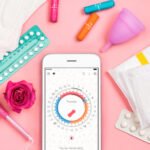
Menstrual hygiene refers to the practices and products used by individuals to manage menstruation in a safe, hygienic, and dignified manner. It encompasses various aspects, including the use of menstrual products such as pads, tampons, menstrual cups, or reusable cloth pads, as well as maintaining cleanliness and sanitation during menstruation.
Breaking the Cycle! Prioritizing Menstrual Hygiene for Health, Dignity, and Empowerment
- Health and Well-being: Proper menstrual hygiene is essential for preventing infections, such as urinary tract infections (UTIs) and reproductive tract infections (RTIs), which can occur if menstrual blood is not managed hygienically.
- Dignity and Confidence: Access to menstrual hygiene products and facilities ensures that menstruating individuals can manage their periods with dignity and confidence, without fear of leaks or odors.
- Education and Empowerment: Menstrual hygiene education empowers individuals with knowledge about their bodies and menstrual health, enabling them to make informed choices and advocate for their rights.
- Social and Economic Impact: Lack of access to menstrual hygiene products and facilities can hinder women and girls’ participation in school, work, and other activities, perpetuating gender inequalities and socioeconomic disparities.
Providing Comprehensive Menstrual Hygiene Initiatives:
- Education: Providing comprehensive menstrual hygiene education in schools, communities, and healthcare settings to dispel myths, break taboos, and promote healthy practices.
- Access to Products: Ensuring affordable and accessible menstrual hygiene products, including pads, tampons, menstrual cups, and reusable options, through subsidies, distribution programs, or menstrual product vending machines.
- Sanitation Facilities: Improving access to clean and private sanitation facilities with facilities for washing and changing menstrual products in schools, workplaces, public spaces, and marginalized communities.
- Empowerment: Empowering women and girls to openly discuss menstruation, advocate for their menstrual health needs, and challenge societal norms and taboos surrounding menstruation.
By prioritizing menstrual hygiene, societies can promote the health, dignity, and empowerment of menstruating individuals, contributing to gender equality and overall well-being.
On International Women’s Health Day, let us reaffirm our commitment to breaking the silence and stigma surrounding menstruation. By promoting menstrual hygiene education, ensuring access to menstrual products and hygiene facilities, and empowering women and girls to manage their periods with dignity, we can create a world where menstruation is no longer a source of shame or taboo. Together, let us work towards a future where every woman and girl can experience menstruation with confidence, comfort, and pride.













Leave a comment