

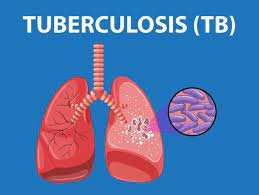
Tuberculosis (TB) is a communicable bacterial infection primarily caused by Mycobacterium Tuberculosis. The main cause of tuberculosis (TB), a communicable bacterial infection, is Mycobacterium tuberculosis. Although it mainly affects the lungs, it can also impact the kidneys, spine, brain, and other organs. When an infected person coughs, sneezes, or talks, microscopic droplets containing the germs are released into the air and spread the disease. When another person inhales these droplets, they can become infected with TB.
Here are some of the early signs of tuberculosis:
- Chronic Cough: A chronic cough that lasts longer than three weeks is frequently the first symptom of tuberculosis. The cough may be dry at first, but as the disease progresses, it may produce thick, hazy, red, or even yellowish sputum. This cough is usually caused by an infection in the lungs and can be one of the early signs of tuberculosis.
- Fever: A low-grade fever, especially in the evenings, is a common symptom of tuberculosis. Body temperature can rise because of the immune system’s reaction to the tuberculosis germs. Night sweats, a frequent condition in which people perspire excessively while they sleep, can also lead to uneasy and restless feelings.
- Decrease in Appetite: Loss of appetite can result from reduced hunger brought on by tuberculosis. This condition may make weight loss worse and increase the risk of nutritional deficits. An infection in the gastrointestinal tract or the body’s inflammatory reaction are two examples of conditions that might cause loss of appetite.
- Chest discomfort: Another common sign of TB is chest discomfort. The pain can be subtle or intense, and it can happen when someone coughs or breathes deeply. It is frequently localized and could get worse with time. TB-related chest pain is usually brought on by lung inflammation or cavities created by the infection.
- Weakness: Common symptoms of TB can include malaise and widespread weakness. People may experience fatigue, both mentally and physically, and find it difficult to gather the energy to carry out daily tasks. Both the metabolic alterations brought on by tuberculosis and the body’s attempts to fight off the infection might be the cause of weakness.
- Breathing Problems: People with tuberculosis may have dyspnoea, especially when engaging in physical activity or exertion. Breathing problems may result from lung damage and inflammation that worsens as the infection spreads. If this symptom is not treated, it could get worse over time.
- Swollen Lymph Nodes: Lymph nodes, especially those in the neck, might swell as a result of tuberculosis. Sometimes felt as lumps under the skin, swollen lymph nodes can be sensitive to the touch. This symptom, which arises from the body’s immune reaction to the tuberculosis bacterium, could be a sign of an ongoing infection.
- Weight Loss: One of the main symptoms of TB is unexplained weight loss. Even with a normal diet, people with tuberculosis (TB) may lose a lot of weight in a short amount of time. The body’s attempts to combat the infection, altered metabolism, and decreased appetite are some of the common causes of this weight loss.
- Other Symptoms: Apart from the indicators listed above, TB can also cause less common symptoms. These include coughing up blood (haemoptysis), hoarseness, tightness in the chest, dysphagia (difficulty swallowing), and a persistent cough that lasts longer than three weeks.
Overall, early detection of these tuberculosis symptoms is essential for timely diagnosis and treatment. If any of these symptoms persist or get worse over time people should get medical help for a correct diagnosis and treatment. Early tuberculosis testing and treatment can lessen the disease’s spread to other people and help avoid consequences on health.

















Leave a comment