

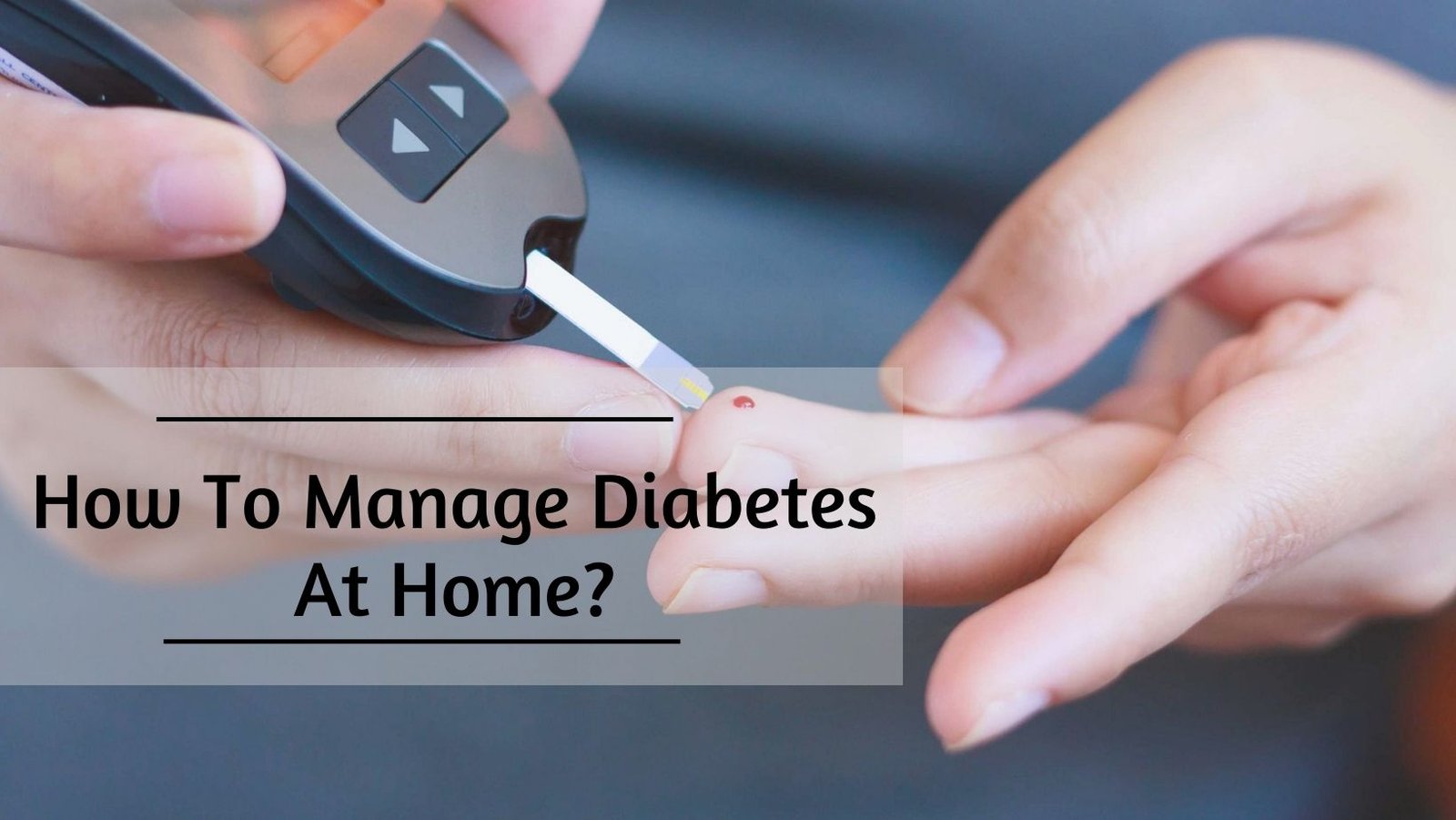
Many experience a sudden after-dinner increase in their blood sugar. The reason for this surge can be traced back to different factors like what they’ve eaten, how much, and how their body interacts with insulin. It’s essential to know these bits and pieces to keep your blood sugar levels in perfect balance.
Tips To Control Nighttime Blood Sugar Spike
Excessive blood sugar after dinner is more harmful than you think, making your body more susceptible to diabetes, heart ailments, and other long-term diseases. Therefore, taming these blood sugar surges is key to safeguarding overall health and thwarting potential health threats.
Check Your Diet – Add Low Glycemic Foods To Your Diet
Incorporating low glycemic index foods into your dinner can effectively tackle post-dinner blood sugar spikes. Such foods take longer to digest and absorb, effectively dodging any unexpected blood sugar increases. Nutrient-rich, low-glycemic foods include whole grains, legumes, lean proteins, and non-starchy veggies.
Manage Your Portions
Managing portion size is another potent tool to keep post-dinner blood sugar in check. Overeating, especially carb-heavy or sugary meals, can skyrocket your blood sugar levels. By eating modulated portions and maintaining a balance of macronutrients, you can keep your after-dinner blood sugar levels in control.
Workout Regularly To Manage Blood Sugar Spike
Physical activity post-dinner can bring down blood sugar levels and make insulin work more effectively. A quick stroll, light workouts, or even domestic work can help ingested food break down better, thus steering clear of blood sugar spikes. Incorporating physical activities into your daily routine is a vital element in managing blood sugar levels and overall health.
Keeping after-dinner blood sugar surges in control is critical for better health. Simple but influential steps such as opting for low-glycemic index food, eating controlled portions, and staying physically active, can significantly enhance management of blood sugar levels and consequently reduce potential health risks. It’s pivotal to instill healthy eating habits and lead an active life to sustain optimum blood sugar and overall wellness.
















Leave a comment