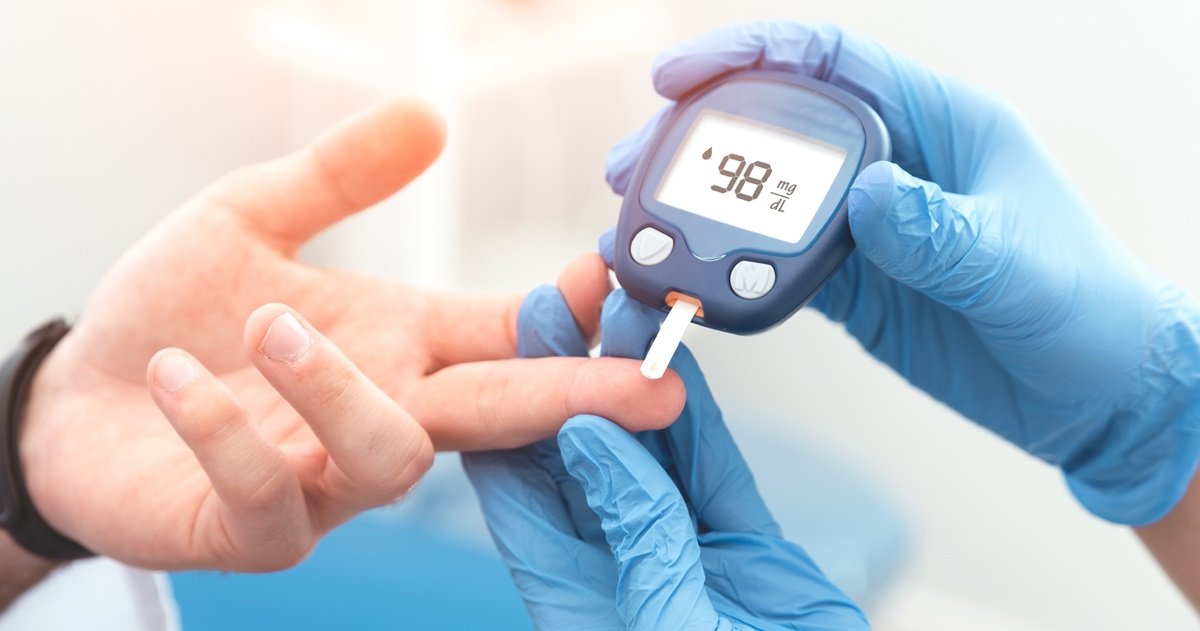
Pregnancy is a critical period not just for a mother’s health but also for the lifelong well-being of her child. New research is now drawing attention to an important but lesser-known concern: diabetes during pregnancy may increase the risk of infections in babies during early infancy. The findings underscore the deep connection between maternal health and a newborn’s immune system, and why careful monitoring during pregnancy matters more than ever.
Understanding Maternal Diabetes
Maternal diabetes broadly includes two conditions — gestational diabetes, which develops during pregnancy, and pre-existing diabetes, where the woman has type 1 or type 2 diabetes before conceiving. Both conditions affect how the body processes glucose and can influence the intrauterine environment in which the baby grows.
Gestational diabetes is particularly common, affecting a growing number of pregnancies worldwide due to rising obesity rates, sedentary lifestyles, and delayed childbearing. While most women with gestational diabetes deliver healthy babies with proper care, doctors have long known that uncontrolled blood sugar levels can raise risks such as high birth weight, premature delivery, and birth complications. The new findings suggest that the impact may extend beyond birth and into the baby’s early immune health.
What the Study Found
Researchers examining large population data observed that infants born to mothers with diabetes were more likely to experience infections during the first months of life compared to those born to non-diabetic mothers. These infections ranged from common respiratory and gastrointestinal illnesses to conditions that required medical attention or hospital visits.
The risk appeared to be higher in babies born to mothers with pre-existing diabetes, but it was also present in cases of gestational diabetes. Importantly, the study did not suggest that infections were inevitable, but it showed a consistent pattern indicating increased vulnerability during early infancy.
Why Early Infancy Is a Vulnerable Period
The first six months of life are a delicate phase for babies. Newborns are born with an immature immune system and rely heavily on maternal antibodies transferred during pregnancy to protect them from infections. These antibodies, especially immunoglobulin G (IgG), act as a temporary shield until the baby’s own immune defences become stronger.
Researchers believe that diabetes during pregnancy may alter this antibody transfer or affect the development of the baby’s immune response. Babies born to diabetic mothers were found to have less diversity in protective antibodies, which could make it harder for their bodies to fight off infections efficiently.
How Maternal Blood Sugar Affects the Baby
High blood sugar levels during pregnancy can influence the placenta, inflammation levels, and fetal development. Chronic exposure to elevated glucose may affect how the baby’s immune cells mature before birth. This can result in subtle immune changes that are not immediately visible at birth but become apparent when the baby encounters infections in the real world.
Additionally, maternal diabetes is linked to a higher likelihood of preterm birth and cesarean delivery, both of which are known to increase infection risk in infants. Premature babies, in particular, have even less time to receive protective antibodies from their mothers, making them more susceptible to illness.
What Types of Infections Are More Common
Infants born to diabetic mothers were observed to have higher rates of:
- Respiratory infections such as colds and bronchitis
- Gastrointestinal infections causing diarrhoea and vomiting
- Ear and skin infections
- In some cases, infections requiring hospitalisation
Doctors stress that these are often common childhood illnesses, but the difference lies in how frequently they occur and how severe they can be in the early months.
What This Means for Expecting Mothers
The findings are not meant to alarm parents, but to highlight the importance of managing diabetes effectively during pregnancy. Most complications linked to maternal diabetes can be significantly reduced with early diagnosis and good glucose control.
Obstetricians emphasise that women with diabetes — whether pre-existing or gestational — should:
- Attend regular prenatal check-ups
- Monitor blood sugar levels as advised
- Follow a balanced, diabetes-appropriate diet
- Stay physically active within medical guidance
- Take medications or insulin exactly as prescribed
“Good blood sugar control during pregnancy doesn’t just benefit the mother — it plays a crucial role in shaping the baby’s early health,” doctors explain.
What Parents Can Do After Birth
For babies born to diabetic mothers, early vigilance is key. Paediatricians recommend:
- Close monitoring during the first six months
- Prompt medical attention if the baby develops fever, poor feeding, breathing difficulty, or lethargy
- Strict adherence to vaccination schedules
- Extra attention to hygiene and infection prevention at home
Breastfeeding, where possible, is strongly encouraged, as breast milk provides additional antibodies that help strengthen the baby’s immune system.
Reassurance for Families
Experts are careful to note that most babies born to mothers with diabetes grow up healthy. The increased infection risk does not mean serious illness is inevitable. Instead, it highlights a window of vulnerability where preventive care and early intervention can make a big difference.
With modern prenatal care, gestational diabetes is usually identified early, and outcomes have improved dramatically over the years. Awareness, rather than fear, is the goal.
A Broader Public Health Message
The study adds to growing evidence that maternal health has long-lasting effects on children, influencing not just birth outcomes but immune health and disease risk later in life. As rates of diabetes rise globally, especially among women of reproductive age, experts say strengthening prenatal screening and education is essential.
Investing in maternal health, they argue, is one of the most effective ways to protect infant health and reduce early childhood illness.
Diabetes during pregnancy may increase a baby’s risk of infections in early infancy, likely due to changes in immune protection passed from mother to child. However, with proper prenatal care, good blood sugar control, and attentive postnatal monitoring, these risks can be managed effectively.
For expectant parents, the message is clear: taking care of maternal health is one of the most powerful ways to safeguard a baby’s start in life.