

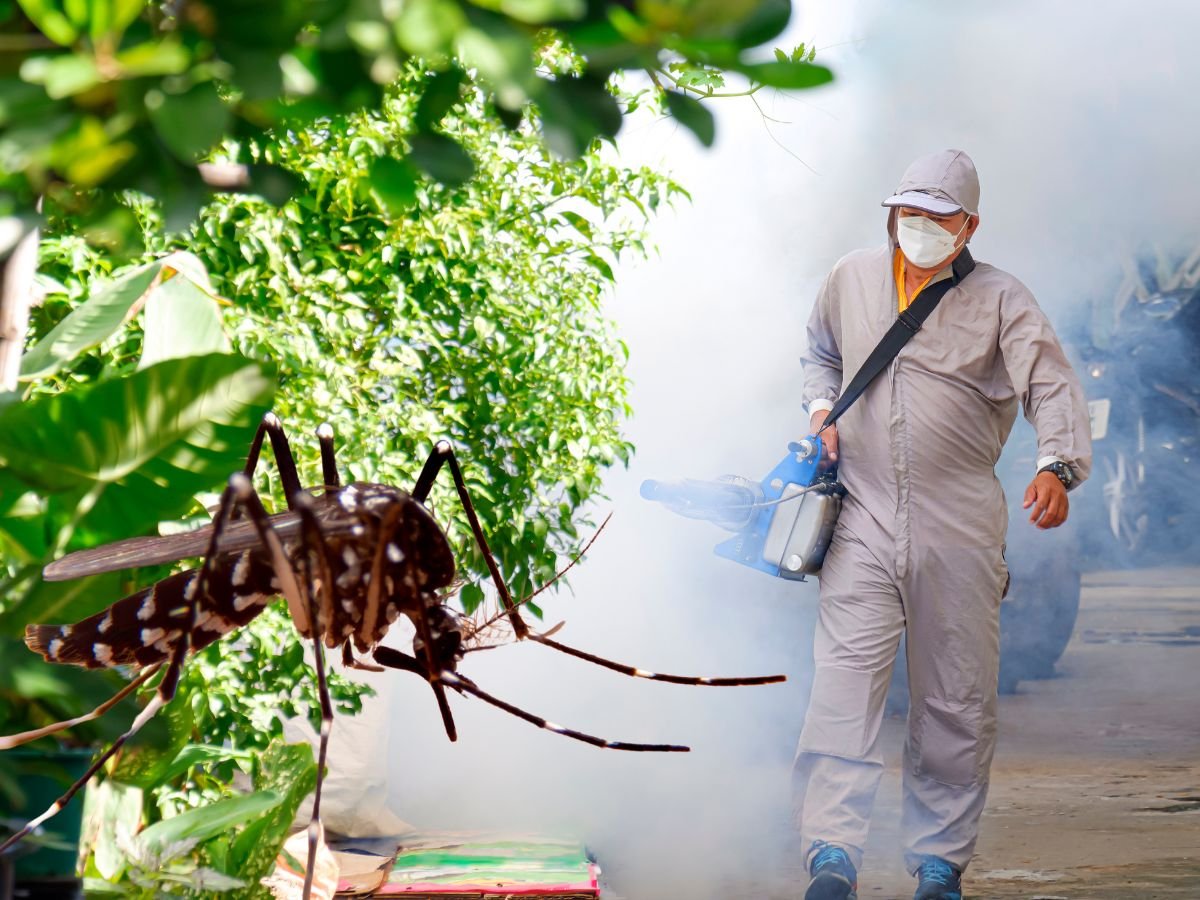
Is India fighting another pandemic? In the latest report, Pune health officials have stated that over 216 cases have been registered in the last 12 days, taking the total count in the state to 700.
From 44 in May to 157 in June and 216 till July 12, dengue cases have recorded a sharp jump in the city, taking the cumulative count to 718 since Jan this year, including 703 suspected cases.
What is Dengue: Causes and Symptoms
Dengue fever is a viral illness spread by Aedes mosquitoes. The dengue virus has four distinct serotypes – DENV-1, DENV-2, DENV-3, and DENV-4. When a person is infected by one serotype, s/he develops long-lasting immunity to that particular strain but remains susceptible to the other three serotypes.
It comes in four types and can vary from mild flu-like symptoms to severe, life-threatening Dengue hemorrhagic fever. Often, those affected experience high fever, severe headache, pain behind the eyes, joint and muscle aches, fatigue, nausea, and skin rash.
Why is Dengue Spreading Fast In Pune?
Several factors are fueling the rapid spread of Dengue in India. The monsoon season leaves behind stagnant water ideal for mosquito breeding. Urbanization, poor waste management, and insufficient sanitation worsen the problem. Moreover, climate change and increased travel are spreading Dengue to new areas.
The recent spike in Dengue cases in India highlights the need for united efforts to curb the virus’s spread. By raising awareness, practicing prevention, and prioritizing early detection and treatment, we can lessen Dengue’s impact on public health. Staying informed, taking precautions, and supporting anti-Dengue initiatives are steps we must take together for a healthier future.
Preventing Mosquito-Borne Diseases: Practical Steps to Reduce Mosquito Breeding
Mosquitoes aren’t just irritating insects that cause itchy bites; they spread serious diseases. By managing mosquito populations and cutting down on breeding areas, we can significantly reduce the prevalence of these illnesses. Effective mosquito control steps are key to protecting public health and stopping outbreaks.
Step 01: Identifying Mosquito Breeding Grounds
Mosquitoes need stagnant water to lay eggs. Common breeding spots include standing pools, flower pots, and clogged gutters. By spotting and eliminating these areas, we can break the mosquito life cycle and lower their numbers.
7 Simple Measures to Cut Down Mosquito Breeding
- Eliminate Standing Water: Check your home for stagnant water sources like birdbaths or pots, and empty or refresh the water at least weekly.
- Maintain Pools: Keep swimming pools well-maintained and chlorinated. Cover unused pools to stop mosquitoes from breeding.
- Clean Gutters: Regularly clear gutters and drains to prevent water accumulation.
- Use Mosquito Dunks: Place mosquito dunks in standing water to kill mosquito larvae safely.
- Install Screens: Ensure windows and doors have screens to keep mosquitoes out. Fix any damaged screens promptly.
- Apply Repellent: Use mosquito repellent with DEET or similar when outdoors, particularly during peak mosquito times.
- Keep Outdoors Tidy: Regularly trim plants and mow lawns to reduce areas where mosquitoes can rest.
By taking these easy steps to curb mosquito breeding, we can help prevent the spread of mosquito-borne diseases. Community efforts to manage mosquito populations and remove breeding sites are critical for public health. Together, simple actions can help create a safer, healthier environment, reducing the risks posed by mosquitoes.













Leave a comment