

Kerala is facing a serious dengue outbreak in 2024, with more than 8,000 confirmed cases reported so far. Just last week, the state reported about 774 new cases, according to the health department.
As of June 30, health officials confirmed approximately 8,004 dengue cases and 22 deaths so far. There are also around 21,045 suspected cases and 51 suspected deaths.
In June alone, during a period of heavy rain from June 1 to June 30, Kerala reported about 2,207 confirmed cases and four confirmed deaths. Additionally, there were 6,711 suspected cases and 13 suspected deaths in the same period. In 2023, according to the Union Health Ministry, Kerala reported almost 17,426 dengue cases and 153 deaths due to dengue.
Symptoms of Dengue
Dengue symptoms include:
– High fever
– Severe headache
– Pain behind the eyes
– Joint and muscle pain
– Rash
– Mild bleeding (such as nose or gum bleeds or easy bruising)
Severe dengue, also known as dengue hemorrhagic fever, can cause bleeding, blood plasma leakage, and organ impairment. The most severe form, dengue shock syndrome, can lead to shock, coma, and death. The incubation period for dengue is typically 4-10 days after being bitten by an infected mosquito.
Reasons for the Rise in Dengue Cases
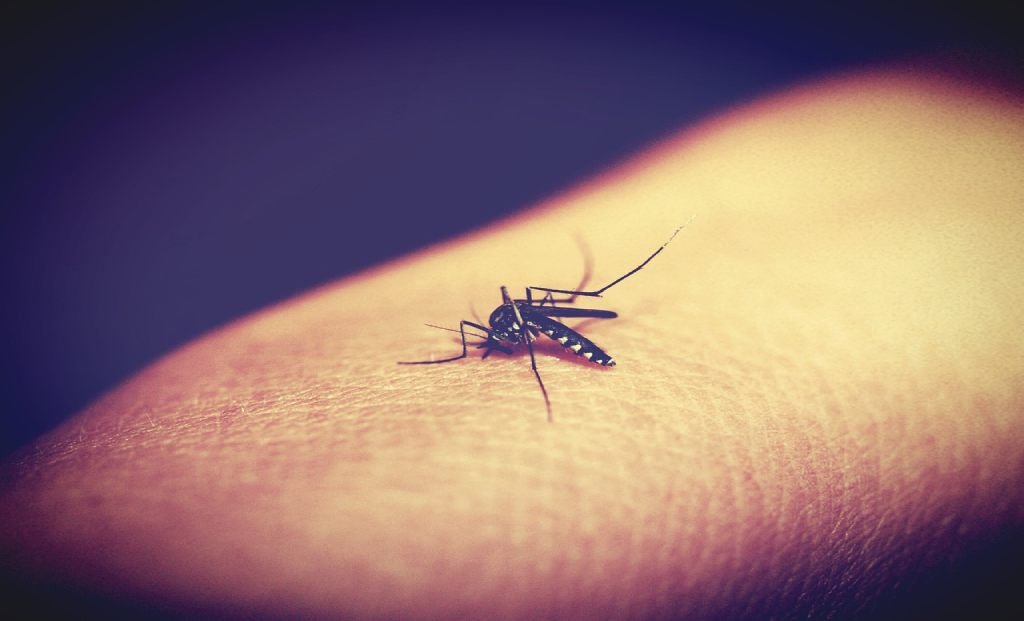
Dengue is caused by the dengue virus, transmitted to humans through the bite of infected Aedes mosquitoes, primarily Aedes aegypti and Aedes albopictus.
Monsoon and Mosquito Breeding:
High moisture content during the monsoon creates an environment for microorganisms to thrive, increasing the transmission of diseases through mosquitoes, water, air, and contaminated food.Aedes mosquitoes lay their eggs in stagnant water. Heavy rain leads to water accumulation in containers, puddles, clogged drains, and other areas, providing perfect breeding grounds for mosquitoes.
“Dengue is caused by a virus that is spread by Aedes mosquitoes which lay eggs in freshwater and have a habit of biting people aggressively during the day. As the monsoons arrived towards the end of May, the eggs that were laid in summer hatched and millions of young adult mosquitoes came out,” IMA Kerala’s public health advisory panel member, Dr. Rajeev Jayadevan said.
He added that several countries, especially in South America, have had a severe dengue season in the past couple of years, and the same trend is observed in Kerala.
Humidity and Mosquito Lifespan:
High humidity levels extend the lifespan of mosquitoes, allowing them more time to breed and spread diseases.Mosquitoes are more active and feed more frequently in these conditions, increasing the likelihood of disease transmission.
“Kerala has innumerable freshwater bodies that are a haven for mosquito breeding. In addition, urban areas with busy construction sites are prone to water-logging, which aggravates the problem,” said Dr. Jayadevan.
During monsoons, people often spend more time indoors thinking that mosquitoes can only bite them outside. However, mosquitoes can breed unnoticed in domestic containers, increasing the likelihood of bites.
Why Immunity Against Dengue is Complicated?
Dengue fever is caused by one of four dengue viruses—DENV-1, DENV-2, DENV-3, and DENV-4. The fact that there are four different strains of the dengue virus means that a person can be infected up to four times in their lifetime. Each subsequent infection weakens the immune system and increases the severity of the illness.
Multiple Infections:
Each of these viruses has a different serotype, which is a specific strain of the virus. When a person is infected with dengue, their immune system develops antibodies to the specific serotype they were infected with.
“Therefore a person who had a dengue episode with one serotype could readily get infected by another. And when that happens, the risk of severe disease increases. With no known antiviral drugs, dengue treatment remains largely supportive, and sometimes, deaths occur,” said Dr. Jayadevan.
However, these antibodies do not provide lifelong immunity to all serotypes of dengue. Instead, immunity to one serotype is usually short-lived, lasting only about 2-3 months. This means that a person can get infected with dengue multiple times, especially if they are exposed to different serotypes of the virus.
Based on the health department’s assessment, intermittent rain, use of contaminated water, and lapses in pre-monsoon cleaning are the primary causes of the spread of such infectious diseases.
Kerala has been experiencing heavy rain for the past few weeks. On Sunday, June 30, the Indian Meteorological Department (IMD) issued a yellow alert for three districts—Kannur, Kozhikode, and Kasaragod. The alert continued for Kannur and Kasaragod on July 1, with forecasts of isolated heavy rain in these districts.
The state has also seen a surge in other mosquito-borne diseases, with 21 H1N1 cases and 127 leptospirosis cases reported in the same period. Factors contributing to the rise in dengue cases include intermittent rainfall, improper waste management, and lapses in pre-monsoon cleaning efforts by local authorities.
The rise in dengue cases in Kerala is a complex issue influenced by environmental conditions, mosquito breeding habits, and public health measures. Continued efforts in mosquito control, public awareness, and timely medical intervention are crucial to managing and reducing the impact of this outbreak.
















Leave a comment