

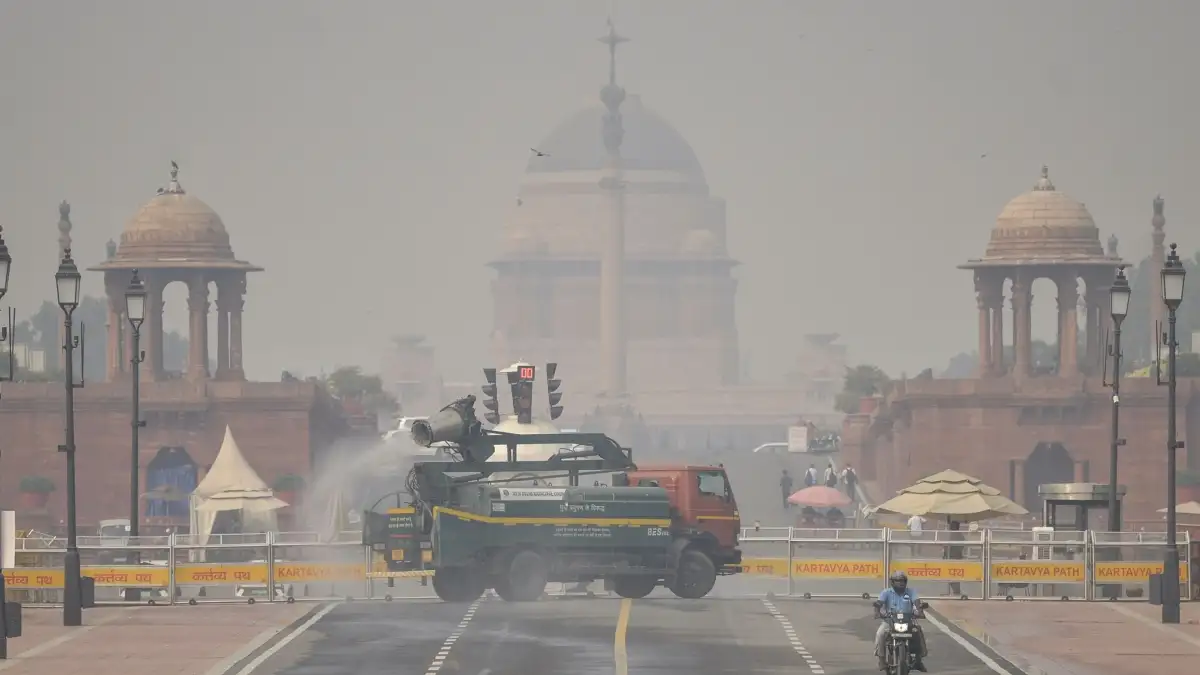
New Delhi, 22 October, 2025: Delhi, notorious for its seasonal air pollution crises, was once again plunged into an environmental nightmare as air quality levels surged to dangerously high levels. The city’s pollution levels spiked to 100 times the prescribed limits on certain days, prompting an alarming response from both the public and the authorities. The air was thick with hazardous pollutants, including fine particulate matter (PM2.5), carbon monoxide, and nitrogen dioxide, creating conditions that could prove deadly for millions of residents.
However, just as it seemed that the city’s pollution levels were on the brink of becoming catastrophic, a fortunate shift in weather conditions — wind and temperature changes — provided much-needed relief, temporarily clearing the toxic air. But the respite was short-lived, and the situation raised crucial questions about Delhi’s preparedness and the long-term sustainability of its air quality.
Pollution Crisis Hits Critical Levels
Delhi’s air quality crisis, a regular occurrence during the colder months, reached a new level of urgency when readings from the Central Pollution Control Board (CPCB) and various air quality monitoring stations showed that the Air Quality Index (AQI) in several areas crossed the “severe” category. In some regions, the AQI reached over 900, far surpassing the hazardous threshold of 300, which is already considered a health emergency.
The spike was primarily driven by a combination of vehicular emissions, industrial pollutants, crop residue burning in neighboring states, and low wind speeds that trapped the pollution over Delhi. Stubble burning — the practice of farmers in Punjab, Haryana, and Uttar Pradesh burning crop waste — contributed significantly to the toxic haze enveloping the capital. The situation was exacerbated by limited ventilation due to the city’s notorious lack of wind and cold temperatures that further trapped pollutants close to the ground.
Residents experienced severe discomfort, with many complaining of difficulty in breathing, itchy eyes, and a persistent sense of fatigue. Medical professionals reported an uptick in consultations for respiratory conditions, including asthma attacks, bronchitis, and cardiovascular stress.
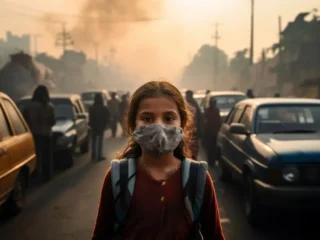
For the first time in months, hospitals witnessed emergency rooms filled with individuals suffering from breathing difficulties. Many children and elderly citizens, who are particularly vulnerable, faced the brunt of the environmental disaster. School closures, restricted outdoor activities, and advisories to wear N95 masks became commonplace as authorities scrambled to mitigate the health crisis.
The Role of Weather: Wind and Temperature Shift Bring Temporary Relief
While the pollution levels in Delhi reached a dangerous peak, the city’s savior came in the form of a weather shift — a mix of winds and a sudden drop in temperature that provided a window of temporary relief. Meteorological experts attribute the improvement in air quality to a significant change in wind patterns, which picked up speed after several days of stagnation. The winds, coming from the north-west, were strong enough to carry away the toxic air and disperse the pollutants over a wider area, preventing them from accumulating over the city. This phenomenon, which lasted for a short time, drastically improved air quality in the capital.
Additionally, the sudden drop in temperature helped by slowing the rate of air pollution formation. Cooler temperatures reduce the formation of ozone, a harmful pollutant that forms under hot and sunny conditions. The cold front allowed the trapped smog to lift, clearing the air temporarily.
By the following day, AQI levels dropped significantly from their terrifying highs, with some areas reporting a drop in pollution levels by as much as 50%. This temporary improvement in air quality gave Delhi’s residents a brief respite, but experts warn that this relief is only a short-term fix.
Why Is Delhi’s Pollution So Bad?
Delhi’s pollution problem is deeply entrenched and multifaceted. It results from an interaction of several factors, both natural and man-made. The main contributors to Delhi’s pollution crisis include:
- Stubble Burning: Every year, as the harvesting season ends, farmers in neighboring states burn their crop stubble, releasing vast quantities of smoke into the air. The toxic fumes are carried into Delhi by the prevailing winds, exacerbating pollution levels and making the air toxic to breathe. Stubble burning has long been one of the most controversial contributors to Delhi’s pollution crisis, and despite efforts to curb it, the practice remains prevalent due to its perceived economic and practical benefits for farmers.
- Vehicular Emissions: With one of the largest vehicle populations in the world, Delhi’s traffic congestion is a significant contributor to air pollution. The city’s large fleet of diesel-powered vehicles, including buses, trucks, and private cars, emits harmful pollutants into the air, including nitrogen oxides (NOx) and particulate matter. The lack of an efficient public transportation system and poor urban planning exacerbate the issue.
- Industrial Emissions: Factories, power plants, and construction sites in and around Delhi release a range of pollutants into the atmosphere. These emissions add to the already-toxic mix in the air, worsening the city’s pollution levels.
- Burning of Waste: In some parts of the city, the burning of garbage — including plastic, rubber, and other non-biodegradable materials — contributes to air pollution. This practice, while illegal, continues to be a common method of waste disposal.
- Seasonal Weather Conditions: During the colder months, low wind speeds and foggy conditions trap pollutants close to the ground, resulting in smog and extremely low visibility. The wind patterns in Delhi also change frequently, with some periods of stagnation making the pollution worse.
- Construction Dust: The construction boom in Delhi, driven by rapid urbanization, leads to the release of massive amounts of dust and particulate matter into the air. Dust from unpaved roads, construction sites, and demolition activities worsens air quality further.
The Health Impacts of Severe Pollution
When air pollution reaches hazardous levels, the health impacts are significant, affecting both short-term well-being and long-term health outcomes.
- Respiratory Issues: The toxic mix of pollutants aggravates conditions like asthma, bronchitis, and chronic obstructive pulmonary disease (COPD). PM2.5, the fine particulate matter that can enter deep into the lungs, is particularly harmful.
- Cardiovascular Problems: Long-term exposure to air pollution is a known risk factor for heart disease and stroke. The pollutants can inflame the arteries, increase blood pressure, and reduce oxygen levels in the blood.
- Premature Deaths: According to studies, exposure to air pollution can contribute to an increased risk of premature deaths due to conditions such as heart disease, lung cancer, and respiratory disorders. Delhi, which regularly experiences some of the worst air quality in the world, is home to thousands of premature deaths related to pollution.
- Mental Health: Pollution is also linked to increased stress and mental health problems, as breathing polluted air can contribute to anxiety, depression, and cognitive decline.
- Increased Mortality Among Vulnerable Groups: Children, the elderly, and those with pre-existing health conditions, such as diabetes or immune disorders, are at heightened risk of suffering from air pollution. Children’s lungs are still developing, making them particularly susceptible to long-term respiratory damage.
Government Measures and Challenges
Despite years of efforts to combat air pollution, Delhi continues to struggle with one of the worst air quality records in the world. The Delhi government has implemented several measures to reduce pollution, including:
- Odd-Even Car Scheme: The Delhi government periodically implements the odd-even scheme, where only vehicles with odd or even-numbered plates are allowed on the roads, depending on the day of the week. This aims to reduce vehicular emissions.
- Promotion of Electric Vehicles (EVs): The government has been pushing for the adoption of electric vehicles, which produce significantly fewer emissions than traditional fossil-fuel-powered vehicles.
- Clean Energy Initiatives: Efforts are underway to increase the use of clean energy in Delhi, including promoting solar energy and encouraging industries to adopt greener technologies.
- Stubble Burning Management: The central and state governments have offered financial incentives for farmers to reduce stubble burning. However, enforcement remains difficult.
- Pollution Control Technology: Measures like smog towers, which are designed to filter out pollutants from the air, and better waste management practices are being explored to address the pollution crisis.
The Path Forward: Long-Term Solutions Needed
While the weather provided temporary relief from the pollution crisis, Delhi’s air quality remains perilously close to hazardous levels. Experts argue that short-term fixes, such as weather changes or sporadic government measures, are insufficient to address the root causes of the pollution.
What is required is a comprehensive, long-term approach that focuses on cleaner energy, sustainable urban planning, effective waste management, and stricter regulation of industrial emissions. Only by addressing the city’s pollution at its source can Delhi hope to secure a future where its residents can breathe clean air year-round.
As weather patterns continue to shift and the pollution problem worsens in the face of unmitigated urbanization, the need for an effective, collective response from the government, industries, and citizens has never been clearer. Without lasting change, the city will continue to struggle with environmental and health crises that threaten the well-being of its people.
















Leave a comment