

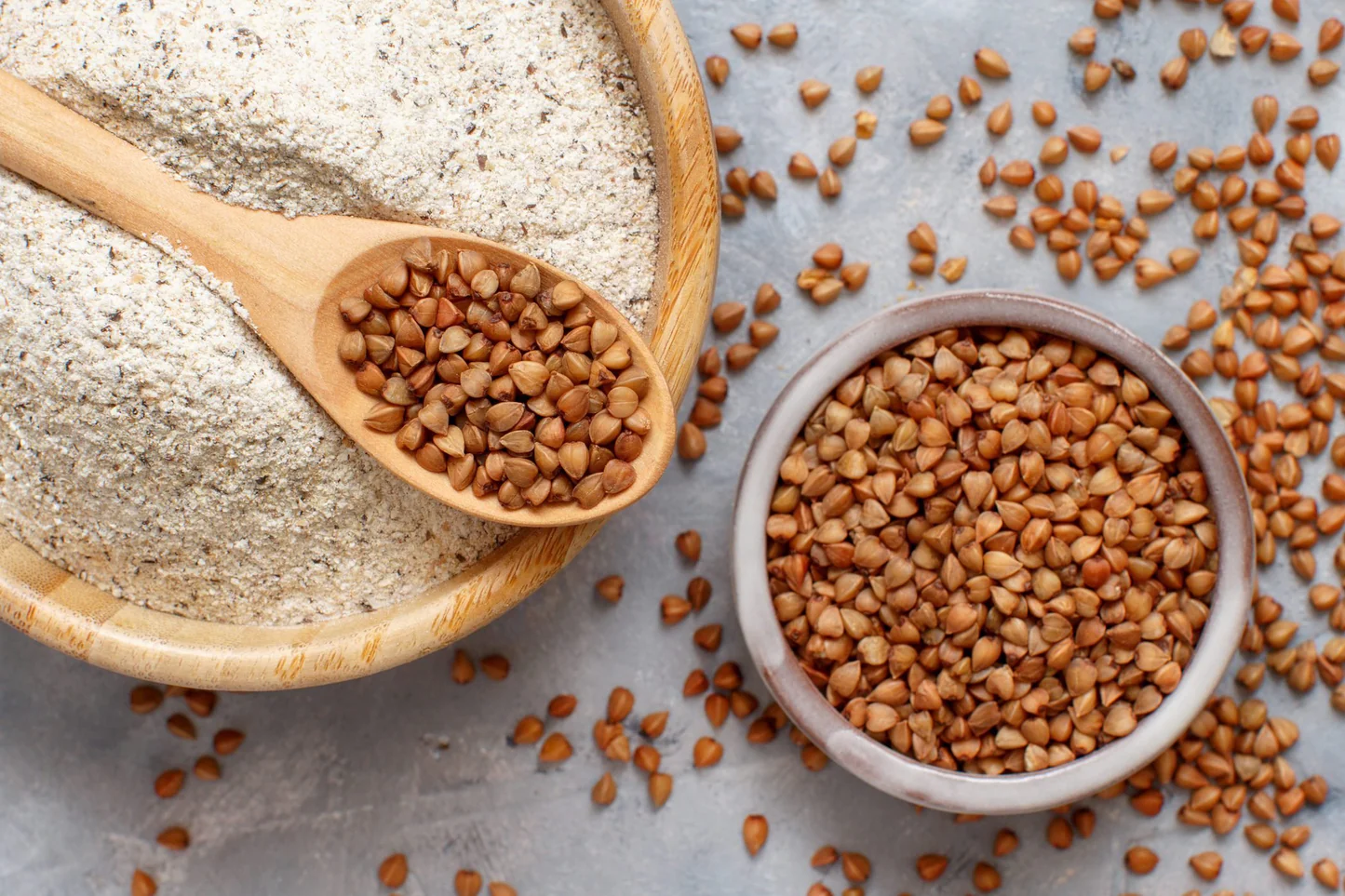
New Delhi, 23 September, 2025: What was supposed to be a sacred and joyous Navratri fast turned into a nightmare in Delhi this year as nearly 200 people reportedly fell ill after consuming contaminated kuttu atta (buckwheat flour). The affected individuals complained of vomiting, stomach cramps, dehydration, and dizziness, prompting a swift medical response. Hospitals across the city received a sudden influx of patients, many of whom were families observing the fast together.
Preliminary investigations suggest that the kuttu flour may have been adulterated or improperly stored, leading to contamination. Samples have been collected from various suppliers, and laboratories are conducting urgent testing to confirm the cause.
Why Kuttu Atta Is Popular During Navratri
Kuttu atta is one of the staple foods consumed during Navratri fasting, as devotees avoid grains and turn to gluten-free, high-energy flours. It is used to prepare rotis, pakoras, and puris, making it a widely consumed ingredient during these nine days. Its popularity and heavy demand during the festive season often put pressure on vendors, which can sometimes result in compromised quality or adulteration.
Symptoms Reported by Patients
Doctors reported that most patients had similar complaints within a few hours of eating food made with kuttu atta. Commonly observed symptoms included:
- Severe stomach pain and cramps
- Nausea and vomiting
- Loose motions leading to dehydration
- Dizziness and weakness
In severe cases, some patients required intravenous fluids to stabilize their condition. While no deaths have been reported so far, health officials remain on high alert.
Health Department on High Alert
The Delhi Health Department has activated an emergency response unit, ordering strict checks on kuttu atta stocks across wholesale markets and retail shops. Officials are inspecting storage facilities, distribution channels, and retail outlets to identify the source of contamination.
Authorities have also urged citizens to buy kuttu flour only from trusted, sealed, and branded sources rather than loose or unpackaged varieties sold in local markets.
A dedicated helpline has been set up for anyone experiencing food poisoning-like symptoms during the festive period.
Possible Causes of Contamination
Food safety experts highlight several possible reasons behind the outbreak:
- Adulteration: Low-grade flour being mixed with cheaper substitutes.
- Improper storage: High humidity or exposure to moisture leading to fungal growth.
- Pesticide residue: Improper cleaning or milling practices leaving harmful chemicals in the flour.
- Excess demand during Navratri: Bulk production and rushed packaging leading to quality lapses.
Preventive Measures for Families During Fasting
With Navratri meals largely dependent on kuttu atta, experts are advising people to adopt some precautionary steps:
- Purchase only sealed, branded kuttu atta with proper FSSAI approval.
- Avoid buying loose flour from unknown vendors.
- Check manufacturing and expiry dates on packets.
- Store flour in air-tight containers away from moisture.
- Cook thoroughly and avoid consuming semi-cooked items.
Public Reaction
The incident has sparked panic among devotees, especially since fasting foods are supposed to be pure and sattvik. Social media has been flooded with worried reactions, with many asking for clear communication from the authorities.
Some families have already switched to alternative fasting flours like singhara atta (water chestnut flour) or rajgira atta (amaranth flour) until the situation is brought under control.
The Bigger Picture: Food Safety During Festivals
This is not the first time food contamination has caused public health issues during festive seasons in India. With seasonal spikes in demand, many unscrupulous traders take advantage by selling substandard products. The kuttu atta poisoning case is a reminder of the urgent need for stricter food safety surveillance during festivals when consumption of certain items skyrockets.
Experts also emphasize consumer awareness. People need to be cautious and proactive, as contaminated food not only ruins festivities but can also lead to serious long-term health complications if not addressed.
The suspected kuttu atta poisoning in Delhi that left 200 people ill serves as a wake-up call during Navratri celebrations. While most patients are now stable, the health scare has underscored the importance of food safety, quality checks, and consumer vigilance. Authorities continue to monitor the situation, but for families observing the fast, it’s a reminder to stay alert and prioritize health alongside devotion.

















Leave a comment