

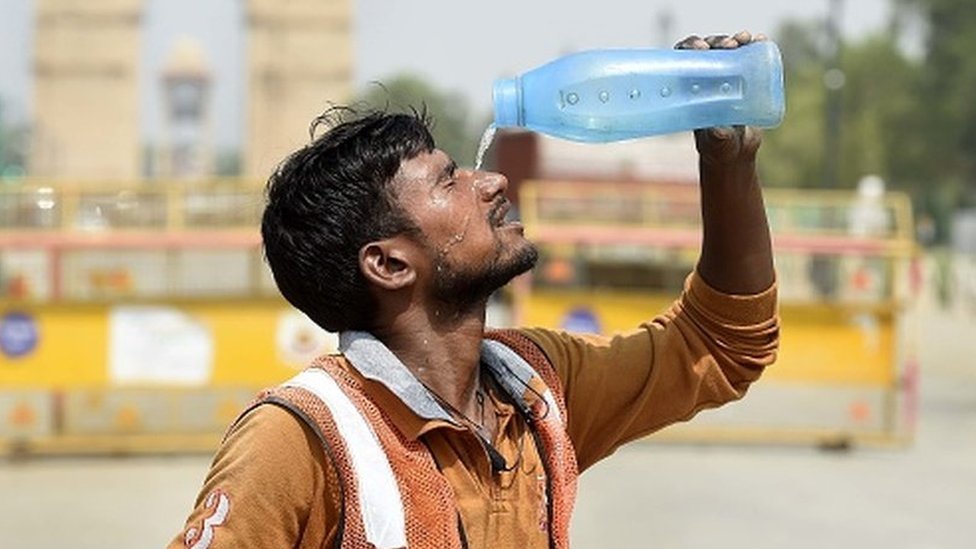
New Delhi, 12 June 2025: Delhi is in the grip of an unforgiving heatwave, with temperatures soaring to a searing 43.3°C and a “feels-like” temperature touching an alarming 51.9°C due to high humidity and heat index effects. The India Meteorological Department (IMD) has issued a Red Alert for the national capital and adjoining regions, warning residents of “severe heat-related health concerns” especially for vulnerable groups like the elderly, children, and those with chronic illnesses. As the blistering sun continues to beat down on the city, several areas across North India, including parts of Haryana, Punjab, Uttar Pradesh, and Rajasthan, are recording daytime highs well above 45°C, creating dangerous outdoor conditions for millions.
Red Alert Explained: What the IMD Warning Really Means for You
The Red Alert issued by the IMD indicates an “extreme heatwave condition” where there is a very high likelihood of heat-related illness and heatstroke for people exposed to the sun for prolonged periods. The alert is a call for administrative and public readiness, urging citizens to avoid non-essential outdoor activities between 12 PM and 4 PM, stay hydrated, and seek immediate shelter if symptoms like dizziness, excessive sweating, weakness, or confusion appear. The IMD has also advised state disaster management teams to be on standby and for health facilities to be prepared for a possible surge in patients presenting heat-related symptoms.
Heat Index at 51.9°C: Why It Feels Hotter Than It Is
Though the thermometer reads 43.3°C, the actual “feels-like” temperature—or heat index—is close to 52°C, driven by intense solar radiation and elevated humidity. This dangerous combination creates a false sense of bearability, where the body loses its ability to cool down through natural sweating, increasing the risk of dehydration, heat exhaustion, and even fatal heatstroke. Weather experts have warned that such heat index levels are rarely experienced and can have long-term impacts on public health, energy consumption, and infrastructure durability, especially roads, power lines, and water systems under peak usage stress.
North India Under Fire: States Battling Similar Heat Extremes
While Delhi’s heatwave is making headlines, neighboring North Indian states are experiencing similar extremes. Rajasthan’s Churu recorded 48.4°C, Sirsa in Haryana touched 47.9°C, and parts of Uttar Pradesh and Punjab also crossed 46°C. The scorching heat has severely impacted daily life, reducing outdoor activity, delaying public transport, and putting schoolchildren, outdoor workers, and animals at heightened risk. Water tankers have been deployed in heat-hit districts, and several state governments are urging people to work from home where possible. Farmers are also suffering crop stress as high temperatures threaten standing crops and water reservoirs.
Hospitals Report Surge in Heatstroke Cases: Who’s Most at Risk
Hospitals in Delhi and nearby NCR cities have reported a surge in patients suffering from heat exhaustion, dehydration, and early signs of heatstroke. Emergency wards are seeing more cases of dizziness, muscle cramps, fainting, and vomiting. Doctors warn that the risk is highest for those with underlying heart disease, diabetes, kidney issues, or those on medications like diuretics and beta-blockers. Children and elderly individuals, whose thermoregulation systems are weaker, are especially vulnerable. Health experts are urging people to avoid caffeine, alcohol, and strenuous physical activity and to use oral rehydration solutions if early signs of dehydration appear.
Schools, Offices, and Outdoor Workers Face Heat Fallout
The ongoing delhi heatwave has forced several schools in parts of Delhi-NCR to consider half-day sessions or early summer vacations to protect children from sun exposure. Many offices are shifting to flexible hours or advising work-from-home to reduce the need for travel during peak sun hours. Outdoor workers such as delivery agents, construction workers, and traffic personnel the worst affected, often with no choice but to continue in hazardous conditions. Labor rights organizations are demanding heat breaks, shaded rest areas, and provision of water for workers to avoid mass heat-related illnesses and fatalities.
Power and Water Demand Skyrockets
As temperatures climb, Delhi’s power demand has hit record highs, crossing 8,000 MW for the first time this season, with air conditioners and coolers running nonstop across households and businesses. Water usage is also at peak, straining supply networks already battling low reservoir levels and distribution inefficiencies. Several areas in South and West Delhi are reporting low water pressure or limited supply windows. The Delhi government has issued advisories urging citizens to conserve electricity and water, avoid wastage, and report leaks or outages immediately to ensure essential resources reach the most heat-affected zones.
What Experts Say: Climate Change Fueling Extreme Weather Events
Meteorologists and climate scientists attribute the intensity and early onset of the 2025 delhi heatwave to global climate change, urban heat island effects, and rising greenhouse gas concentrations. Delhi’s concretized landscape, declining green cover, and high vehicle emissions are aggravating heat retention in the city, especially at night, offering little relief even after sunset. Experts predict that such episodes will become more frequent and severe in the coming years unless drastic action taken to curb emissions, expand tree cover, and redesign urban infrastructure to absorb less heat and retain more moisture.
Stay Safe: Expert Tips to Survive Delhi’s Heatwave Emergency
Doctors and disaster experts have shared simple yet life-saving measures to navigate this crisis: avoid stepping out between 12 PM and 4 PM, drink at least 3–4 liters of water daily, wear light cotton clothes, use umbrellas or caps when outside, and stay indoors in ventilated rooms or use fans and coolers. Adding seasonal fruits like watermelon, cucumber, and lemon water to the diet helps replenish lost electrolytes. Most importantly, people urged to check on their neighbors, elderly relatives, and outdoor workers, and seek medical help if anyone shows signs of heatstroke.
Currently delhi heatwave is not a passing phase but a harsh warning from nature. With the capital simmering at 43.3°C and heat indices nearing 52°C, this crisis underscores the urgent need for heatwave preparedness, climate resilience, and public health vigilance. The IMD’s Red Alert should not taken lightly. As North India continues to sizzle, it’s time for authorities and citizens alike to respond with caution, awareness, and compassion.
















Leave a comment