

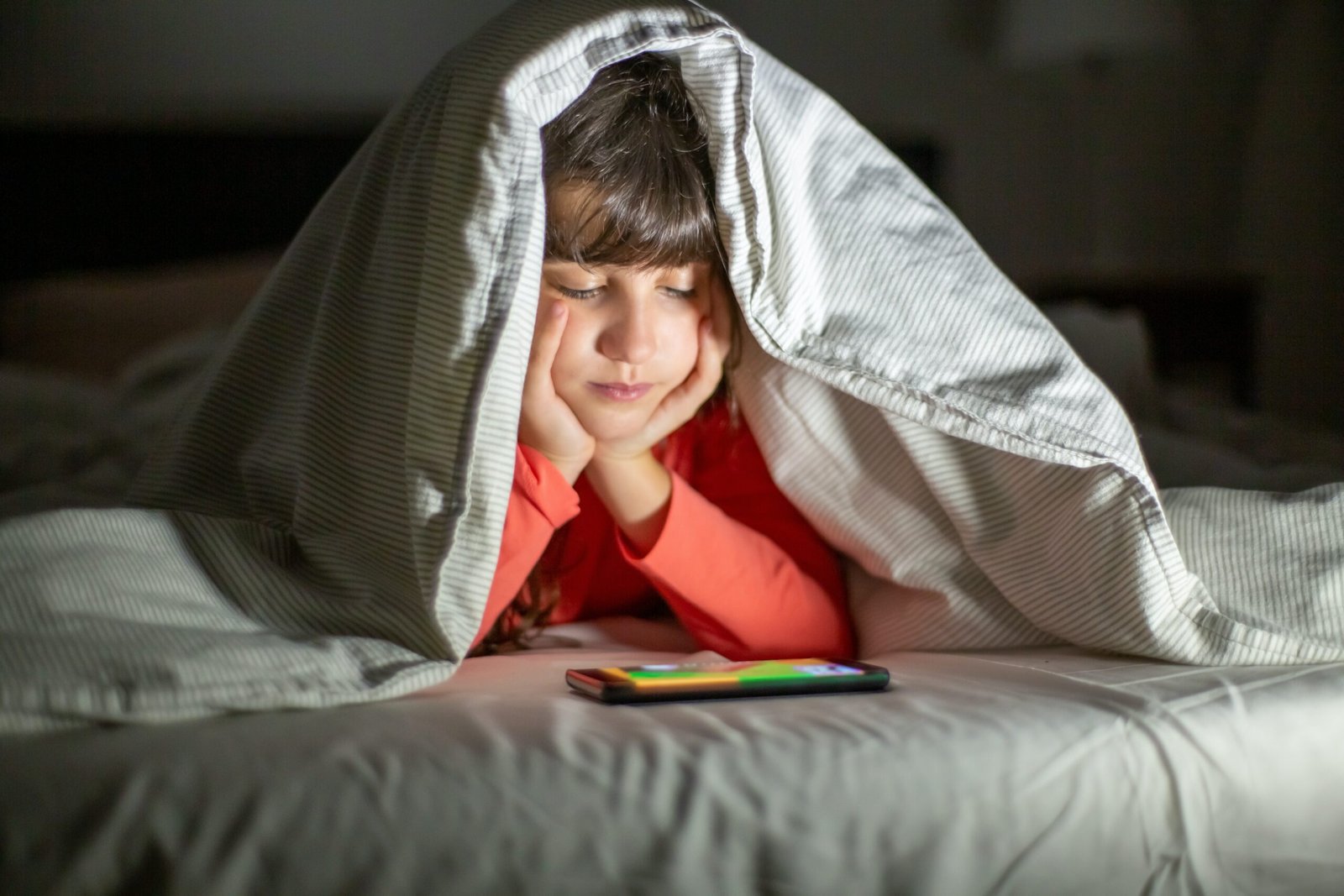
New Delhi, 31 May 2025: The COVID-19 pandemic has not only altered the way the world functions but has also deeply impacted the mental health and emotional well-being of children. With prolonged school closures, social isolation, fear of illness, and disruption of routines, young minds have faced an overwhelming psychological burden. Understanding how COVID-19 has affected children psychologically is crucial to fostering emotional healing and ensuring long-term mental wellness.
The Invisible Impact: How COVID-19 Disrupted Childhood
While the physical health effects of COVID-19 on children have generally been mild, the psychological consequences are far more significant and long-lasting. Childhood, a phase meant for growth, play, and learning, was disrupted by lockdowns, online schooling, and limited outdoor activities.
Children experienced:
- Separation from peers
- Loss of school structure
- Constant exposure to adult anxieties and pandemic-related news
- Fear of losing loved ones to the virus
These changes triggered anxiety, sadness, confusion, and even behavioral regressions in many children, especially the younger ones.
Common Psychological Effects of COVID-19 on Children
1. Anxiety and Fear
One of the most common mental health issues in children post-pandemic is anxiety. Many children developed a heightened fear of germs, falling ill, or losing family members. The constant exposure to news updates and masked environments contributed to chronic worry and insecurity.
Signs of anxiety in children may include:
- Restlessness or irritability
- Trouble sleeping
- Clinginess or separation anxiety
- Physical complaints like stomachaches or headaches
2. Depression and Mood Swings
Prolonged isolation and lack of social engagement led to sadness, loneliness, and in some cases, depression. Children who lost loved ones or whose families faced financial hardships were at even greater risk.
Symptoms of depression in children may include:
- Withdrawal from family and friends
- Loss of interest in play or activities
- Frequent crying or low energy
- Sudden changes in appetite or sleep patterns
3. Behavioral Changes and Regressions
Younger children especially showed signs of developmental regression. This included:
- Bedwetting
- Temper tantrums
- Reverting to baby talk
- Increased clinginess
These regressions were a way for children to express emotional distress they could not fully comprehend or articulate.
The Educational Toll: Learning Loss and Cognitive Stress
Switching to online classes created a major challenge, especially for children with limited digital access or learning difficulties. Many students found it hard to concentrate, engage, or stay motivated in a virtual classroom.
Consequences included:
- Learning gaps, especially in reading and math
- Reduced academic performance
- Increased screen time-related fatigue and attention issues
- Loss of social learning experiences like group work or school sports
The absence of physical school also meant reduced access to school counselors, special educators, and nutritious mid-day meals — factors critical to both mental and physical development.
Social Isolation and Its Effects on Emotional Development
Children thrive on social interaction. The pandemic robbed them of:
- Birthday parties
- Playdates
- Team sports
- In-person school events
Lack of peer interaction can hinder emotional growth and reduce opportunities for developing empathy, cooperation, and communication skills. For adolescents, social isolation contributed to feelings of being misunderstood, leading to increased screen dependency and even digital burnout.
Children in High-Risk Environments: The Added Burden
Not all children were equally affected. Those from vulnerable backgrounds — including children in abusive homes, children with special needs, and those from low-income families — experienced compounded mental health challenges.
Issues such as:
- Domestic violence
- Food insecurity
- Parental job loss
- Limited access to digital learning tools
- COVID has also led to elevated stress, trauma, and in some cases, a complete disconnect from the education system.
Supporting Children’s Mental Health: What Parents and Schools Can Do
Understanding the psychological impact of COVID-19 is only the first step. The next and most important step is building a supportive environment to help children heal and adapt.
1. Open Conversations
Encourage children to express their feelings. Let them know it’s okay to feel sad, scared, or frustrated. Validate their emotions and provide reassurance.
2. Reinstate Structure and Routine
Children feel safer when there is a predictable routine. Reintroduce regular sleep schedules, mealtimes, and study/play hours to restore a sense of normalcy.
3. Limit Pandemic News Exposure
Too much information, especially alarming headlines, can be overwhelming. Protect children by limiting their exposure to distressing news and explaining things in age-appropriate ways.
4. Promote Social Interaction
Now that restrictions are easing, safely encourage outdoor play, family visits, and small group activities to help children rebuild their social confidence.
5. Seek Professional Help When Needed
If a child shows persistent symptoms of anxiety, depression, or trauma, consider consulting a child psychologist or counselor. Early intervention is key to preventing long-term mental health issues.
Prioritizing Mental Wellness in a Post-Pandemic World
The psychological scars of the COVID-19 pandemic may not be visible, but they are real and deeply embedded in the lives of many children. As parents, educators, and caregivers, it is our responsibility to recognize these challenges and offer a nurturing, stable environment where children can recover, grow, and flourish once again.
By investing in children’s emotional well-being today, we help build a stronger, more resilient generation for tomorrow.













Leave a comment