

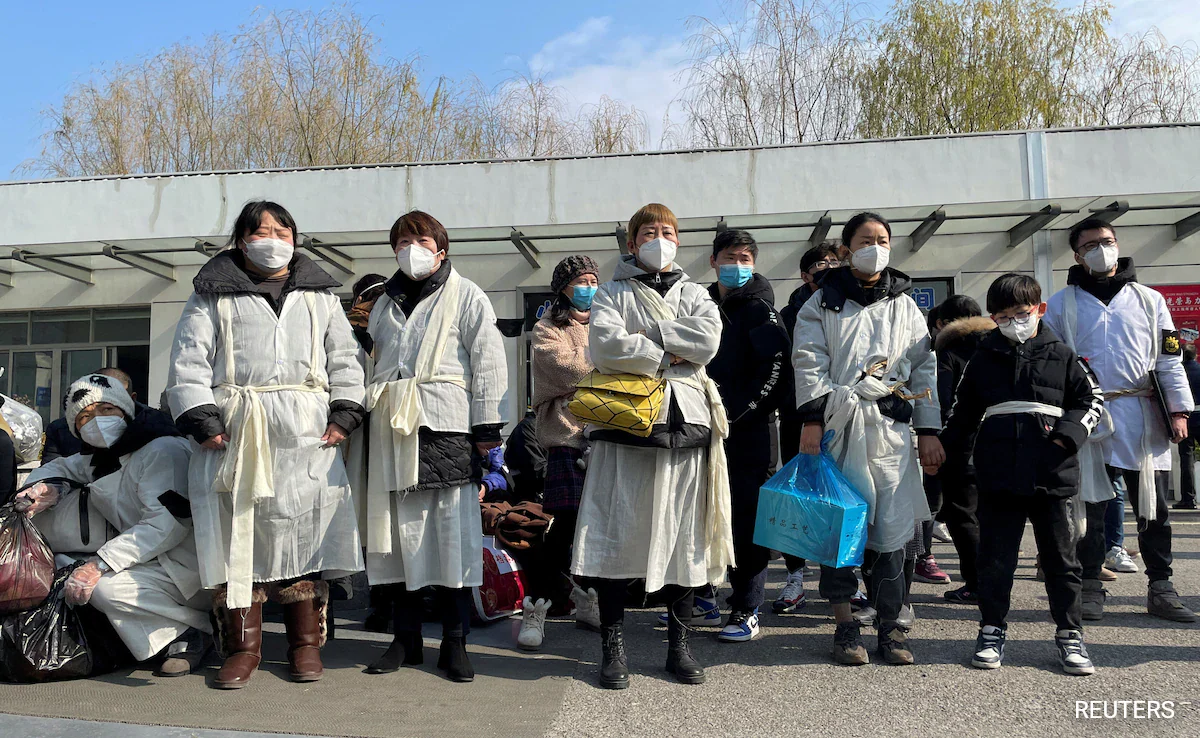
New Delhi, 13 August 2025: As global travel and climate conditions continue to evolve, so do the threats of infectious diseases. The recent chikungunya outbreak in China has sparked concern among global health officials, especially in neighboring countries like India, where mosquito-borne illnesses already place a heavy burden on public health systems.
While chikungunya is not new to Asia, its re-emergence in China in 2025 — after a long period of low activity — has alarmed epidemiologists. India, with its dense population, tropical climate, and widespread mosquito presence, is at high risk of cross-border spread. So far, Indian health authorities are monitoring the situation, but experts say preparedness is crucial.
What Is Chikungunya?
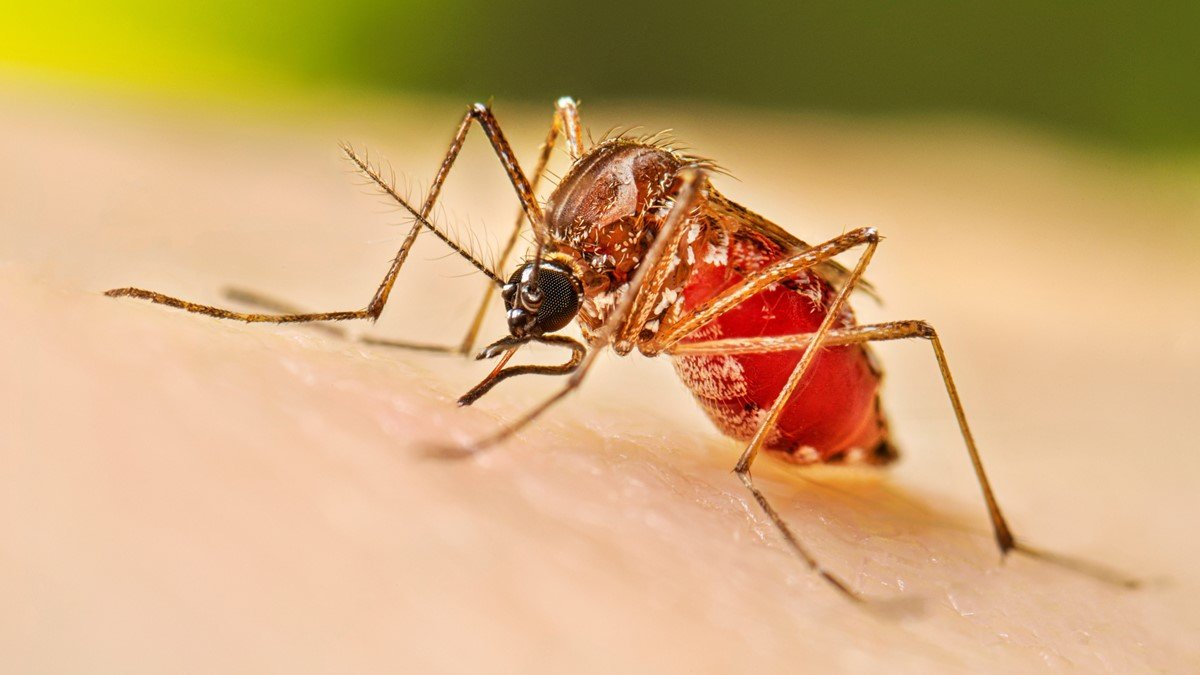
Chikungunya is a viral disease transmitted primarily by the Aedes aegypti and Aedes albopictus mosquitoes — the same vectors responsible for dengue and Zika.
Key Symptoms Include:
- Sudden high fever
- Severe joint pain (often debilitating)
- Muscle pain
- Headache
- Fatigue
- Rash
Although chikungunya rarely results in death, the pain and joint stiffness can persist for weeks, and in some cases, months, impacting quality of life and productivity.
The Virus Behind the Outbreak
Chikungunya is caused by the chikungunya virus (CHIKV), first identified in Tanzania in 1952. It is now endemic in several parts of Africa and Asia, including India. While outbreaks tend to be cyclical, they are often unpredictable and can spread quickly through international travel and favorable climatic conditions for mosquitoes.
In the latest outbreak in China, authorities have confirmed multiple clusters of locally transmitted cases, mostly concentrated in southern provinces. These areas share similar weather patterns with many Indian regions — hot, humid, and conducive to mosquito breeding.
Why India Should Be Concerned
1. Geographic Proximity
China and India share a long border and have significant travel and trade routes. Cross-border movement, including business travelers, students, and tourists, can act as vectors for the virus, bringing infected mosquitoes or carriers into Indian territory.
2. Monsoon Season in India
The outbreak in China comes at a time when India is experiencing its monsoon season, a period when stagnant water accumulates and creates ideal breeding grounds for mosquitoes. This increases the risk of local transmission if the virus enters the country.
3. Past Outbreaks in India
India has a history of chikungunya outbreaks, with major flare-ups reported in 2006, 2016, and sporadically since then. This shows the virus is already present in many states and could resurge with a new imported strain or increased mosquito activity.
4. Urban Vulnerability
Indian cities are particularly vulnerable due to:
- Poor drainage systems
- Unchecked urban growth
- High human density
- Inadequate mosquito control
These conditions make it easier for vector-borne diseases like chikungunya to spread rapidly in urban slums and peri-urban areas.
What We Can Learn from China’s Response
China’s response to the outbreak has included:
- Vector surveillance
- Public health advisories
- Community awareness campaigns
- Fogging and insecticide spraying
However, experts say that early detection and timely action are essential. The virus’s rapid transmission in southern China indicates a potential lapse in mosquito control programs or travel monitoring, both of which must be strengthened in India.
Is India Prepared?
India’s public health system has experience handling mosquito-borne diseases like malaria, dengue, and chikungunya, but systemic challenges remain:
Major Gaps:
- Under-reporting of cases
- Lack of routine testing in rural areas
- Delays in diagnosis and treatment
- Public apathy towards prevention campaigns
The key is not just reacting to outbreaks, but staying ahead with preventive strategies.
Steps India Must Take Now
1. Strengthen Mosquito Control
- Drain stagnant water
- Regular fogging in vulnerable zones
- Distribute mosquito nets and repellents
- Community sanitation drives
2. Improve Surveillance
- Active screening at airports and railway stations
- Increase testing facilities in tier 2 and 3 cities
- Encourage real-time data reporting from private clinics and hospitals
3. Public Awareness Campaigns
- Use media and social platforms to spread information
- Educate people on identifying symptoms early
- Encourage use of mosquito repellents and nets
4. Cross-Border Coordination
- Collaborate with WHO and neighboring countries
- Track infected travelers through contact tracing
- Share data and research on the virus and its spread
Is There a Vaccine for Chikungunya?
As of 2025, there is no widely approved vaccine for chikungunya, though several candidates are in clinical trials. The best defense remains prevention, through avoiding mosquito bites and reducing breeding grounds.
Expert Warning: Don’t Ignore Joint Pain and Fever
Health experts warn that early symptoms of chikungunya can be confused with dengue or viral fever, leading to delayed diagnosis. If you experience:
- Sudden high fever
- Intense joint or muscle pain
- Rash
You should seek medical attention immediately and avoid self-medication.
Can Chikungunya Turn Into Another COVID?
China’s chikungunya outbreak is a reminder that infectious diseases know no borders. In a world interconnected by trade and travel, an outbreak in one country can quickly become a crisis in another.
For India, this is not a time for complacency. It’s a call to action — to upgrade public health infrastructure, empower communities, and take proactive measures to prevent another vector-borne crisis.
With monsoon rains here and mosquito activity peaking, the stakes are high. If India acts now — with vigilance, preparedness, and public cooperation — it can prevent a widespread outbreak and protect millions from avoidable suffering.














Leave a comment