

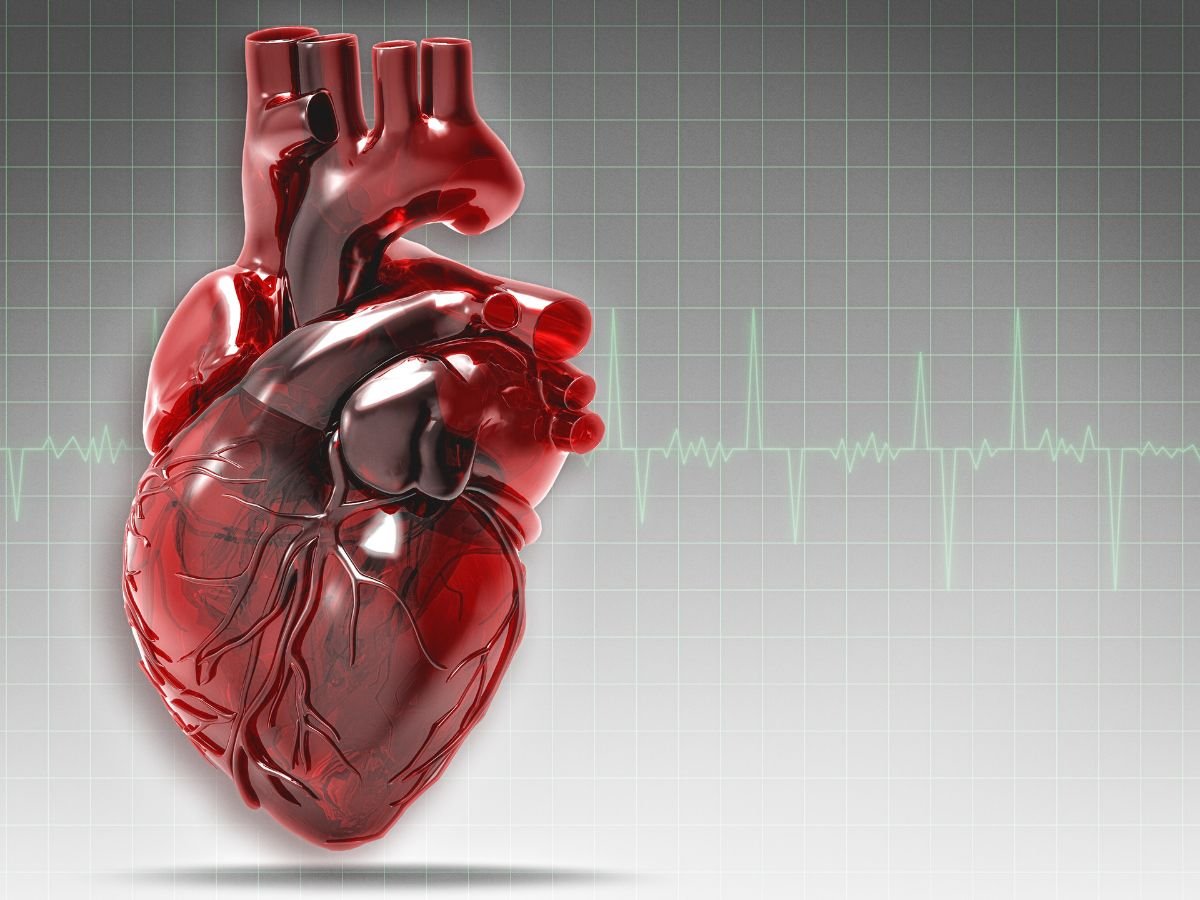
New Delhi, 25 August 2025: Heart disease remains the leading cause of death worldwide. Despite advances in modern medicine, many people still discover their heart problems too late—after a major event like a heart attack or stroke. Early detection is the key to prevention, and it often starts with the right medical tests. Cardiologists stress the importance of routine heart screenings, especially for people with risk factors like high blood pressure, diabetes, obesity, smoking, or a family history of heart disease.
Here are 10 essential medical tests recommended by cardiologists to detect early signs of heart disease and assess your risk levels – long before symptoms appear.
1. Electrocardiogram (ECG or EKG)
An ECG is a quick, painless test that records the electrical activity of your heart using electrodes placed on your chest, arms, and legs.
Why it’s important: It can detect irregular heartbeats (arrhythmias), heart attacks (past or current), and other abnormalities in heart rhythm. It’s often the first test done if you have chest pain, palpitations, or shortness of breath.
When to get it: Adults over 40, or anyone with symptoms or a family history of heart problems, should have a baseline ECG.
2. Echocardiogram
Also called a heart ultrasound, this test uses sound waves to create images of your heart’s structure and function.
Why it’s important: An echocardiogram reveals how well your heart pumps blood and can identify valve problems, heart muscle damage, fluid around the heart, or congenital defects.
When to get it: If you have experienced symptoms like shortness of breath, fatigue, or swollen ankles—or if you have high blood pressure or a known heart murmur—this test is often recommended.
3. Stress Test (Exercise Treadmill Test)
This test evaluates how your heart performs under physical stress, usually while walking or running on a treadmill. Your ECG, heart rate, and blood pressure are monitored throughout.
Why it’s important: It helps detect blocked arteries or ischemia (reduced blood flow to the heart), which might not show up when the body is at rest.
When to get it: Recommended for people with risk factors or chest discomfort, especially if they are middle-aged or older and starting a new exercise routine.
4. Cardiac CT Scan (Calcium Score Test)
A non-invasive CT scan of the heart that measures the amount of calcium in your coronary arteries.
Why it’s important: Calcium build-up is a sign of atherosclerosis (hardening of the arteries), which can lead to heart attacks. The score helps determine your risk level and guides treatment decisions.
When to get it: Ideal for people aged 40-70 with intermediate risk factors but no symptoms. It’s not typically used for those with very high or very low risk.
5. Lipid Profile (Cholesterol Test)
A simple blood test that measures levels of total cholesterol, LDL (bad cholesterol), HDL (good cholesterol), and triglycerides.
Why it’s important: High cholesterol, especially LDL, is a major risk factor for heart disease. Low HDL and high triglycerides also increase your risk.
When to get it: Starting at age 20, everyone should get a lipid profile every 4-6 years, more often if risk factors are present.
6. Blood Pressure Monitoring
Measurement of the force of blood against your artery walls, either with a manual or digital cuff.
Why it’s important: High blood pressure (hypertension) damages the arteries and heart over time, increasing the risk of heart attack, stroke, and heart failure.
When to get it: At least once a year for healthy adults, and more frequently if you’ve been diagnosed with high blood pressure or have other health concerns.
7. High-Sensitivity C-Reactive Protein (hs-CRP) Test
A blood test that measures levels of CRP, a marker of inflammation in the body.
Why it’s important: Elevated CRP levels are linked to inflammation in the arteries, which can be an early warning sign of heart disease, even in people with normal cholesterol levels.
When to get it: For individuals with moderate risk factors or family history of early heart disease, this test may help identify hidden risks.
8. Fasting Blood Sugar and HbA1c (Diabetes Screening)
Fasting blood sugar checks your glucose levels after not eating for 8 hours. HbA1c reflects your average blood sugar over the past 2-3 months.
Why it’s important: Diabetes and prediabetes significantly increase your risk for heart disease. Many people are unaware they have it until complications arise.
When to get it: Adults over 45 or those who are overweight with additional risk factors should be tested regularly.
9. Carotid Ultrasound
A non-invasive ultrasound test that looks at the carotid arteries in your neck, which supply blood to the brain.
Why it’s important: This test checks for plaque buildup that could lead to strokes and often reflects the state of the coronary arteries as well.
When to get it: Recommended for people with high blood pressure, diabetes, or known atherosclerosis elsewhere in the body.
10. NT-proBNP Test (Heart Failure Marker)
A blood test that measures levels of a protein released by the heart when it’s under stress or failing.
Why it’s important: It helps diagnose or rule out heart failure, especially in people with symptoms like breathlessness, fatigue, or fluid retention.
When to get it: This test is useful for those with a history of heart problems, abnormal echocardiograms, or unexplained symptoms.
Why Early Testing Matters
Many people believe they’ll know when something is wrong with their heart—but the truth is, heart disease is often a silent killer. Symptoms like fatigue, chest discomfort, or shortness of breath may be subtle or mistaken for other conditions. By the time symptoms become severe, the damage may already be significant.
These medical tests provide valuable insights into how well your heart is functioning and whether you’re at risk for future problems. In many cases, early detection means early treatment—which can prevent serious complications or even save your life.
Who Should Get Tested?
Even if you feel perfectly healthy, you should consider heart health screenings if:
- You are over 40
- You smoke or have a history of smoking
- You have high blood pressure or cholesterol
- You have diabetes or prediabetes
- You are overweight or obese
- You have a family history of heart disease
- You experience symptoms like fatigue, palpitations, chest pain, or breathlessness
Heart disease doesn’t happen overnight—it develops silently over years. The good news is that it’s preventable in most cases. With the help of the 10 medical tests recommended by cardiologists, you can assess your heart health early, take the right steps toward lifestyle changes, and, if necessary, begin timely treatment.
Speak to your healthcare provider about your personal risk factors and schedule the appropriate tests. Your heart is in your hands – take care of it.












Leave a comment