

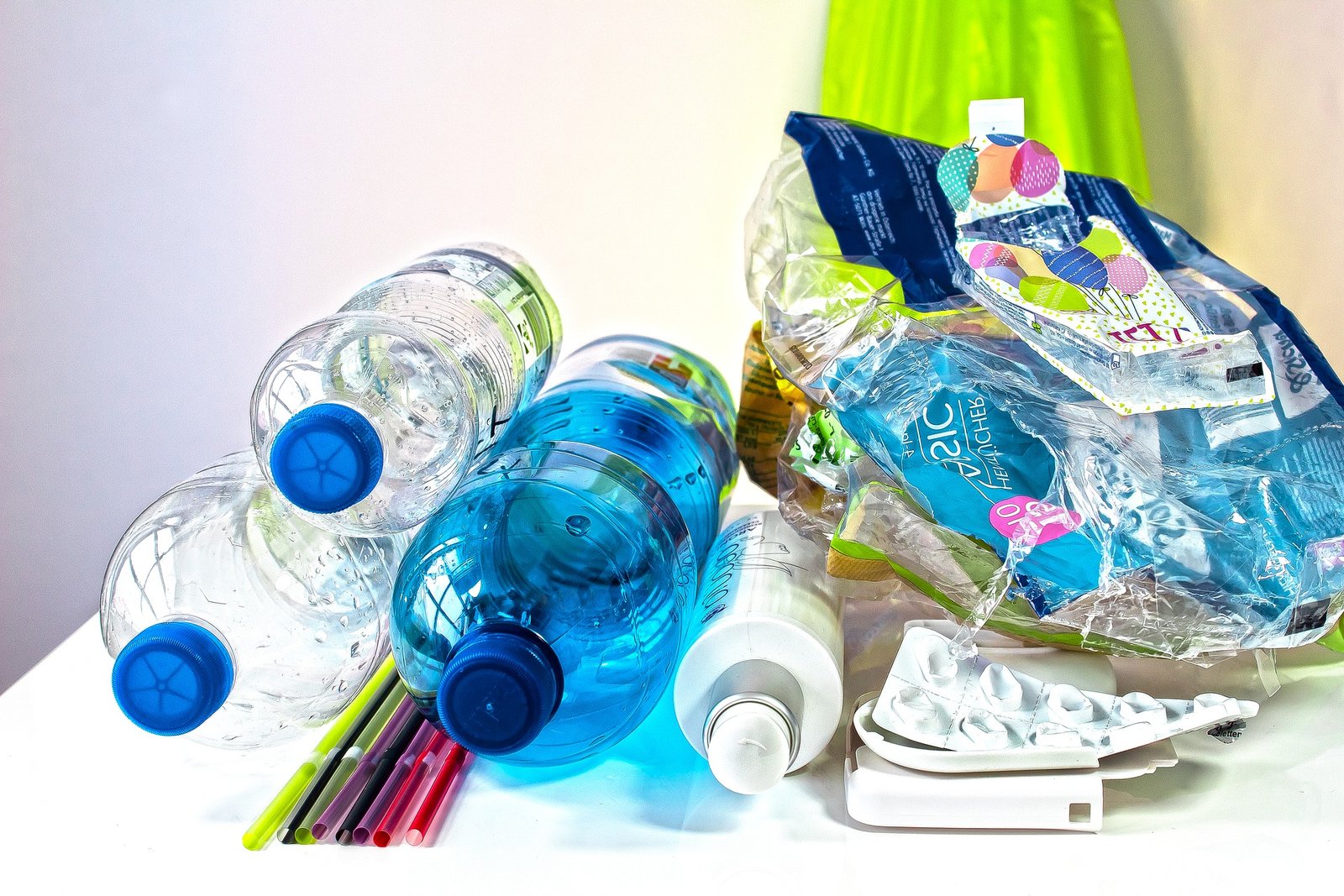
Plastic bottles are everywhere in our modern world, making it easy to stay hydrated on the go. Yet, recent studies have sparked concern about the potential health risks of drinking from these bottles. One question is whether using plastic bottles can raise blood pressure. This article explores the possible connection.
Understanding the Issue
Most plastic bottles are made from polyethylene terephthalate (PET) and may contain chemicals like phthalates and bisphenol A (BPA). These chemicals have been linked to health issues, including high blood pressure. When exposed to heat or UV rays, these chemicals can leach into the beverages stored in the bottles.
The Impact on Health
Research has shown that chemicals like phthalates and BPA, often found in plastic bottles, can disrupt the endocrine system and may increase blood pressure. These chemicals interfere with the body’s hormone balance, adversely affecting cardiovascular health.
Research Findings
Animal studies have indicated a link between BPA exposure and elevated blood pressure. Though more research is needed to confirm this in humans, initial findings suggest a potential risk from drinking beverages stored in plastic bottles, particularly when they’ve been exposed to heat or sunlight.
Mitigating the Risk
To reduce health risks, people can take certain steps, such as choosing BPA-free bottles or alternatives like stainless steel and glass. Avoiding leaving plastic bottles in hot conditions can also help prevent chemical leaching.
While more research is needed to determine the direct impact of drinking from plastic bottles on blood pressure, current evidence suggests a possible link. As concerns about plastic’s health risks grow, it’s wise to choose safer drinking containers to protect your well-being. Making informed choices about the materials used for your drinkware can reduce risks and support better cardiovascular health over time.
















Leave a comment