

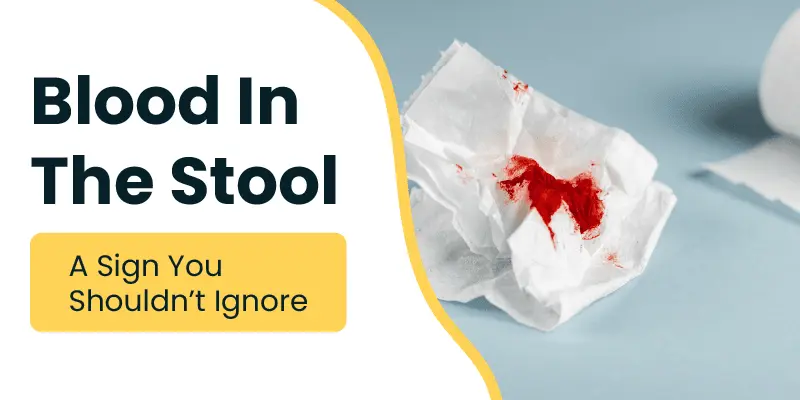
New Delhi, 23 October 2025: Noticing blood in your stool can be alarming. Whether it’s bright red on toilet paper or dark and mixed into your bowel movement, any sign of rectal bleeding should never be ignored. While it can result from something as minor as a small tear, it can also indicate a more serious underlying condition.
This comprehensive guide explains what rectal bleeding is, its common causes, warning signs to look out for, and when it’s time to see a doctor. Understanding these signs can help you take early action and protect your digestive health.
What Is Rectal Bleeding?
Rectal bleeding refers to the presence of blood that exits the body through the anus. This blood can appear in various forms:
- Bright red blood on toilet paper or in the toilet bowl
- Dark red or maroon-colored blood mixed with stool
- Black, tarry stools (melena) indicating digested blood from higher up in the digestive tract
The color and quantity of blood can help indicate where the bleeding is coming from and whether it’s something mild or potentially dangerous.
Is Blood in Stool Always Serious?
Not always. Sometimes rectal bleeding is due to benign (non-serious) conditions like hemorrhoids or anal fissures, especially if you’re straining during bowel movements. However, persistent or heavy bleeding could be a sign of gastrointestinal disease, polyps, or even colon cancer.
That’s why it’s important to monitor not only the blood itself but also associated symptoms and frequency of the bleeding.
Common Causes of Rectal Bleeding
Here are some of the most common reasons people experience blood in their stool:
1. Hemorrhoids
Swollen veins in the lower rectum or anus, often caused by straining, pregnancy, or prolonged sitting. Symptoms include:
- Itching
- Discomfort
- Bright red blood on toilet paper
2. Anal Fissures
Small tears in the skin around the anus, often due to passing hard or large stools. Symptoms:
- Sharp pain during bowel movements
- Bright red streaks of blood
3. Diverticulosis
Small pouches in the colon wall (diverticula) that can bleed or become inflamed. Bleeding is usually painless but can be heavy.
4. Colorectal Polyps
These are growths on the lining of the colon or rectum. Some are harmless, but others can develop into colon cancer. Polyps often bleed without pain.
5. Inflammatory Bowel Disease (IBD)
Conditions like Crohn’s disease and ulcerative colitis cause chronic inflammation in the digestive tract. Symptoms include:
- Bloody diarrhea
- Cramping
- Fatigue
- Weight loss
6. Colorectal Cancer
One of the more serious causes. Early stages may be asymptomatic, but later symptoms include:
- Blood in stool
- Changes in bowel habits
- Unexplained weight loss
- Abdominal pain
7. Gastrointestinal Infections
Infections caused by bacteria (like salmonella or E. coli), viruses, or parasites can cause:
- Bloody diarrhea
- Fever
- Nausea
8. Peptic Ulcers
Ulcers in the stomach or duodenum can bleed and cause black, tarry stools due to digested blood.
Warning Signs You Shouldn’t Ignore
If you experience any of the following, seek medical attention immediately:
- Rectal bleeding that persists or recurs frequently
- Blood mixed with mucus or pus
- Severe abdominal pain or cramping
- Unexplained weight loss
- Fever or fatigue
- Changes in stool color or shape
- Iron-deficiency anemia symptoms (weakness, pale skin, dizziness)
Even if the bleeding is minor, recurring symptoms should always be evaluated by a doctor.
How Is Rectal Bleeding Diagnosed?
Your healthcare provider may perform a variety of tests to determine the source of bleeding:
- Physical exam, including a rectal exam
- Stool sample to check for infection or hidden blood
- Blood tests to check for anemia or inflammation
- Colonoscopy – a camera test of your colon
- Flexible sigmoidoscopy – to examine the lower colon
- CT scan or MRI if internal imaging is needed
Home Care Tips for Minor Rectal Bleeding
If your doctor confirms a non-serious cause like hemorrhoids or a fissure, you can manage symptoms at home:
Drink More Water
Staying hydrated helps soften stools and reduce straining.
Eat High-Fiber Foods
Fiber helps regulate digestion and prevent constipation. Try:
- Fruits like apples, bananas, and berries
- Leafy greens and vegetables
- Whole grains like oats and brown rice
Use Over-the-Counter Creams
For hemorrhoids, use soothing ointments or sitz baths to relieve discomfort.
Avoid Straining on the Toilet
Take your time and avoid forcing bowel movements. A squat position may help.
Don’t Delay Bowel Movements
Holding in stool can worsen constipation and cause more bleeding.
Medical Treatments for Rectal Bleeding
If home care isn’t enough or a more serious condition is found, treatment options may include:
- Medications: Anti-inflammatory drugs, antibiotics, or immunosuppressants (for IBD)
- Endoscopic procedures: To stop bleeding or remove polyps
- Surgery: For severe cases like diverticulitis or colorectal cancer
- Iron supplements: If blood loss has caused anemia
When to See a Doctor Immediately
You should never ignore any rectal bleeding that is:
- Heavy or ongoing
- Accompanied by dizziness or fainting
- Dark or tar-like (suggests internal bleeding)
- Associated with significant pain
- Paired with a family history of colon cancer
Early diagnosis can be lifesaving, especially for conditions like colorectal cancer or inflammatory bowel disease.
Prevention Tips for Rectal Bleeding
Here’s how you can reduce your risk of experiencing rectal bleeding:
- Eat a balanced, high-fiber diet
- Drink at least 8–10 glasses of water daily
- Avoid sitting for long periods, especially on the toilet
- Maintain regular physical activity
- Manage stress to support digestive health
- Get routine screenings like colonoscopies after age 45
Blood in stool or rectal bleeding is not something to brush off. While many causes are harmless and treatable, persistent or heavy bleeding can be a sign of a serious medical issue. Understanding the symptoms, causes, and when to get help is crucial for early diagnosis and effective treatment.
If you or someone you know is dealing with rectal bleeding, don’t wait for it to go away on its own. Talk to your healthcare provider and take proactive steps toward better digestive health.
















Leave a comment