
Home Latest News Antibiotic Resistance Crisis Behind 33% of Sepsis Deaths in India
Latest News

Antibiotic Resistance Crisis Behind 33% of Sepsis Deaths in India

Share
ICM, Antibiotics
ICMR
Share

The overuse and misuse of antibiotics in India are causing serious health problems. According to a recent study published in The Lancet, bacterial infections were responsible for 60% of the 2.99 million sepsis-related deaths in India in 2019. Of these, around 1.04 million deaths (33.4%) were linked to bacterial antimicrobial resistance (AMR), with 290,000 deaths directly caused by it. Sepsis is a severe response of the immune system to bacterial infections, leading to organ failure if not treated in time.

What Is Antimicrobial Resistance (AMR)?

AMR occurs when bacteria develop resistance to the drugs designed to kill them, making infections harder to treat. It is a growing global health issue that is expected to worsen in the future. The Lancet predicts that more than 39 million people worldwide could die from antibiotic-resistant infections over the next 25 years.

The study, conducted by the Global Research on Antimicrobial Resistance (GRAM) Project, offers a detailed analysis of AMR trends.

India’s AMR Problem: Top Resistant Bacteria

In India, the most common antibiotic-resistant bacteria include:

E. coli, which causes stomach infections.

Klebsiella pneumoniae, known for causing pneumonia and urinary tract infections.

– Acinetobacter baumannii, often linked to hospital-acquired infections.

These drug-resistant pathogens make treating infections increasingly difficult, leading to higher death rates.

Sepsis and AMR in Children

The study also revealed that children under five are particularly vulnerable. In 2019, 500,000 children died from sepsis, and bacterial infections caused 325,000 of these deaths. The deadliest bacteria for this age group is Streptococcus pneumoniae.

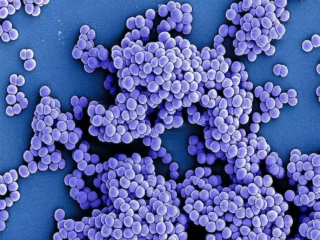
Globally, deaths from methicillin-resistant Staphylococcus aureus (MRSA) increased sharply, from 57,200 in 1990 to 130,000 in 2021. Resistance among gram-negative bacteria, like carbapenem-resistant bacteria, also saw a notable rise.

Share

Leave a comment

Leave a Reply

Your email address will not be published. Required fields are marked *

Don't Miss

Obstetrics & Gynecology

DHA in Pregnancy: 5 Important Reasons Every Pregnant Woman Should Monitor Her Levels

The journey of pregnancy is a remarkable and transformative period characterised by the significance placed on the health and well-being of both the...

Obstetrics & Gynecology

Are Period Tracking Apps Safe? Benefits, Privacy Concerns, and Better Options Explained

Period tracking apps have quietly become one of the most downloaded health apps globally. With a few taps a day, women can track...

Press Release

Laser to the Rescue of an Impacted Denture in the Food Pipe

New Delhi : In a remarkable medical achievement, doctors at Sir Ganga Ram Hospital successfully removed an impacted dental plate that had accidentally...

Let’s Talk Health

World Health Day 2026: Early Warning Signs of Piles, Hernia, Diabetic Foot & Varicose Veins You Should Never Ignore

Lots of people ignore the symptoms of common health problems like piles, hernia, foot wounds, and vein problems. Some people have bleeding from...

Lifestyle & Wellness

Struggling with Hair Fall? Try These 7 Ayurvedic Castor Oil Remedies for Faster Growth

Castor oil for hair growth: In Ayurveda haircare is not just about appearance but it is about nourishing the scalp, balancing the body...

Section title

Related Articles
Latest News

Asha Bhosle Cause of Death: How Multiple Organ Failure Can Lead to Cardiac Arrest in the Elderly

Asha Bhosle cause of death: Iconic singer Asha Bhosle passed away at...

Latest News

High blood sugar in pregnancy: How it affects mother and baby and expert tips to manage it safely

Pregnancy is one of the most transformative phases in a woman’s life....

Latest News

Can diabetes and hypertension quietly damage your kidneys? Expert reveals hidden link

Diabetes and hypertension are two of the most common non-communicable diseases in...