


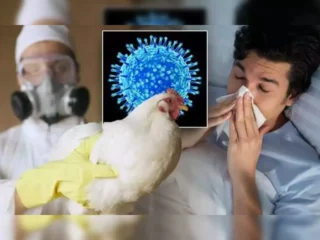
New Delhi, 30 April 2025: The United States (US) is currently grappling with the worst H5N1 avian influenza virus, commonly known as bird flu outbreak. As per data, the virus has been detected in all 50 states. Since March 2024, the outbreak has impacted over 1,000 dairy herds nationwide, leading to more than 70 confirmed human infections and at least one fatality.
Taking cognizance of the deteriorating situation, the Global Virus Network (GVN) has warned that that the virus’s continued presence in mammals increases the risk of mutations that could enable human-to-human transmission. They emphasize the urgency of enhanced surveillance, standardized testing, and vaccination strategies for both animals and farmworkers.
“Understanding the current landscape of H5N1 infections is critical for effective prevention and response,” said Sten H Vermund, MD, PhD, chief medical officer of the GVN and dean of the USF Health College of Public Health at the University of South Florida, USA. “The virus’ ability to infect both animals and humans, combined with recent genetic changes, underscores the importance of proactive surveillance and rapid response measures.”
In response to the outbreak, the U.S. Department of Agriculture (USDA) initiated a nationwide milk testing program to monitor avian flu risks in the dairy supply. However, this effort has been hindered by significant staff reductions within the Department of Health and Human Services (HHS), leading to the suspension of the milk quality testing program. Despite these challenges, federal and state laboratories continue to monitor food samples, and pasteurization remains a proven method to kill pathogens, including H5N1, offering some reassurance about the safety of processed dairy products.
Bird Flu Human Infections and Transmission Concerns
As of April 24, 2025, the Centers for Disease Control and Prevention (CDC) has reported 70 confirmed human cases of H5N1 in the United States. These cases primarily involve individuals with direct exposure to infected animals, such as dairy and poultry workers. While there is currently no evidence of sustained human-to-human transmission, health experts warn that the virus’s ability to infect multiple species increases the risk of genetic mutations that could facilitate such transmission.
Citing the virus’s capacity to infect both humans and animals, the expert said that proactive surveillance and quick reaction strategies are crucial.
Dr Marc Johnson, who works as virologist at the Missouri University, wrote on X: “This virus might not go pandemic, but it is really trying hard, and it sure is getting a lot of opportunities.”
The CDC advises individuals, especially those working with poultry and dairy cattle, to practice strict hygiene measures, including frequent handwashing and the use of personal protective equipment. Consumers are encouraged to ensure that all poultry and dairy products are thoroughly cooked or pasteurized before consumption. While the current public health risk is considered low, the CDC continues to monitor the situation closely and urges the public to stay informed through official channels.
The spread of H5N1 across all 50 states, coupled with confirmed human infections, underscores the need for vigilant monitoring and proactive measures to mitigate the risk of a potential pandemic. Continued collaboration between federal agencies, state authorities, and international health organizations will be crucial in addressing this evolving public health challenge.













Leave a comment