

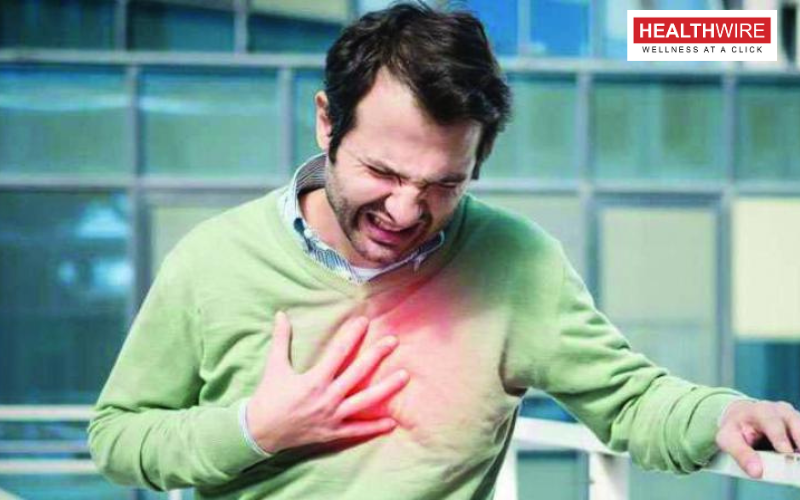
New Delhi, 02 October, 2025: Heart disease remains one of the leading causes of death globally, yet experts stress that most cases can be prevented. According to cardiologists, nearly 80% of heart disease is preventable through simple lifestyle changes. That means small, consistent daily habits can play a huge role in reducing the risk of heart attacks, strokes, and other cardiovascular problems.
A U.S. heart specialist recently emphasized that prevention is in our hands—and it doesn’t always require expensive treatments or drastic measures. Instead, cultivating healthy habits can go a long way in protecting heart health.
So, what are these habits? Here’s what experts recommend.
Why Prevention Matters in Heart Disease
Cardiovascular disease often develops silently over years due to poor diet, sedentary behavior, stress, smoking, and other risk factors. Unfortunately, by the time symptoms like chest pain, shortness of breath, or fatigue appear, the disease may already be advanced.
Doctors highlight two key points:
- Most heart disease risk factors are modifiable.
- Daily lifestyle choices build up over time, either strengthening or harming the heart.
In other words, what you do today affects your heart tomorrow.
The 5 Daily Habits That Lower Heart Attack Risk
1. Eat a Heart-Healthy Diet
Diet is one of the strongest predictors of cardiovascular health. Doctors recommend:
- Increase whole foods: Fruits, vegetables, whole grains, legumes, and nuts provide fiber, antioxidants, and minerals.
- Cut down on unhealthy fats: Saturated fats (found in fried foods, processed snacks, fatty meats) can raise cholesterol and clog arteries.
- Choose healthy fats: Olive oil, avocados, seeds, and fatty fish like salmon contain heart-protective omega-3 fatty acids.
- Limit salt and sugar: Excess sodium raises blood pressure, while added sugars increase diabetes and obesity risk.
“Think of food as medicine for your heart. Every meal is an opportunity to fuel your body with nutrients that protect blood vessels,” says Dr. Ramesh Mehta, cardiologist.
Pro tip: Follow the Mediterranean diet, consistently ranked among the best diets for heart health.
2. Stay Physically Active
Regular exercise strengthens the heart muscle, improves circulation, and helps maintain a healthy weight. Even moderate activity has major benefits.
- Aim for at least 30 minutes of exercise most days of the week.
- Walking, cycling, yoga, swimming, and even household chores count.
- Consistency matters more than intensity.
Studies show that just 7,000–10,000 steps per day significantly reduce cardiovascular risk.
“Movement is medicine. You don’t need a gym membership—just keep your body active throughout the day,” explains Dr. Mehta.
Pro tip: Break up long sitting hours with short walking breaks.
3. Manage Stress Effectively
Chronic stress raises blood pressure, triggers inflammation, and promotes unhealthy coping habits like overeating or smoking. Doctors emphasize that stress management is as important as diet and exercise.
Simple techniques include:
- Mindfulness meditation or yoga: Lowers stress hormone levels.
- Deep breathing exercises: Calm the nervous system in minutes.
- Adequate sleep: 7–8 hours of quality sleep is critical for heart health.
- Spending time outdoors: Nature reduces stress naturally.
Pro tip: Even 10 minutes of meditation or slow breathing daily can lower your heart rate and blood pressure.
4. Avoid Smoking and Limit Alcohol
Smoking is one of the strongest risk factors for heart disease. It damages arteries, raises blood pressure, and lowers oxygen levels.
- If you smoke, quitting is the single best thing you can do for your heart.
- Avoid secondhand smoke as well—it carries similar risks.
- Alcohol, if consumed, should be in moderation. Experts recommend no more than 1 drink per day for women and 2 for men.
“Every cigarette damages your heart. But the good news is, quitting reverses the risk significantly within a few years,” says Dr. Mehta.
Pro tip: Seek professional help or support groups if quitting feels overwhelming.
5. Monitor Health Numbers Regularly
Many people have silent risk factors like high blood pressure, diabetes, or high cholesterol and don’t realize it until a complication occurs. Regular monitoring allows for early intervention.
- Blood pressure: Keep below 120/80 mmHg.
- Cholesterol: LDL (bad cholesterol) should be kept low; HDL (good cholesterol) should be higher.
- Blood sugar: Screen regularly, especially if overweight or with family history of diabetes.
- Weight: Maintain a healthy BMI.
Pro tip: Schedule annual check-ups even if you feel fine. Prevention is always easier than treatment.
Other Small Daily Habits That Help
Beyond the five core habits, these additional tips can also make a difference:
- Stay hydrated: Proper hydration supports circulation.
- Limit processed foods: Packaged snacks often contain hidden sugars and salts.
- Eat slowly: Helps control portion sizes and digestion.
- Build strong relationships: Emotional wellbeing and social connections protect the heart.
Myths About Heart Disease Prevention
Myth 1: “I’m young, so I don’t need to worry.”
Fact: Heart disease is increasingly affecting people in their 30s and 40s due to poor lifestyle habits.
Myth 2: “Thin people don’t get heart disease.”
Fact: Even people at a normal weight can have high cholesterol, hypertension, or genetic risks.
Myth 3: “Medication is enough.”
Fact: While medicines help, lifestyle changes remain the cornerstone of prevention.
Why Doctors Emphasize Lifestyle Over Pills
Modern cardiology emphasizes that no medicine can replace healthy habits. While drugs like statins and blood pressure medications are lifesaving, they don’t address root causes like poor diet or inactivity.
Lifestyle modification not only prevents heart disease but also improves overall energy, mood, and longevity.
“Prevention is the most powerful treatment we have. By controlling lifestyle, we can reduce 80% of heart disease cases,” says Dr. Mehta.
Heart disease may be the world’s number one killer, but it is largely preventable. Doctors agree that five daily habits—healthy diet, regular exercise, stress control, avoiding tobacco and excess alcohol, and monitoring health numbers—can slash the risk of heart attack by up to 80%.
The key is not perfection, but consistency. Small steps taken daily add up to big results over time. By making these habits part of your lifestyle, you protect not only your heart but also your overall health and quality of life.

















Leave a comment