

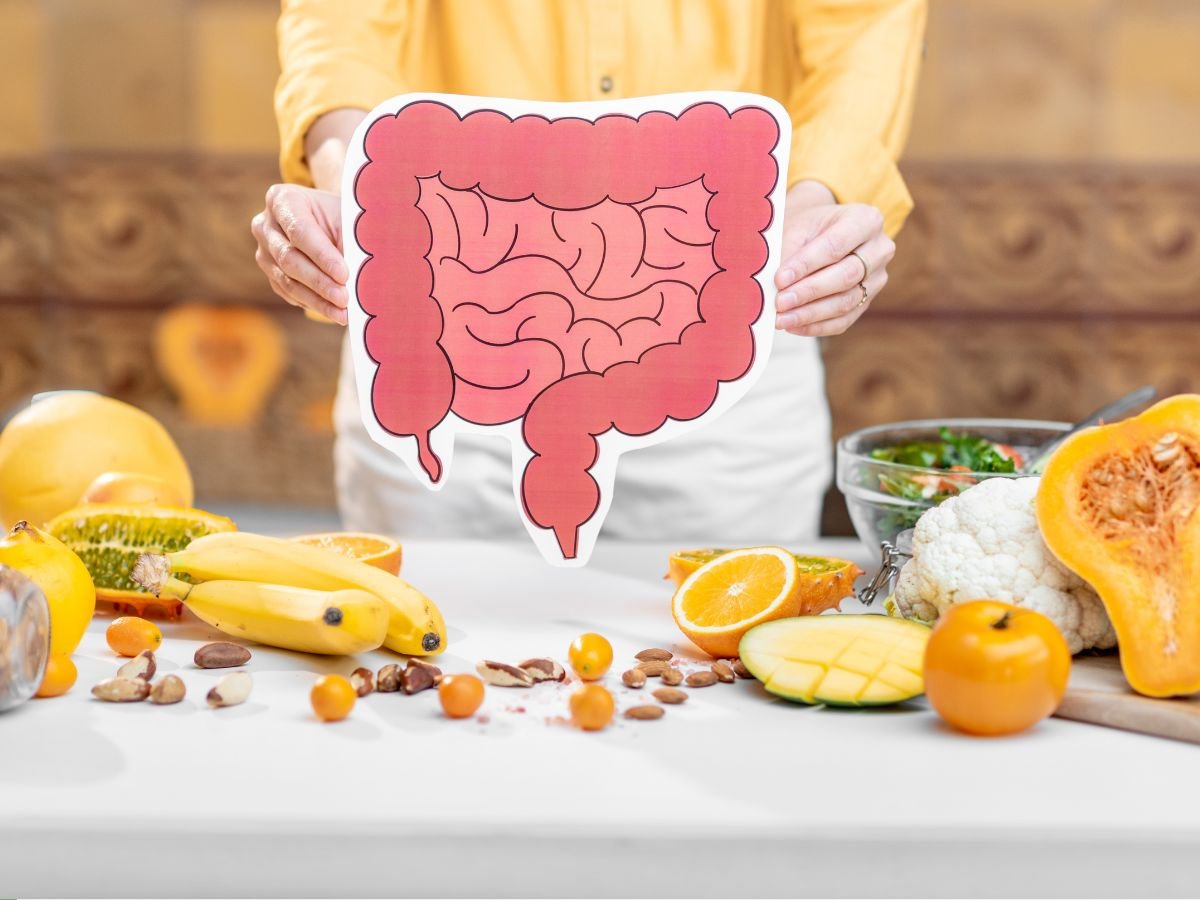
New Delhi, 12 October, 2025: In recent years, “gut health” has become more than just a wellness buzzword—it’s now recognized as a crucial pillar of overall well-being. From digestion and immunity to mood regulation and inflammation control, a healthy gut plays a key role in keeping the body balanced. But despite growing awareness, many people unknowingly engage in daily habits that damage their gut microbiome.
Experts warn that ignoring these signs can lead to chronic digestive problems, low energy, weakened immunity, and even increase the risk of serious conditions like autoimmune diseases, diabetes, and heart problems.
Here are the five worst habits that could be silently harming your gut health, and what you can do to fix them.
1. Relying Too Much on Ultra-Processed Foods
One of the biggest culprits behind poor gut health is a diet high in processed and refined foods. Packaged snacks, sugary drinks, instant noodles, chips, and ready-to-eat meals are often loaded with preservatives, emulsifiers, and artificial additives—ingredients that disrupt the delicate balance of gut bacteria.
Your gut microbiome thrives on fiber, whole grains, fresh fruits, vegetables, and fermented foods. When your diet lacks these, good bacteria decrease, and harmful microbes can flourish. This imbalance, known as gut dysbiosis, can lead to bloating, irregular bowel movements, and inflammation.
Expert insight: Diets high in processed food not only starve your gut of necessary nutrients but also make the environment more favorable for “bad” bacteria to thrive. Over time, this can weaken the gut barrier, increasing the risk of digestive disorders like irritable bowel syndrome (IBS) and inflammatory bowel disease (IBD).
What to do:
- Replace processed snacks with fiber-rich options like nuts, seeds, fruits, and whole grains.
- Include fermented foods like yogurt, kefir, kimchi, or sauerkraut in your diet.
- Aim for at least 25–30 grams of dietary fiber daily.
2. Chronic Stress and Lack of Emotional Regulation
Your gut and brain are deeply connected through the gut-brain axis—a two-way communication system linking emotional and digestive health. Prolonged stress can alter gut motility, increase inflammation, and disrupt the balance of your gut microbiome.
When you’re stressed, your body produces stress hormones like cortisol, which can slow digestion, reduce blood flow to the gut, and weaken the intestinal lining. This can lead to problems such as indigestion, bloating, and even long-term gut inflammation.
Expert insight: Chronic stress has been linked to flare-ups of conditions like irritable bowel syndrome, gut permeability issues (often referred to as “leaky gut”), and increased sensitivity to certain foods.
What to do:
- Incorporate stress-management practices such as mindfulness, meditation, deep breathing, or yoga.
- Get enough quality sleep—7 to 8 hours a night can significantly improve both mood and digestion.
- Consider short breaks throughout the day to reduce stress spikes.
3. Overuse of Antibiotics and Certain Medications
Antibiotics can be lifesaving, but their overuse or misuse can devastate your gut microbiome. These drugs kill both harmful and beneficial bacteria, leaving your gut more vulnerable to infections and imbalances.
Similarly, frequent use of painkillers, antacids, and laxatives can alter gut acidity, irritate the intestinal lining, and disrupt healthy bacterial populations.
Expert insight: Studies have shown that even a single course of antibiotics can reduce microbial diversity for weeks or months. This creates opportunities for harmful bacteria and fungi to overgrow, which can cause digestive symptoms, weakened immunity, and even mood changes.
What to do:
- Take antibiotics only when prescribed and necessary.
- If you’re on a course of antibiotics, talk to your doctor about taking probiotics afterward to help restore balance.
- Be mindful of unnecessary or prolonged use of over-the-counter medications that affect gut function.
4. Lack of Physical Activity
Many people underestimate how much physical activity influences gut health. A sedentary lifestyle slows down digestion, weakens intestinal muscle contractions, and increases the risk of constipation and bloating.
Exercise helps regulate digestion and improves the diversity of gut bacteria. Even moderate physical activity like walking or cycling can enhance gut motility, improve metabolism, and reduce inflammation.
Expert insight: Research indicates that active individuals tend to have more diverse gut microbiota, which is associated with better immunity, lower inflammation, and improved metabolic health.
What to do:
- Aim for at least 30 minutes of moderate exercise 5 times a week.
- Low-impact activities like walking, swimming, and yoga can be highly effective.
- Avoid long periods of sitting—stand, stretch, or walk every hour.
5. Ignoring Sleep and Circadian Rhythm
Your gut operates on a circadian rhythm, just like your brain. Poor sleep or irregular sleep-wake cycles can disrupt this rhythm, affecting how your gut digests food and maintains its microbial balance.
People who regularly sleep less than 6 hours or have inconsistent sleep schedules often experience digestive issues such as acid reflux, bloating, or irregular bowel movements. Over time, poor sleep is also linked to an increased risk of metabolic diseases and gut inflammation.
Expert insight: Lack of sleep increases stress hormone levels, slows digestion, and alters the composition of gut bacteria. This creates a feedback loop where poor gut health worsens sleep quality, and poor sleep further harms the gut.
What to do:
- Maintain a consistent bedtime and wake-up schedule.
- Avoid heavy meals and screens at least 2 hours before sleeping.
- Create a sleep-friendly environment—dark, cool, and quiet.
Why Gut Health Matters More Than You Think
Your gut is home to trillions of microorganisms, collectively known as the gut microbiome. This ecosystem plays a crucial role in:
- Digestion and nutrient absorption
- Immune system regulation
- Hormone production
- Mental health and mood regulation
- Metabolic balance and weight management
When your gut is imbalanced, it can manifest in surprising ways—not just through digestive problems. Symptoms like fatigue, skin issues, headaches, sugar cravings, and even anxiety can all trace back to poor gut health.
Signs That Your Gut Health May Be Compromised
You may not always notice gut issues right away. But subtle signs can serve as early warnings:
- Frequent bloating or gas
- Irregular bowel movements (constipation or diarrhea)
- Unexplained fatigue or brain fog
- Food sensitivities or intolerances
- Skin problems like acne or rashes
- Weak immunity or frequent colds
If these symptoms persist, it may be time to reassess your habits and consult a healthcare professional.
How to Heal and Strengthen Your Gut
Improving gut health doesn’t happen overnight—but consistent, mindful changes can restore balance and strengthen your microbiome. Experts recommend:
- Eating a fiber-rich diet with plenty of plant-based foods.
- Including probiotic and prebiotic foods to nourish beneficial bacteria.
- Staying hydrated throughout the day to support digestion.
- Managing stress effectively through regular mental wellness practices.
- Prioritizing quality sleep and daily movement.
In some cases, healthcare providers may recommend probiotic supplements, but it’s best to consult your doctor or a nutritionist before starting any new regimen.
Your gut health affects far more than just your stomach—it influences your energy, immunity, mood, and long-term well-being. Unfortunately, many common habits like eating processed foods, neglecting sleep, or overusing antibiotics can silently damage your gut over time.
The good news? With the right dietary choices, lifestyle adjustments, and awareness, it’s possible to repair and nurture your gut. Think of your gut microbiome as an ecosystem that thrives on care, balance, and nourishment. The better you treat it, the more it will support your health in return.

















Leave a comment