

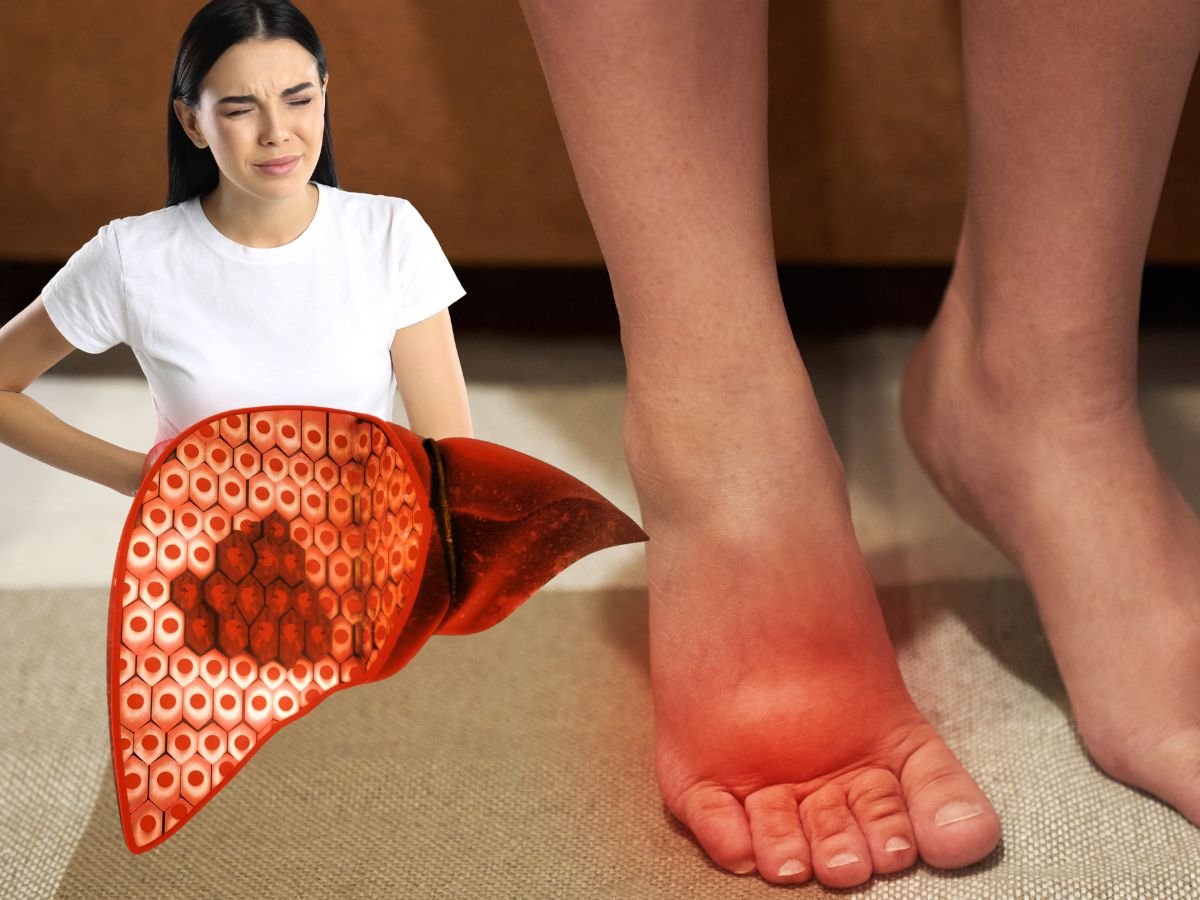
New Delhi, 07 October, 2025: A new nationwide health survey has revealed a startling statistic — nearly 38% of Indians are living with fatty liver disease, often without even realizing it. Once considered a condition affecting mainly those who consume alcohol, fatty liver disease (also called hepatic steatosis) has now become a silent epidemic among non-drinkers, fueled by unhealthy diets, sedentary lifestyles, and rising obesity rates.
Doctors warn that this liver condition can quietly progress over time, leading to liver inflammation, cirrhosis, or even liver cancer if not detected early. The most concerning part? Many people with fatty liver experience no symptoms at all — until serious damage has already begun.
Here’s what you need to know about this growing health concern and five signs you can check at home to identify if your liver might be in trouble.
What Is Fatty Liver Disease?
Fatty liver disease occurs when excess fat builds up in liver cells. Normally, the liver helps filter toxins, process nutrients, and regulate metabolism. However, when fat makes up more than 5–10% of the liver’s weight, it can disrupt these vital functions.
There are two main types:
- Alcoholic Fatty Liver Disease (AFLD) — caused by heavy drinking over time.
- Non-Alcoholic Fatty Liver Disease (NAFLD) — seen in people who drink little or no alcohol but have other risk factors such as obesity, diabetes, or high cholesterol.
NAFLD has now become the most common liver disorder in India, affecting people as young as their 20s. Experts believe that India’s urban lifestyle — rich in carbs, sugar, and processed foods — has made fatty liver a nationwide metabolic concern.
Why So Many Indians Are at Risk
Recent findings from the Indian Council of Medical Research (ICMR) and other public health studies show that nearly 2 out of 5 adults in India have fatty liver disease. What’s worrying is that the condition is increasingly being detected in non-obese and young individuals — a trend linked to visceral fat accumulation and poor dietary habits.
According to hepatologists, factors driving this epidemic include:
- High-carb, low-protein diets: Typical Indian meals rely heavily on rice, chapatis, and fried foods, leading to excess calorie intake.
- Sedentary lifestyle: Long working hours, minimal physical activity, and screen dependence reduce metabolism.
- Sugar-sweetened beverages: High consumption of soft drinks and packaged juices contributes to fat buildup.
- Uncontrolled diabetes and insulin resistance: These directly affect fat metabolism in the liver.
- Obesity and metabolic syndrome: The combination of abdominal fat, hypertension, and high cholesterol puts additional strain on the liver.
5 Warning Signs of Fatty Liver You Can Check at Home
While the liver is a resilient organ that can repair itself, early detection is key. Many people with fatty liver have no obvious symptoms, but there are subtle warning signs you can notice at home that may indicate your liver isn’t functioning optimally.
Here are five self-checks that could help you recognize potential trouble:
1. Unexplained Fatigue or Weakness
One of the most common yet overlooked signs of fatty liver is persistent tiredness. The liver plays a key role in converting nutrients into energy. When it’s overloaded with fat, this process slows down, leading to fatigue even after adequate rest.
If you find yourself feeling drained, sluggish, or low on stamina, despite sleeping well or eating adequately, it may be worth checking your liver health.
2. Abdominal Fullness or Mild Pain
Many people with fatty liver report a dull ache or heaviness on the upper right side of the abdomen — where the liver is located. This happens as the liver enlarges due to fat accumulation.
Although this symptom is usually mild and easily mistaken for bloating or indigestion, persistent discomfort in that area can be an early warning sign that your liver is inflamed or swollen.
3. Sudden Weight Gain or Difficulty Losing Weight
Fatty liver is both a cause and consequence of metabolic imbalance. If you are gaining weight — especially around the abdomen — without major changes in your diet or activity, your body may be storing excess fat not just under the skin, but around your internal organs too.
Similarly, if you’re trying to lose weight but the scale refuses to budge despite effort, it could be linked to sluggish liver metabolism.
4. Skin Changes: Dark Patches and Itching
The skin often reflects internal health. People with fatty liver sometimes develop dark, velvety patches on the neck, underarms, or groin (a condition called acanthosis nigricans), which indicates insulin resistance — a major risk factor for liver disease.
You may also experience dry or itchy skin, particularly on your arms and legs. This can occur because a stressed liver struggles to process bile, leading to toxin buildup in the bloodstream.
5. Brain Fog or Poor Concentration
If you frequently experience mental fatigue, confusion, or forgetfulness, it could be more than just stress. When the liver cannot efficiently detoxify the body, waste products accumulate, which can affect brain function. This is sometimes referred to as “hepatic brain fog.”
While it’s not a definitive symptom, recurring difficulty focusing — especially along with fatigue and weight issues — warrants further evaluation.
How Doctors Diagnose Fatty Liver
If you suspect fatty liver, doctors typically recommend a few simple tests:
- Liver Function Test (LFT): Measures enzyme levels to detect liver inflammation.
- Ultrasound or FibroScan: Non-invasive imaging to assess fat and fibrosis levels in the liver.
- Blood Sugar and Lipid Profile: To check for metabolic risk factors like diabetes and cholesterol.
- BMI and Waist Circumference: Indicators of visceral fat and obesity.
Early diagnosis allows lifestyle interventions to reverse fatty liver before it progresses to more severe stages.
Reversing Fatty Liver: Lifestyle Is the Key
The good news is that fatty liver is reversible in its early stages. Doctors emphasize that lifestyle changes can significantly improve liver function within months. Here’s how:
- Adopt a Balanced Diet:
- Reduce refined carbs (white rice, sweets, fried foods).
- Include lean proteins (lentils, eggs, fish, paneer).
- Add healthy fats (nuts, olive oil, flaxseeds).
- Eat more fiber-rich foods — fruits, vegetables, and whole grains.
- Exercise Regularly:
- Aim for 30–45 minutes of moderate exercise, 5 days a week.
- Walking, swimming, yoga, or cycling can all help burn liver fat.
- Limit Sugar and Alcohol:
- Cut out sugary beverages and desserts.
- Avoid or strictly limit alcohol intake, even if the fatty liver is non-alcoholic.
- Stay Hydrated and Sleep Well:
- Proper hydration aids detoxification.
- Poor sleep increases stress hormones, worsening liver fat accumulation.
- Monitor Weight and Blood Markers:
- Aim to lose 5–10% of body weight gradually.
- Regular health check-ups can track liver recovery.
When to Seek Medical Help
If you experience persistent fatigue, abdominal discomfort, yellowing of eyes (jaundice), or swelling in legs, consult a hepatologist immediately. These could signal progression to non-alcoholic steatohepatitis (NASH) or liver fibrosis, which require medical management.
Doctors may prescribe medications to control cholesterol, insulin resistance, or liver inflammation, depending on your condition.
With nearly four in ten Indians affected, fatty liver disease has become a silent yet serious public health challenge. The danger lies not only in its prevalence but also in how easily it goes unnoticed.
Simple lifestyle choices — balanced eating, regular movement, and timely health screenings — can protect one of your body’s most vital organs. If you recognize even a few of the warning signs mentioned above, it’s worth getting a liver check-up.
Your liver doesn’t complain until it’s overburdened — but with early attention, it can heal, rejuvenate, and continue to support your overall well-being for years to come.
















Leave a comment