

New Delhi, 18 October, 2025: Many serious health problems develop quietly, showing little to no symptoms until they reach an advanced stage. These hidden health issues can often be managed—or even prevented—if caught early. Unfortunately, many people dismiss early warning signs or skip regular health checkups, assuming everything is fine.
Ignoring small signals from your body can lead to serious complications down the line. Here’s a list of 10 hidden health issues that you might be overlooking—until they turn into something much bigger.
1. High Blood Pressure (Hypertension)
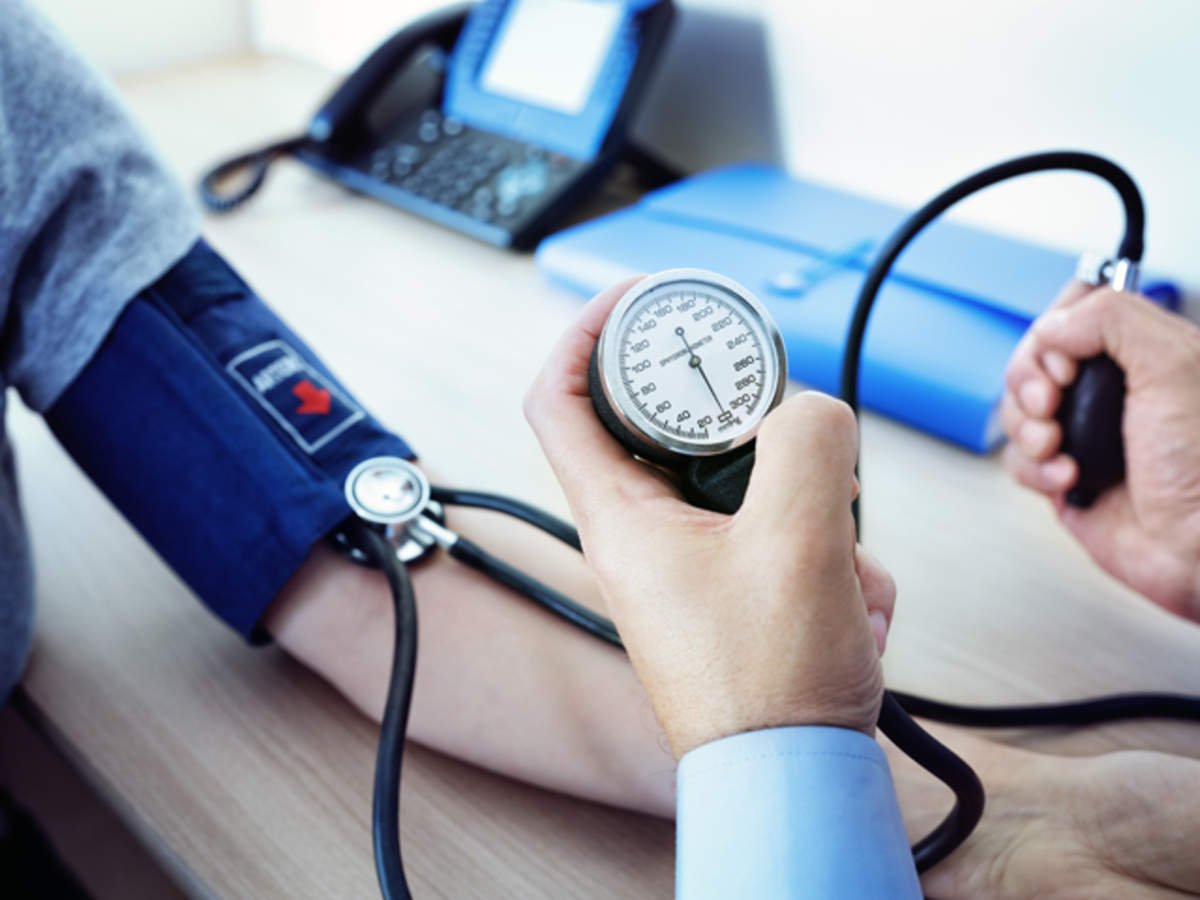
Often called the “silent killer,” high blood pressure rarely causes symptoms until it leads to heart attacks, strokes, or kidney problems.
Why it’s dangerous:
It puts extra strain on your heart and arteries, increasing the risk of cardiovascular disease.
What to do:
- Get your blood pressure checked regularly—even if you feel fine.
- Maintain a healthy weight, reduce salt intake, and stay active.
2. Insulin Resistance and Prediabetes
You don’t have to be diabetic to have blood sugar problems. Many people live with insulin resistance for years without knowing, until it progresses to full-blown type 2 diabetes.
Why it’s dangerous:
High blood sugar damages blood vessels, nerves, and organs over time—even before symptoms appear.
What to do:
- Monitor your blood sugar, especially if you have a family history of diabetes.
- Eat a low-glycemic diet, exercise regularly, and limit sugar and refined carbs.
3. Thyroid Imbalance (Especially Hypothyroidism)
An underactive thyroid can slow down your metabolism and affect nearly every system in your body—but the symptoms often appear gradually and are mistaken for aging or stress.
Common symptoms:
Fatigue, weight gain, hair thinning, cold sensitivity, brain fog.
What to do:
- Ask your doctor for a thyroid function test (TSH, T3, T4).
- Treat imbalances early to avoid long-term complications.
4. Vitamin D Deficiency
This deficiency is extremely common, especially in people who get little sun exposure. Symptoms can be subtle but affect energy, mood, immunity, and bone health.
Why it’s dangerous:
Low vitamin D is linked to osteoporosis, depression, immune dysfunction, and even some cancers.
What to do:
- Get a simple blood test to check your levels.
- Spend time in natural sunlight, eat fortified foods, or take supplements as needed.
5. Sleep Apnea
You might think you’re just a loud snorer or someone who sleeps poorly—but sleep apnea is a serious condition where your breathing repeatedly stops during sleep.
Why it’s dangerous:
It increases the risk of high blood pressure, heart disease, stroke, and even sudden death.
Common signs:
Loud snoring, daytime fatigue, gasping during sleep, morning headaches.
What to do:
- Talk to a sleep specialist and consider a sleep study if symptoms are present.
- Treatment often involves lifestyle changes or using a CPAP machine.
6. Fatty Liver Disease (Non-Alcoholic Fatty Liver Disease – NAFLD)
A growing number of people—even those who don’t drink alcohol—are developing fat buildup in the liver, often without symptoms.
Why it’s dangerous:
NAFLD can progress to liver inflammation, scarring (cirrhosis), and liver failure.
What to do:
- Get liver function tests if you have high cholesterol, diabetes, or are overweight.
- Eat a balanced diet, avoid sugar and processed foods, and exercise regularly.
7. Iron Deficiency (Especially in Women)
Even mild iron deficiency can lead to fatigue, dizziness, and poor concentration—but it’s often dismissed as “just being tired.”
Why it’s dangerous:
If untreated, it can progress to anemia, weaken the immune system, and affect heart function.
What to do:
- Have your iron and ferritin levels checked if you feel consistently weak or fatigued.
- Eat iron-rich foods like leafy greens, lentils, red meat, and pair with vitamin C for better absorption.
8. Chronic Inflammation
Low-grade, chronic inflammation in the body doesn’t always cause symptoms, but it’s a major contributor to diseases like arthritis, heart disease, cancer, and Alzheimer’s.
Why it’s dangerous:
Inflammation silently damages tissues and organs over time.
What to do:
- Adopt an anti-inflammatory diet (rich in omega-3s, vegetables, and whole foods).
- Avoid smoking, excessive alcohol, sugar, and processed foods.
- Manage stress and get regular exercise.
9. Digestive Disorders (Like IBS or Leaky Gut)
Bloating, constipation, or food sensitivities might seem like small annoyances, but they can point to deeper issues with gut health.
Why it’s dangerous:
Poor digestion affects nutrient absorption, immunity, and overall well-being.
What to do:
- Don’t ignore persistent digestive symptoms.
- Consider a gut-healing diet (low FODMAP, elimination diet) and speak to a specialist if needed.
10. Depression and Anxiety
Mental health issues don’t always show up as sadness or panic attacks. Chronic fatigue, irritability, trouble sleeping, and loss of motivation can also be signs.
Why it’s dangerous:
Untreated depression and anxiety can lead to physical health decline, poor decision-making, and increased risk of chronic disease.
What to do:
- Pay attention to emotional and psychological changes.
- Seek support from a mental health professional.
- Combine therapy, lifestyle changes, and (if needed) medication for best outcomes.
Your body is always sending you signals—even if they’re subtle. Ignoring these early signs may lead to serious consequences down the line. The good news is that most of these hidden health problems are detectable and manageable if caught early.
Schedule regular health checkups, listen to your body, and don’t dismiss symptoms that linger. Prevention and awareness are often the best medicine.

















Leave a comment