

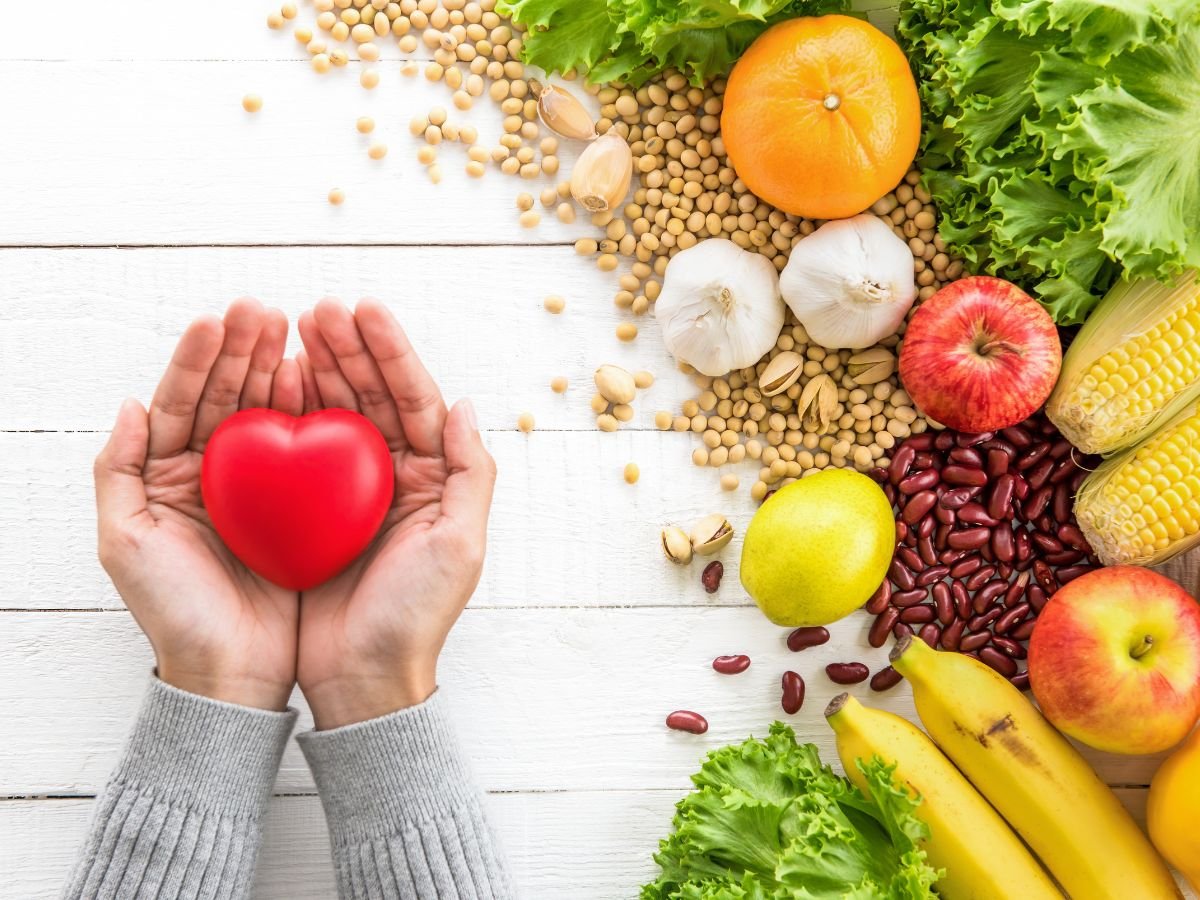
New Delhi, 02 August 2025: As we approach the World Heart Health Day 2025, it’s time to reflect on one of the most vital organs in the human body — the heart. With heart diseases continuing to be the leading cause of death globally, particularly among adults over 40, it’s never too early (or too late) to prioritize cardiovascular health. As age increases, so does the risk of heart-related ailments like hypertension, heart failure, stroke, and coronary artery disease. The good news? Many of these can be prevented with a few consistent lifestyle changes.
Here’s your detailed, expert-backed guide to keeping your heart healthy after 40.
Why Heart Health Matters More After 40
As we cross the 40-year threshold, our body undergoes natural changes. Blood vessels lose elasticity, cholesterol levels may begin to rise, and metabolism slows down. For many, this age marks the onset of lifestyle-related conditions such as high blood pressure, Type 2 diabetes, or elevated LDL cholesterol — all key contributors to heart disease.
Hormonal changes, especially in women approaching menopause, also affect cardiovascular function. This is why after 40, heart health must be a conscious priority, not an afterthought.
1. Prioritize Regular Heart Health Screenings
Routine health checks become crucial after 40. Regularly monitor:
- Blood Pressure
- Cholesterol levels (HDL, LDL, triglycerides)
- Blood Sugar
- Body Mass Index (BMI)
- Electrocardiogram (ECG), if advised
Early detection of imbalances allows timely intervention and helps prevent serious complications.
2. Adopt a Heart-Healthy Diet
One of the most impactful changes is switching to a heart-healthy diet. This doesn’t mean bland meals or extreme restrictions — it’s about making smarter choices.
- Increase intake of fruits and vegetables: They’re high in fiber, antioxidants, and nutrients that reduce inflammation and protect the heart.
- Choose whole grains: Brown rice, oats, barley, and quinoa help regulate cholesterol and improve artery function.
- Cut back on trans fats and saturated fats: Found in fried food, processed snacks, and red meat, these raise bad cholesterol (LDL).
- Include healthy fats: Olive oil, avocados, flaxseeds, and nuts contain good fats (omega-3s) that support heart function.
- Limit salt and sugar: Excess sodium raises blood pressure, while too much sugar can lead to diabetes and weight gain.
3. Exercise for at Least 30 Minutes a Day
Physical activity is non-negotiable. After 40, maintaining an active lifestyle helps manage weight, improve circulation, lower blood pressure, and strengthen the heart muscle.
- Aerobic activities like brisk walking, swimming, cycling, or dancing are excellent.
- Add strength training twice a week to build lean muscle and improve metabolism.
- Even low-impact exercises like yoga or tai chi can help reduce stress and enhance cardiovascular function.
Aim for 150 minutes of moderate activity per week — even broken down into 10-minute intervals if needed.
4. Manage Stress Effectively
Chronic stress is a silent killer. It raises cortisol levels, increases inflammation, and contributes to hypertension and heart disease. People over 40 often juggle professional, family, and financial responsibilities — all stress triggers.
How to reduce stress:
- Practice deep breathing, mindfulness, and meditation
- Take up hobbies or engage in creative outlets
- Ensure regular sleep and screen-free downtime
- Consider professional counseling if stress feels overwhelming
5. Get 7–8 Hours of Quality Sleep
Poor sleep is linked to obesity, high blood pressure, irregular heartbeats, and increased risk of stroke. After 40, hormonal shifts can disrupt sleep cycles.
Tips for better sleep:
- Maintain a fixed bedtime and wake-up schedule
- Avoid caffeine and heavy meals late in the day
- Reduce screen time before bed
- Keep your room cool, dark, and quiet
Good sleep is restorative — not just for your energy but for your heart, too.
6. Quit Smoking and Limit Alcohol
Smoking is a major contributor to cardiovascular diseases. If you smoke, quitting is the single best thing you can do for your heart. It immediately reduces your risk of a heart attack, stroke, and peripheral artery disease.
Alcohol, in moderation, may have some heart benefits, but excessive consumption does more harm than good. Limit intake to:
- 1 drink per day for women
- 2 drinks per day for men
7. Stay Hydrated, Especially in Hot Weather
Dehydration can strain your heart by lowering blood volume and increasing heart rate. Older adults may have a reduced sense of thirst, so staying hydrated is crucial.
- Aim for 8–10 glasses of water daily
- Increase intake if you’re physically active or in hot climates
- Avoid sugary drinks and limit caffeine
8. Don’t Ignore Symptoms — Even Mild Ones
Mild chest discomfort, shortness of breath, jaw pain, or fatigue could all be warning signs. Heart disease symptoms can be subtle, especially in women.
If you feel “off” or experience unexplained symptoms, seek medical help — don’t brush it off or wait.
9. Maintain a Healthy Weight
Obesity increases the risk of high blood pressure, diabetes, and elevated cholesterol. After 40, metabolism slows down, and it becomes harder to lose weight — but even small reductions make a big difference.
- Aim for a waist circumference below 40 inches (men) and 35 inches (women)
- Focus on sustainable lifestyle changes, not crash diets
- Track progress with a combination of weight, inches, and fitness levels
10. Build a Support System
Health goals are easier to maintain with support. Join a walking group, take a healthy cooking class, or involve your partner in lifestyle changes. Social support reduces stress, keeps you accountable, and improves long-term outcomes.
A Healthy Heart After 40 is Achievable
World Heart Health Day 2025 is more than a date — it’s a reminder to treat your heart with the care it deserves. Whether you’re in your early 40s or pushing 60, it’s never too late to start making changes. A combination of mindful eating, regular movement, mental well-being, and medical awareness is key to keeping your heart strong for decades to come.
Your heart works tirelessly for you — it’s time to return the favor.
















Leave a comment