

By Saima Wazed, WHO Regional Director for South-East Asia
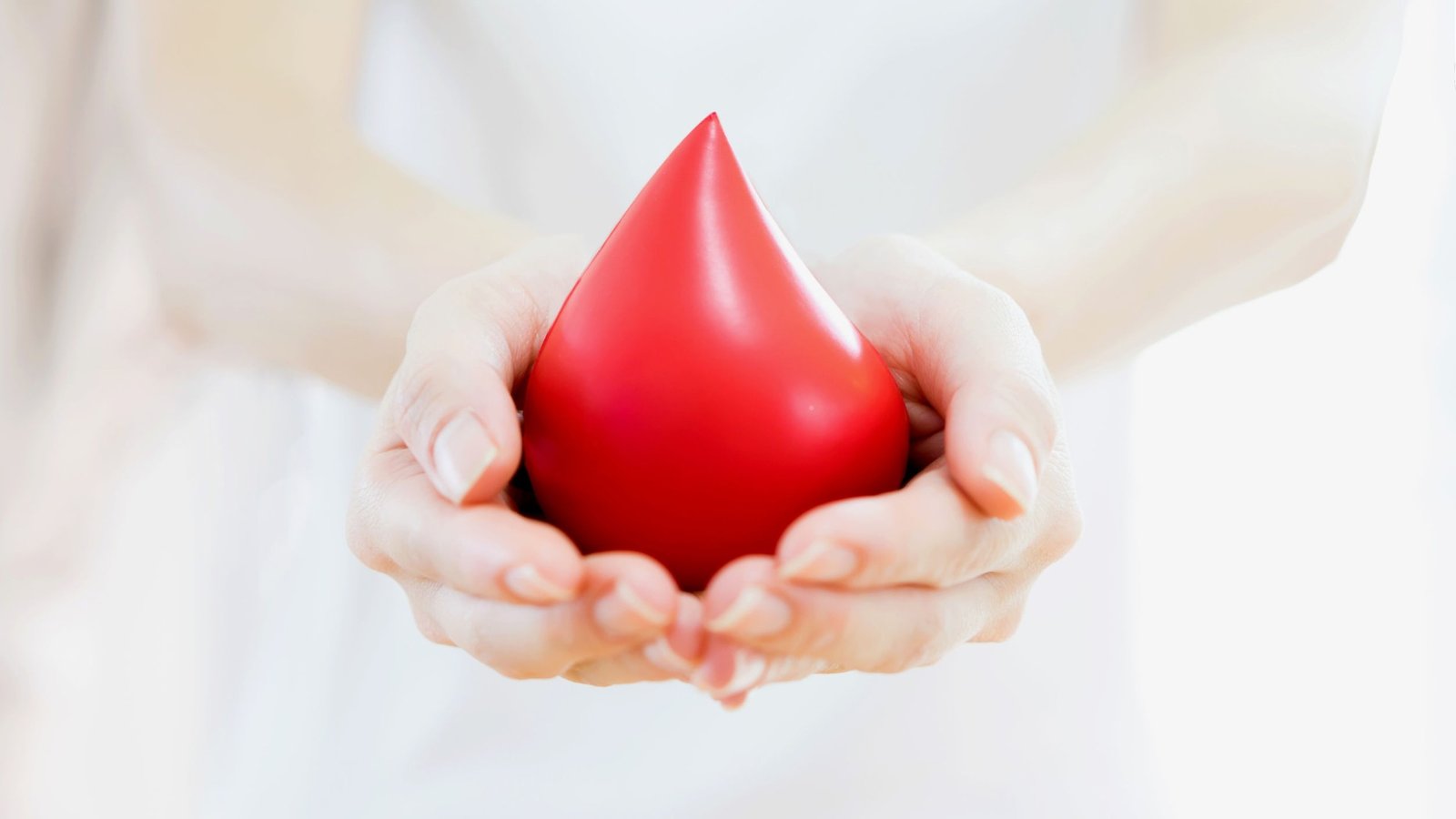
World Blood Donor Day, celebrated annually on 14 June, is a worldwide celebration to honour and thank those people who donate their blood, voluntarily and unpaid, to give others the gift of life. It is celebrated on the day of birthday anniversary of Karl Landsteiner, who discovered the ABO blood group system.
This years marks the 20th year of World Blood Donor Day (WBDD) after it was first organised in 2004, by the World Health Organization (WHO) and our partners at the International Federation of Red Cross and Red Crescent Societies, the International Federation of Blood Donor Organizations and the International Society of Blood Transfusion.
The WBDD theme this year is ‘celebrating 20 years of giving: thank you blood donors!’
Blood transfusion plays a critical role in healthcare, benefiting patients in need of blood and its components who face life-threatening conditions. Transfusions help patients live longer and with a better quality of life. They support complex medical and surgical procedures, making them indispensable in maternal and childcare, as well as during natural or man-made disasters. Unfortunately, in many countries, demand exceeds supply, posing a challenge for blood services to make sufficient blood available while ensuring its quality and safety. Voluntary unpaid blood donations are the foundation of a safe and sufficient blood supply.
WHO established the Global Database for Blood Safety in 1998 to assess blood transfusion services’ strengths and weaknesses among member states. Our South-East Asia Region (SEAR) has recently shown significant progress in blood safety. All our Member States now have national blood policies and guidelines, and most also have legal frameworks ensuring the safety and quality of blood products.
Our Region recorded around 22.3 million whole blood donations, with 100% screened for transfusion-transmitted infections (TTI) and ABO grouping. Hemovigilance and quality assurance for TTI and serology testing are improving, supported by WHO-SEARO through regional programs. WHO revived the Blood Achilles project in Indonesia to achieve self-sufficiency in plasma-derived medicinal products (PDMPs), with Thailand and India already producing PDMPs. WHO continues to support member states with technical assistance and training to ensure safe blood supply, revising guidance documents to enhance national blood transfusion services.
We encourage our Member States to provide resources and infrastructure to facilitate voluntary blood donation, and to support the development of nationally coordinated blood transfusion services that provide equitable access to safe and quality assured blood transfusions for the whole population.
On WBDD, we urge everyone to promote a culture of regular blood donation, and increase the diversity and sustainability of the blood donor pool. Find out your blood type, register as a blood donor, donate blood and encourage your friends and family to become regular blood donors.
This WBBD, we thank and recognize the millions of voluntary blood donors who have contributed to the health and well-being of millions of people around the world. Every single blood or plasma donation is a precious lifesaving gift, and regular donations are the key to building a safe and sustainable supply. Your selfless donations have had a profound impact on the lives and well-being of hundreds of millions of people, as well as their families and communities across the world.












Leave a comment