

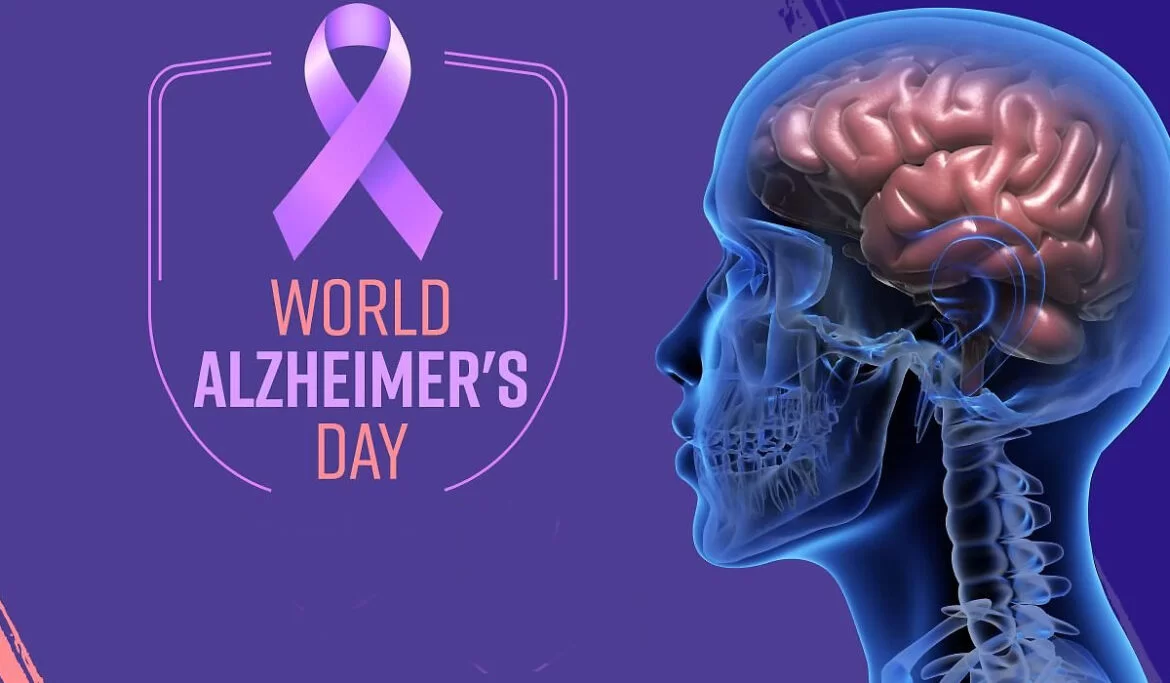
New Delhi, 21 September, 2025: Every year on September 21st, World Alzheimer’s Day is observed globally to raise awareness about Alzheimer’s disease and other forms of dementia. In 2025, this day holds even more importance as the number of people affected by Alzheimer’s continues to rise worldwide. Families, caregivers, researchers, and policymakers unite to spread knowledge, fight stigma, and encourage early diagnosis and support.
But what exactly is Alzheimer’s disease? Why does it affect the brain in such a profound way? And what can be done to help those living with it? This article breaks down the science, symptoms, impact, and care strategies surrounding this condition.
What Is Alzheimer’s Disease?
Alzheimer’s disease is a progressive neurological disorder that slowly destroys memory, thinking skills, and the ability to carry out simple tasks. It is the most common cause of dementia, accounting for 60–70% of dementia cases globally.
Unlike normal aging, Alzheimer’s is not just about occasional forgetfulness. It is a disease of the brain that worsens over time and interferes with daily life.
How Alzheimer’s Affects the Brain
To understand Alzheimer’s, it’s important to know what happens inside the brain:
- Protein Buildup
- Abnormal proteins called amyloid plaques build up between brain cells.
- Another protein, tau, twists inside cells, forming tangles.
- These disrupt communication between brain cells and lead to cell death.
- Brain Shrinkage (Atrophy)
- As neurons die, certain brain regions shrink, especially the hippocampus, which controls memory.
- Later, other regions responsible for reasoning, speech, and movement are affected.
- Neurotransmitter Disruption
- Chemicals that transmit signals between nerve cells, especially acetylcholine, decrease.
- This worsens memory loss and cognitive decline.
Stages of Alzheimer’s Disease
Alzheimer’s progresses slowly, often over many years. The stages include:
- Preclinical Stage
- Brain changes begin long before symptoms appear.
- People are symptom-free but abnormal protein buildup has already started.
- Mild Cognitive Impairment (MCI)
- Subtle memory lapses, difficulty finding words, or losing items frequently.
- Daily functioning is mostly unaffected.
- Mild Alzheimer’s
- Clear memory problems and confusion about time and place.
- Trouble handling money, planning, or organizing.
- Personality changes may begin.
- Moderate Alzheimer’s
- Increased confusion and memory loss.
- Problems recognizing family and friends.
- Need help with daily tasks like dressing and eating.
- Wandering, repetitive questions, and sleep problems may appear.
- Severe Alzheimer’s
- Complete dependence on caregivers.
- Loss of ability to communicate.
- Physical decline—difficulty swallowing, incontinence, immobility.
- High risk of infections like pneumonia.
Symptoms to Watch Out For
- Memory loss affecting daily life
- Difficulty solving problems or making decisions
- Trouble completing familiar tasks
- Confusion about time and place
- Trouble with language (speaking, writing)
- Poor judgment
- Withdrawal from work or social activities
- Mood swings, anxiety, or depression
Recognizing symptoms early is vital for diagnosis and care planning.
Risk Factors for Alzheimer’s
While the exact cause isn’t fully understood, certain factors increase risk:
- Age – Risk rises sharply after 65.
- Genetics – Family history and specific genes (such as APOE-ε4) increase susceptibility.
- Gender – Women are more likely to develop Alzheimer’s, partly due to longevity.
- Lifestyle – Smoking, poor diet, lack of exercise, obesity, and excessive alcohol use.
- Health Conditions – Hypertension, diabetes, and high cholesterol raise risk.
- Head Injuries – Past traumatic brain injuries can be linked to higher risk.
Diagnosis
Doctors diagnose Alzheimer’s through:
- Medical history and symptom review
- Cognitive tests (memory, problem-solving, language)
- Brain imaging (MRI, CT scans, PET scans) to detect shrinkage and protein buildup
- Blood tests to rule out other causes
- Genetic tests in select cases
Early diagnosis allows treatment to begin sooner, helping manage symptoms and plan care effectively.
Treatment Options
Currently, there is no cure for Alzheimer’s. However, treatments focus on managing symptoms, slowing progression, and improving quality of life.
- Medications
- Cholinesterase inhibitors (donepezil, rivastigmine, galantamine) improve communication between nerve cells.
- Memantine helps regulate glutamate, a brain chemical involved in memory and learning.
- Newer drugs aim to target amyloid plaques, though availability and effectiveness vary.
- Non-Drug Therapies
- Cognitive stimulation activities like puzzles, memory games, or music therapy.
- Routine physical activity to maintain mobility and overall health.
- Stress-reduction strategies such as meditation or yoga.
- Supportive Care
- Structured routines help reduce confusion.
- Occupational therapy for daily tasks.
- Counseling and support groups for patients and families.
The Role of Caregivers
Alzheimer’s not only affects patients but also deeply impacts families and caregivers. Caregiving often involves:
- Assisting with personal care (bathing, eating, dressing).
- Managing medications.
- Ensuring safety (preventing wandering, falls).
- Providing emotional support.
Caregivers may experience burnout, stress, and depression, highlighting the need for caregiver support programs, respite care, and counseling.
Living With Alzheimer’s
While challenging, individuals with Alzheimer’s can still live fulfilling lives with the right support:
- Encourage participation in social activities.
- Maintain a balanced diet and regular exercise.
- Create safe, familiar, and calm environments.
- Use memory aids like notes, calendars, or phone reminders.
- Focus on abilities rather than limitations.
Global Impact
- Worldwide, over 55 million people live with dementia, and Alzheimer’s is the leading cause.
- The number is projected to triple by 2050, with the fastest rise in low- and middle-income countries.
- The economic burden includes healthcare costs, lost productivity, and unpaid caregiving.
World Alzheimer’s Day 2025 emphasizes “Awareness, Care, and Research”—encouraging governments to invest in dementia-friendly policies and treatments.
Preventive Steps
While Alzheimer’s cannot always be prevented, lifestyle choices can reduce risk:
- Stay physically active (walking, yoga, swimming).
- Eat a Mediterranean-style diet rich in vegetables, fish, nuts, and olive oil.
- Keep the brain active with reading, learning, puzzles.
- Get quality sleep.
- Manage chronic conditions like diabetes and high blood pressure.
- Avoid smoking and limit alcohol.
- Stay socially engaged to reduce isolation.
Alzheimer’s disease is one of the greatest public health challenges of our time, impacting not just individuals but entire families and societies. On World Alzheimer’s Day 2025, it’s crucial to spread awareness, encourage early diagnosis, and provide care and compassion to those affected.
By understanding how Alzheimer’s damages the brain and taking preventive measures, society can better support patients while research continues toward finding a cure.
Caring for the brain means caring for the person—and in the fight against Alzheimer’s, awareness and empathy are just as vital as science.
















Leave a comment