

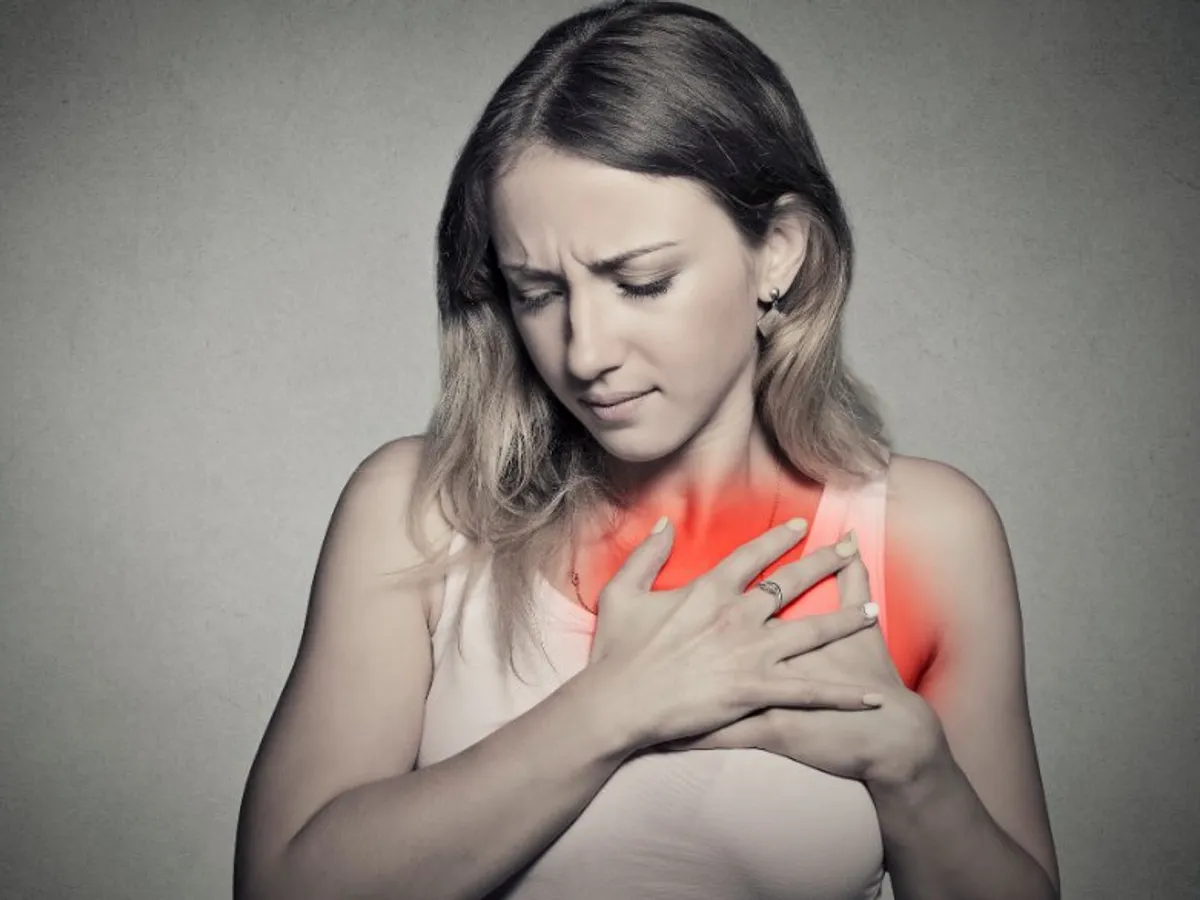
Heart disease remains the leading cause of death worldwide, and for women, it can be particularly insidious. Unlike men, whose heart attack symptoms are often sudden and dramatic, women frequently experience subtler signs, making early detection challenging. Understanding these differences is critical in 2026, as awareness and timely intervention can save lives.
Why Women’s Heart Disease Symptoms Differ
Biological and hormonal factors play a major role in how heart disease manifests in women. Estrogen, for example, offers protective cardiovascular effects before menopause, influencing blood vessel function, cholesterol levels, and inflammation. After menopause, the drop in estrogen contributes to an increased risk of heart disease.
Additionally, women are more likely to experience microvascular disease — a condition affecting the tiny blood vessels of the heart — rather than the large artery blockages more common in men. This difference can result in atypical symptoms, making diagnosis more complex.
Common Early Warning Signs in Women
While chest pain or discomfort is a hallmark of heart disease, women often experience less obvious symptoms. Key signs include:
- Shortness of breath — may occur during normal activities or at rest.
- Fatigue — extreme or unexplained tiredness that doesn’t improve with rest.
- Nausea or vomiting — sometimes accompanied by indigestion or a feeling of fullness.
- Pain in the neck, jaw, shoulder, or back — discomfort may radiate differently than in men.
- Lightheadedness or dizziness — sudden episodes that may precede more severe events.
- Sweating — cold or clammy skin without exertion.
Because these symptoms can be mistaken for stress, flu, or other conditions, women often delay seeking care, which increases the risk of severe cardiac events.
Risk Factors Unique to Women
Certain factors elevate women’s heart disease risk and can influence symptom patterns:
- Hormonal changes — pregnancy, menopause, and conditions like polycystic ovary syndrome (PCOS) can impact cardiovascular health.
- Autoimmune diseases — lupus and rheumatoid arthritis, more common in women, are associated with higher heart disease risk.
- Mental health — chronic stress, anxiety, and depression disproportionately affect women and contribute to cardiovascular risk.
- Lifestyle factors — smoking, obesity, high blood pressure, and diabetes remain significant contributors, with some studies showing women may experience more severe effects from these factors than men.
Steps to Protect Heart Health
Early detection and lifestyle interventions are key. Women should:
1. Schedule regular check-ups
Routine screenings for blood pressure, cholesterol, blood sugar, and heart function are vital.
2. Track symptoms carefully
Maintain a health diary noting fatigue, shortness of breath, or unexplained discomfort to share with your healthcare provider.
3. Prioritize heart-healthy habits
Balanced diet, regular exercise, stress management, and adequate sleep all contribute to cardiovascular protection.
4. Understand personal risk
Family history, hormonal conditions, and autoimmune diseases should be discussed with a doctor for tailored prevention strategies.
5. Advocate for timely care
Never ignore symptoms. Early medical intervention dramatically improves outcomes, especially in women with atypical signs.
The Importance of Awareness in 2026
Despite advances in cardiovascular care, many women still underestimate their heart disease risk. Awareness campaigns and research now emphasize the need for women-specific education, focusing on recognizing subtle symptoms and understanding how hormonal and biological factors influence heart health.
By 2026, prioritizing women’s heart health is no longer optional — it’s essential. Women who learn to recognize early warning signs and adopt preventive strategies can reduce their risk of heart attacks, heart failure, and other serious complications.
















Leave a comment