Home Health News Cardiology Winter Season Can Cause Surge in Heart Conditions: Follow These Tips to Protect Your Heart
CardiologyHealth News

Winter Season Can Cause Surge in Heart Conditions: Follow These Tips to Protect Your Heart

Share
Heart Failure
Heart Failure
Share

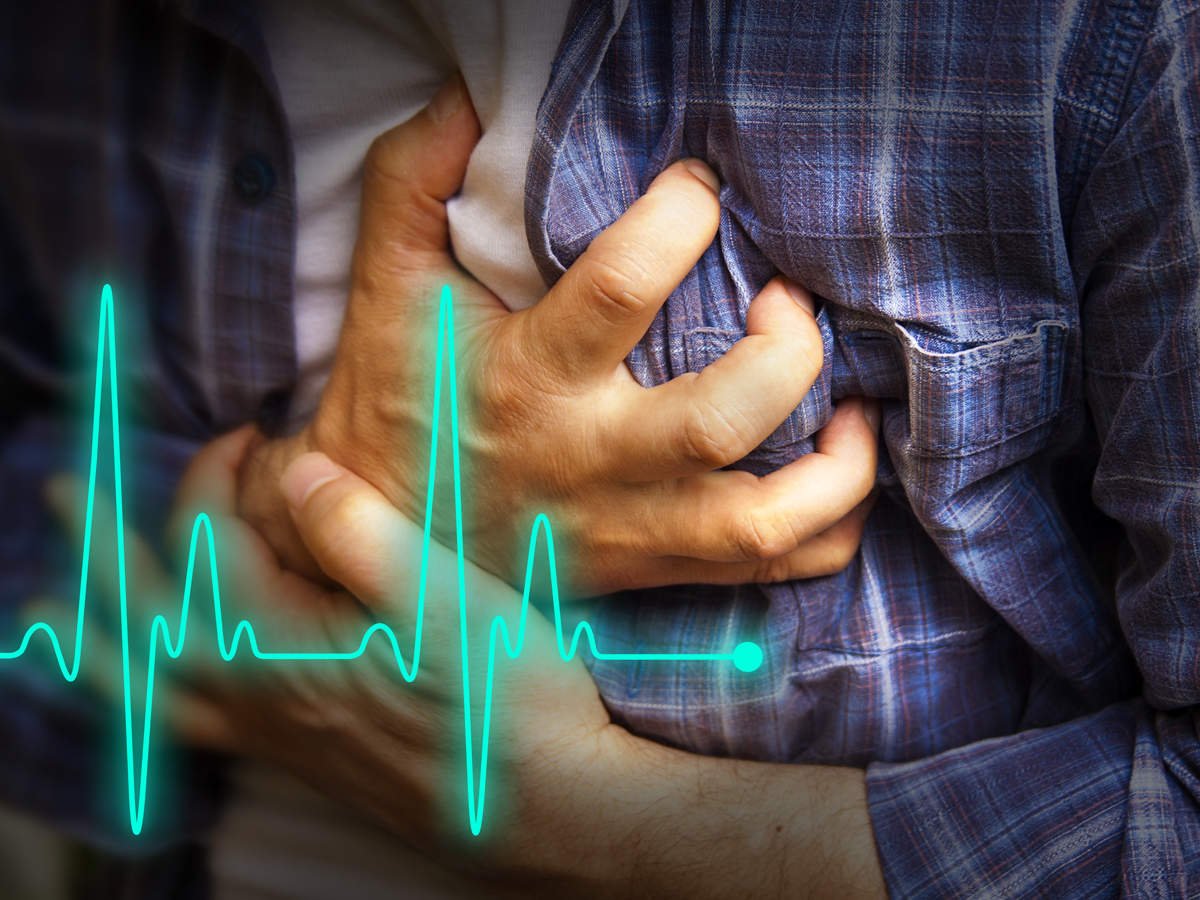
New Delhi, 29 December 2024: Winter is a challenging time for heart health. As temperatures drop, cases of heart attacks and other cardiovascular conditions tend to rise. According to the American Heart Association, cold weather can constrict blood vessels, increase blood pressure, and put additional strain on the heart. Moreover, winter often leads to reduced physical activity and higher stress levels, further compounding the risks.

Protecting your heart during winter is crucial. In this article, we outline the reasons behind the seasonal surge in heart conditions and provide practical tips to keep your heart healthy throughout the colder months.

Why Winter Impacts Heart Health

Reduced Physical Activity
Shorter days and colder temperatures discourage outdoor activities, leading to a sedentary lifestyle that negatively affects heart health.

Cold Weather Constricts Blood Vessels
Exposure to cold causes blood vessels to narrow, leading to increased blood pressure and a higher workload for the heart. This can exacerbate conditions like hypertension and increase the risk of heart attacks.

Increased Risk of Blood Clots
Cold temperatures make blood thicker, raising the likelihood of clot formation. This can lead to blockages in the arteries, a common cause of strokes and heart attacks.

Strenuous Activities in the Cold
Activities like shoveling snow or walking against cold winds can be more taxing on the heart than they appear. The combination of physical exertion and cold exposure increases the risk of cardiac events.

Seasonal Weight Gain
Winter often brings indulgence in calorie-rich comfort foods, contributing to weight gain, higher cholesterol levels, and increased cardiovascular strain.

10 Tips to Protect Your Heart in Winter

Dress Appropriately for the Cold

Stay Active Indoors

Maintain a Balanced Diet

Monitor Your Blood Pressure and Heart Rate

Avoid Sudden Strenuous Activities

Stay Hydrated

Get Regular Check-Ups

Limit Smoking and Alcohol Consumption

Use a Humidifier Indoors

Winter brings unique challenges for heart health, but with the right precautions, you can reduce the risks and keep your cardiovascular system in top shape. From staying warm and active to maintaining a balanced diet and managing stress, these tips can help you navigate the cold season without compromising your heart’s well-being.

Your heart works tirelessly to keep you healthy—protect it this winter by adopting heart-friendly habits and staying vigilant about potential risks.


Share
Written by
kirti Shah

Kirti is a Health Editor at Healthwire Media, specializing in health journalism and digital health communication. With over four years of experience in the healthcare media landscape, she is dedicated to transforming complex clinical data into accessible, patient-friendly information. Kirti oversees the editorial lifecycle of every article, ensuring they meet rigorous fact-checking standards and align with the latest guidelines from primary sources like the WHO and Ministry of Health. In her role, Kirti works closely with a panel of board-certified physicians and medical reviewers to ensure that every piece of content published is not only easy to understand but also medically accurate and safe for the public. She is passionate about health literacy and helping readers navigate their wellness journeys with confidence.

Leave a comment

Leave a Reply

Your email address will not be published. Required fields are marked *

Don't Miss

Signs Of Heart Attack
Cardiology

Heart Attack Symptoms Explained: Does the Pain Always Occur on the Left Side? Expert Reveals Warning Signs You Shouldn’t Ignore

In 2026, heart attacks are not limited to the elderly—young people are increasingly facing this serious condition. Before a heart attack occurs, the...

There are many microorganisms that directly harm the stomach.
Diet & NutritionLifestyle & Wellness

Viral gastroenteritis cases amid rising summer heatwave: Tips to protect yourself

As the temperature continues to rise, viral gastroenteritis also known as stomach flu spikes in Mysuru with reports indicating a sharp rise in...

Nephrology

Heatwave alert: How dehydration silently damages your kidneys and hidden risks you must not ignore

With the moderate increase in temperatures in India, the majority of the population is concentrating on being hydrated. Although dehydration is a key...

Lifestyle & Wellness

Pre-pregnancy obesity may raise child’s fatty liver risk by 3 times, warns expert

Planning a pregnancy often focuses on eating well, taking supplements, and going for regular check-ups. However, recent studies indicate that preconceptual health is...

Sir ganga ram hospital (SGRH)
Press Release

Sir Ganga Ram Hospital Celebrates 71st Founder’s Day; Delhi LG Shri Taranjit Singh Sandhu Graces the Occasion

New Delhi: Sir Ganga Ram Hospital celebrated its 71st Founder’s Day with great reverence and enthusiasm, commemorating the enduring legacy of its visionary...

Section title

Related Articles
Signs Of Heart Attack
Cardiology

Elevated Pulse Pressure May Signal Higher Heart Disease Risk

Pulse pressure is the difference between the top and bottom numbers of...

Health News

Eating Eggs Regularly May Help Lower Alzheimer’s Risk, New Study Suggests

A new study suggests that eating eggs regularly may be linked to...

Health News

Hantavirus Is Not Another Covid, But Why Experts Say It Still Deserves Attention

Hantavirus outbreak: Recent headlines around hantavirus have triggered concern, with many people...

High cholesterol
Cardiology

Cholesterol Levels in Your 40s: Expert Explains Ideal Numbers to Prevent Heart Attack and Stroke

Cholesterol Levels in Your 40s: High cholesterol has become a common health...