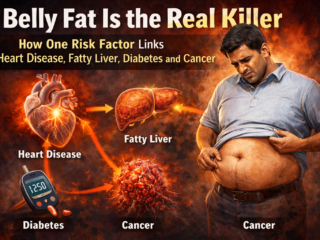
For many people today, weight loss feels far more difficult than it did a decade ago. Diets that once worked no longer show results, exercise feels exhausting, and the scale refuses to budge despite sincere effort. This struggle is not a personal failure—it reflects how modern lifestyles quietly disrupt the body’s biology. Hormonal imbalance, chronic stress, poor sleep, and a slowed metabolism have created what experts now call a “metabolism trap.”
The Hormonal Roadblock to Weight Loss
Weight regulation is not just about calories in versus calories out. Hormones play a central role in deciding whether your body burns fat or stores it.
- Insulin, which regulates blood sugar, becomes chronically elevated due to frequent snacking, sugary foods, and refined carbohydrates. High insulin signals the body to store fat, especially around the abdomen.
- Leptin, the hormone that tells your brain you are full, often stops working effectively in people with obesity—a condition known as leptin resistance. As a result, hunger persists even after eating enough.
- Ghrelin, the hunger hormone, increases with irregular eating and sleep deprivation, making cravings harder to control.
- Cortisol, the stress hormone, encourages fat storage when levels remain high for long periods.
When these hormones fall out of balance, weight loss becomes an uphill battle no matter how disciplined you are.
Chronic Stress: The Silent Weight Gainer
Modern life keeps the body in a near-constant state of stress. Long work hours, traffic, financial pressure, and digital overload activate the stress response repeatedly throughout the day.
When cortisol stays elevated:
- Fat storage increases, especially visceral fat
- Muscle breakdown accelerates, lowering metabolic rate
- Cravings for high-calorie comfort foods intensify
Stress also interferes with decision-making, making it harder to stick to healthy eating or exercise routines. Over time, stress-driven weight gain becomes self-perpetuating.
Poor Sleep Is Sabotaging Your Fat Loss
Sleep is one of the most overlooked factors in weight management. Adults who sleep fewer than six hours a night are significantly more likely to gain weight.
Lack of sleep:
- Raises ghrelin and lowers leptin, increasing hunger
- Worsens insulin resistance
- Reduces energy levels, lowering daily activity
- Disrupts growth hormone, which is essential for fat burning and muscle repair
Late-night screen exposure, erratic schedules, and work stress all interfere with deep, restorative sleep—silently slowing weight loss efforts.
The Metabolism Trap Explained
Metabolism naturally slows with age, but modern habits accelerate this process. Repeated crash dieting, extreme calorie restriction, and over-exercising send the body into survival mode.
In response, the body:
- Conserves energy by burning fewer calories
- Breaks down muscle instead of fat
- Becomes more efficient at storing calories as fat
This is why many people regain weight quickly after dieting. Their metabolism has adapted to expect scarcity, making long-term fat loss harder each time.
Ultra-Processed Foods and Metabolic Damage
The modern diet is packed with ultra-processed foods that confuse hunger signals. These foods are engineered to be calorie-dense, low in nutrients, and highly addictive.
They:
- Spike blood sugar rapidly
- Promote insulin resistance
- Alter gut bacteria linked to weight gain
- Increase inflammation that interferes with metabolism
Even when calorie intake seems controlled, poor food quality can prevent fat loss.
Gut Health and Weight Regulation
The gut microbiome plays a surprising role in body weight. An imbalance of gut bacteria can increase fat storage, reduce insulin sensitivity, and promote inflammation.
Factors damaging gut health include:
- Antibiotic overuse
- Low fiber intake
- Chronic stress
- Poor sleep
A compromised gut makes weight loss harder by affecting digestion, nutrient absorption, and appetite regulation.
Physical Activity Isn’t Enough Anymore
Exercise is essential for health, but it cannot compensate for hormonal imbalance and poor recovery. Long hours of sitting reduce metabolic flexibility, while excessive high-intensity workouts can increase cortisol.
Strength training is particularly important, as muscle tissue burns more calories at rest. Without it, metabolism continues to slow over time.
Environmental and Lifestyle Factors
Air pollution, endocrine-disrupting chemicals in plastics, and constant exposure to artificial light further interfere with metabolism and hormones. These factors contribute to weight gain even in people who eat reasonably well.
Breaking Free from the Metabolism Trap
Sustainable weight loss today requires a biological reset, not extreme discipline.
Key strategies include:
- Eating balanced meals with adequate protein and fiber
- Reducing ultra-processed foods
- Managing stress through movement, mindfulness, or breathing practices
- Prioritising 7–8 hours of quality sleep
- Building muscle through resistance training
- Avoiding crash diets and focusing on consistency
Weight loss is no longer just about willpower. It is about working with your hormones, protecting your metabolism, and creating an environment where your body feels safe enough to let go of excess weight.
In a world that constantly pushes the body out of balance, understanding these hidden forces may be the most powerful step toward lasting health.