

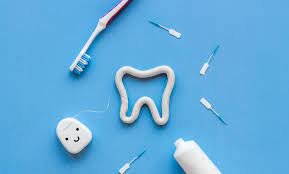
Oral health is about taking care of teeth, gums, and mouth. It is important as poor dental health can lead to dental issues such as cavities, gum disease and tooth loss. It is necessary for overall health, as it not only affects our ability to eat and speak but also impacts our systemic health.
Here is why oral health is important and how to maintain it:
- Preventing dental issues: Maintaining good dental hygiene can help hinder common dental issues like gum disease (gingivitis and periodontitis) and tooth decay (cavities). Frequent dental examinations, flossing, and brushing can help identify problems early on and treat them to stop them from getting worse.
- Preventing tooth loss: One of the main causes of adult tooth loss is gum disease. People can help avoid tooth loss and keep their natural smile by practicing proper oral hygiene and taking early action to address any indicators of gum disease, such as bleeding gums or gum recession.
- Removing food Particles and Bacteria that Cause Bad Breath: Using mouthwash, flossing, and brushing the teeth and tongue are some of the good oral hygiene practices that can reduce bad breath (halitosis).
- Enhancement of overall health: heart disease, diabetes, respiratory infections, and pregnancy difficulties are just a few of the systemic illnesses that have been connected to poor dental health. Keeping your mouth clean can lower your chance of developing some illnesses and improve your general health.
- Preservation of Natural Teeth: Natural teeth can last a lifetime if taken care of properly. This includes using fluoride toothpaste to brush your teeth twice a day, flossing every day, and scheduling routine checkups and professional cleanings at the dentist.
Follow some of these tips to maintain your oral health:
1. Brush your teeth twice a day: Using a soft-bristled toothbrush and fluoride toothpaste, brush your teeth at least twice a day. To get rid of plaque and bacteria, clean the tongue as well as all the teeth.
2. Floss Daily: Flossing helps get rid of food particles and plaque that a toothbrush may miss in the spaces between teeth and along the gum line. Every day, floss or use interdental cleaners to clean in between your teeth.
3. Keep drinking good amount of water: Water helps rinse away food particles and keeps your mouth hydrated
4. Eat less sugary and acidic food: Sugary and acidic foods and drinks should be avoided because they lead to erosion and tooth decay. Go for nutritious snacks like fruits and vegetables.
5. Quit Smoking and chewing Tobacco: The risk of gum disease, tooth decay, oral cancer, and other oral health issues is increased by tobacco use. Giving up smoking and chewing tobacco can greatly enhance overall health and dental health.
For your better oral health, keep visiting your dentist on a regular basis. Regular dental check-ups and cleaning are necessary for maintaining oral health and identifying any issues at the early stage and providing with the required treatment.














Leave a comment