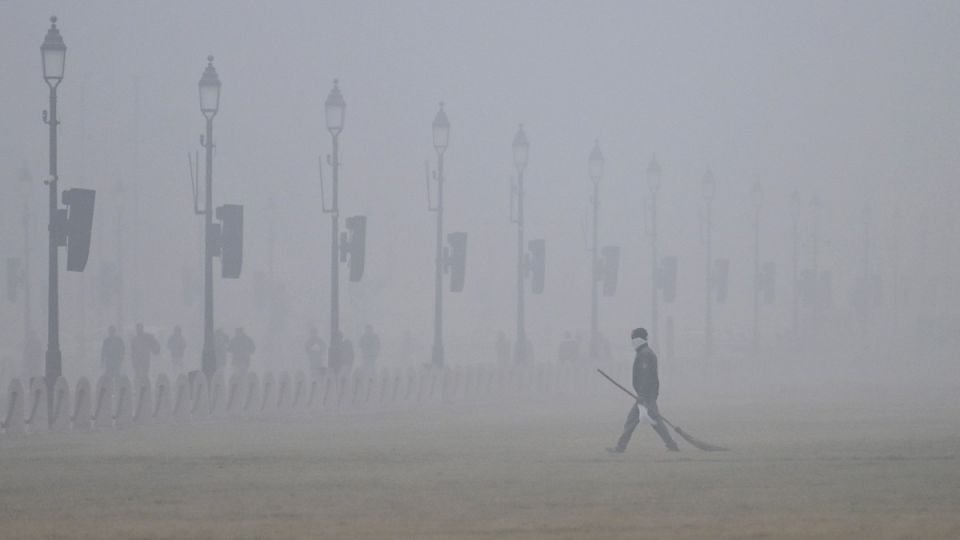
New Delhi, 23 December, 2025: Delhi once again finds itself gasping for breath as air pollution levels surge to hazardous levels, pushing authorities to take emergency measures. With thick smog blanketing the city and air quality plunging into the “severe” category, schools have been ordered to close and offices advised to shift to work from home, as officials scramble to protect public health.
Why the Situation Is Dangerous
Every winter, a deadly mix of factors turns Delhi’s air toxic — vehicle emissions, construction dust, industrial pollution, crop stubble burning in neighboring states, and unfavorable weather conditions that trap pollutants close to the ground. This year is no different. The result is an invisible health crisis affecting millions, especially children, the elderly, and those with existing heart or lung conditions.
Air pollution isn’t just an inconvenience; it’s a serious health threat. Prolonged exposure to polluted air can trigger asthma attacks, bronchitis, and chronic respiratory diseases. Doctors also warn of increased risks of heart attacks and strokes, as fine particulate matter (PM2.5) enters the bloodstream, causing inflammation and stress on the heart.Children are particularly vulnerable. Their lungs are still developing, and exposure to toxic air can lead to long-term health complications. This is why school closures are often among the first emergency steps taken when pollution levels spike.
What the Restrictions Mean
Schools closed to limit children’s exposure to hazardous air
Offices encouraged or ordered to work from home to reduce traffic and emissions
Construction activity restricted and dust-control measures tightened
Public advisories issued urging people to stay indoors as much as possible
While these steps may offer temporary relief, experts stress they are not long-term solutions.
How to Stay Safe During Severe Air Pollution
Until air quality improves, individuals can take practical steps to reduce health risks:Limit outdoor exposureAvoid morning walks, jogging, or outdoor workouts when pollution levels are highest.Use masks wiselyIf you must step outside, wear a well-fitted N95 or N99 mask. Regular cloth masks offer little protection against fine particles.Keep indoor air cleanKeep windows closed during peak pollution hours. Use air purifiers if available, especially in bedrooms and living areas.Stay hydrated and eat wellDrinking plenty of water helps flush toxins from the body. A diet rich in fruits, vegetables, and antioxidants can support lung health.
Watch for warning signsPersistent coughing, chest tightness, shortness of breath, dizziness, or eye irritation should not be ignored. Seek medical help if symptoms worsen.A Crisis That Demands Long-Term ActionDelhi’s annual pollution emergency is no longer a seasonal inconvenience — it’s a recurring public health disaster.
While school closures and work-from-home orders offer short-term protection, experts warn that lasting solutions require coordinated action, stricter emission controls, and sustainable urban planning.Until then, staying informed, cautious, and proactive remains the best defense as the capital struggles to breathe.