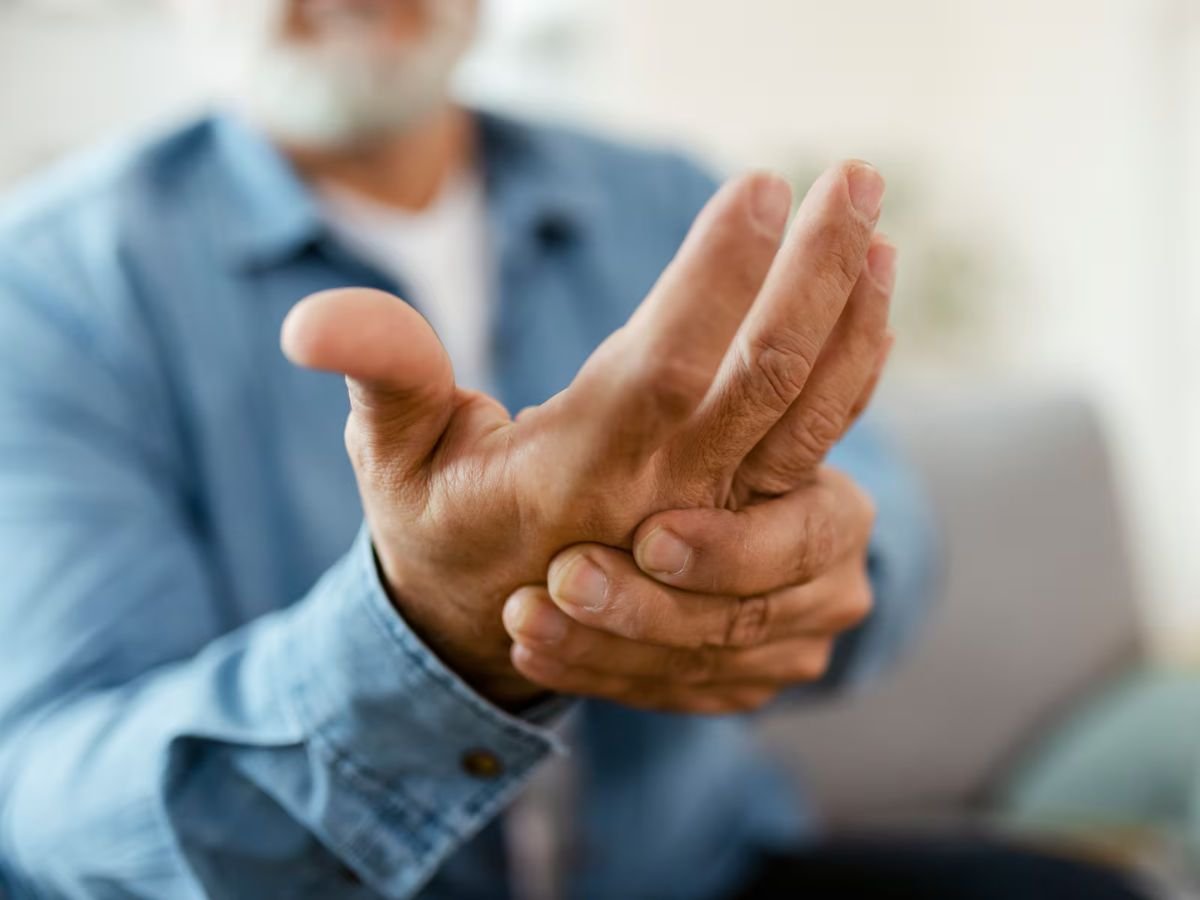
For decades, arthritis was seen as a condition of the elderly—a natural consequence of aging and wear-and-tear. However, recent trends indicate a sharp rise in arthritis among Indians in their 30s and 40s, transforming it into a pressing public health concern for the working-age population. Early-onset arthritis not only impacts mobility but also affects productivity, mental health, and overall quality of life.
The Changing Face of Arthritis in India
Arthritis is not a single disease but a group of conditions affecting the joints, including osteoarthritis, rheumatoid arthritis, psoriatic arthritis, and gout. Among these, osteoarthritis (OA) and rheumatoid arthritis (RA) are increasingly diagnosed in younger adults.
According to recent studies, over 20% of urban Indians in their 30s and 40s report joint pain severe enough to interfere with daily activities, a sharp increase from a decade ago. Sedentary lifestyles, obesity, poor posture, and chronic stress are major contributors to this trend.
Why Younger Indians Are at Risk
Several modern lifestyle factors have accelerated the onset of arthritis:
- Sedentary Jobs and Poor Posture: Long hours at desks, improper ergonomics, and minimal physical activity strain the joints, particularly in the spine, knees, and shoulders.
- Obesity: Excess body weight increases pressure on weight-bearing joints, accelerating cartilage wear and inflammation.
- High-Impact Activities and Sports Injuries: Recreational sports without proper conditioning can lead to joint injuries, setting the stage for early arthritis.
- Diet and Lifestyle: Diets high in sugar, refined carbs, and unhealthy fats contribute to systemic inflammation, a known factor in autoimmune forms of arthritis.
- Genetic Predisposition: Family history of arthritis can increase susceptibility, especially for autoimmune variants like rheumatoid arthritis.
Early Warning Signs Often Ignored
One reason young adults are being diagnosed later is that early symptoms are subtle. Common signs to watch for include:
- Stiffness in the morning lasting more than 30 minutes
- Persistent joint pain during or after activity
- Swelling, warmth, or redness in joints
- Reduced flexibility or range of motion
- Fatigue or general malaise (especially with rheumatoid arthritis)
Many people dismiss these signs as minor aches from exercise or long workdays, delaying diagnosis and treatment.
The Health Consequences of Ignoring Early Arthritis
If left untreated, early-onset arthritis can lead to:
- Joint deformities and permanent damage
- Chronic pain affecting mobility and daily function
- Loss of productivity at work due to limited movement or frequent sick days
- Mental health challenges, including depression and anxiety from persistent pain and disability
Arthritis is not merely a joint problem; it can become a systemic issue that affects the body, mind, and lifestyle.
Diagnosis and Management
Early diagnosis is crucial to slow disease progression. Diagnostic approaches may include:
- Clinical examination to assess joint swelling, range of motion, and tenderness
- Blood tests to detect inflammation markers (ESR, CRP) or autoimmune antibodies (RF, anti-CCP)
- Imaging: X-rays, MRI, or ultrasound to detect cartilage wear or joint damage
Treatment strategies for younger adults focus on reducing inflammation, preserving joint function, and improving quality of life:
- Medications: NSAIDs for pain relief, DMARDs for autoimmune arthritis, and corticosteroids in select cases
- Physical therapy: Targeted exercises to strengthen muscles around joints and maintain mobility
- Lifestyle changes: Weight management, balanced diet rich in anti-inflammatory foods, and regular low-impact exercise like swimming, walking, or yoga
- Surgical options: Reserved for advanced cases where joint damage is severe
Preventive Measures for Younger Adults
- Maintain a healthy weight to reduce joint stress
- Exercise regularly, focusing on both strength and flexibility
- Practice good posture, especially for desk jobs
- Follow an anti-inflammatory diet rich in omega-3s, fruits, and vegetables
- Avoid repetitive joint strain and use ergonomic aids when possible
- Seek early medical consultation if persistent joint pain or stiffness occurs
Key Takeaways
Arthritis is no longer a disease of old age. Its rising prevalence among Indians in their 30s and 40s underscores the importance of early recognition, lifestyle modification, and proactive medical management. By understanding the risk factors, listening to the body’s early warning signs, and adopting preventive measures, younger adults can protect their joints, maintain mobility, and preserve their long-term quality of life.
The message is clear: don’t ignore persistent joint pain—it could be the first sign of a condition that, if caught early, can be managed effectively.