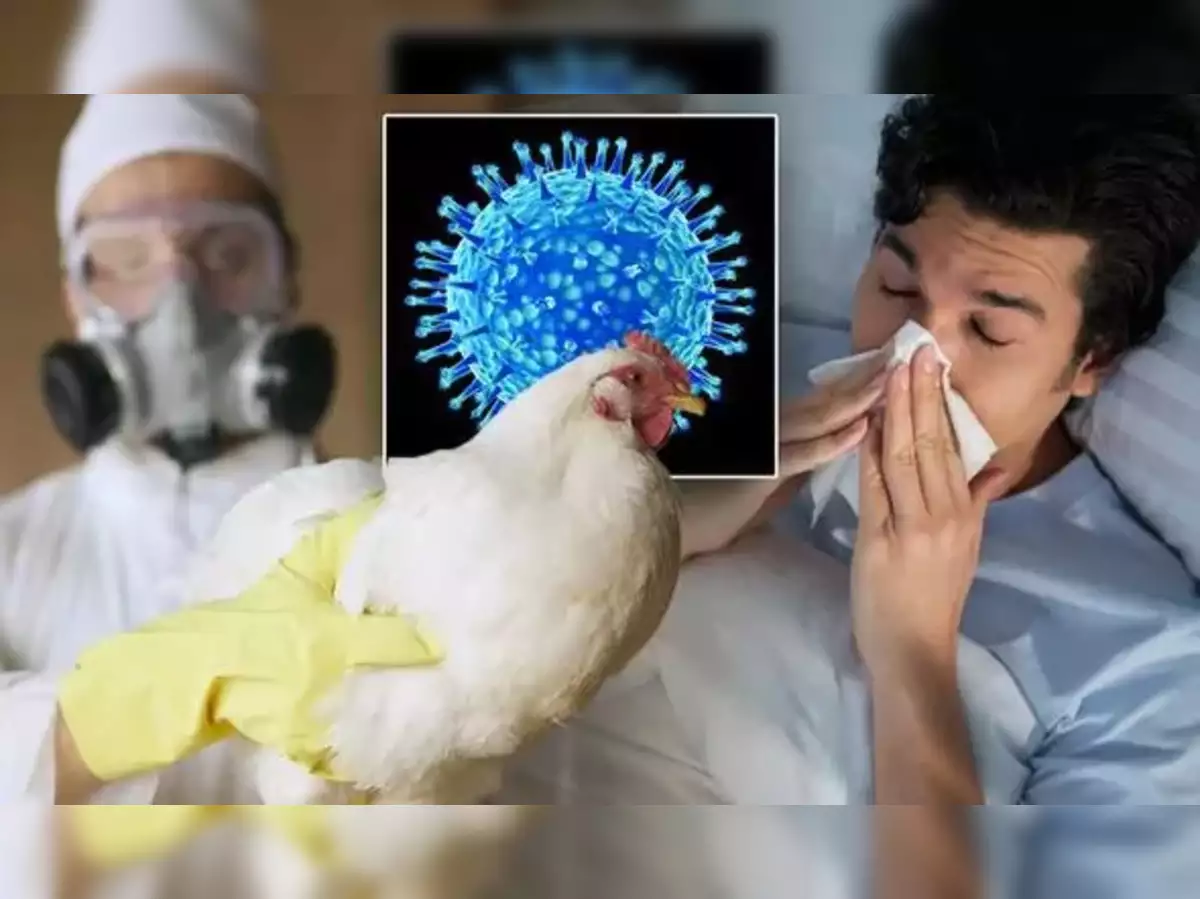
A wave of concern has gripped Chennai following reports linked to the H5N1 avian influenza virus, commonly known as bird flu. While health authorities have urged calm, the development has raised fresh questions about the virus’s potential risk to humans, the symptoms to watch for, and how people can protect themselves.
Medical experts stress that human infection remains rare, but awareness and early prevention are key to avoiding unnecessary panic and ensuring public safety.
What Is the H5N1 Virus?
H5N1 is a highly pathogenic strain of avian influenza that primarily affects birds, especially poultry. First detected in humans in 1997, the virus has since caused sporadic infections across Asia, Africa, and parts of Europe.
Dr. K. Suresh, a senior physician in Chennai, explains:
“H5N1 is mainly an animal disease. Human cases usually occur after close contact with infected birds or contaminated environments. It does not spread easily from person to person.”
Despite this, the virus is closely monitored by global health agencies due to its high fatality rate in rare human cases.
Why Is There a Scare in Chennai?
The recent alert in Chennai follows reports of avian influenza detected in birds, prompting authorities to step up surveillance in poultry farms, live bird markets, and surrounding areas.
Health officials clarified that:
- No confirmed human outbreak has been reported so far
- Rapid response teams are monitoring exposed individuals
- Poultry culling and disinfection measures are being enforced where needed
Dr. Suresh notes, “The concern is precautionary. Early action helps prevent spillover from birds to humans.”
How Does H5N1 Spread to Humans?
Human infection occurs through:
- Direct contact with infected birds (live or dead)
- Exposure to bird droppings or contaminated surfaces
- Handling or slaughtering infected poultry without protection
Consuming properly cooked poultry and eggs is considered safe, as the virus is destroyed by heat.
Importantly, sustained human-to-human transmission has not been documented, which limits the risk of a large outbreak.
Symptoms of H5N1 Infection
H5N1 symptoms often begin like seasonal flu but can progress rapidly. According to doctors, warning signs include:
- High fever
- Cough and sore throat
- Muscle aches and fatigue
- Shortness of breath
- Diarrhea or vomiting in some cases
In severe infections, patients may develop:
- Pneumonia
- Acute respiratory distress
- Organ failure
“Early medical attention can be lifesaving,” Dr. Suresh emphasizes.
Who Is at Higher Risk?
Certain groups face greater risk of exposure:
- Poultry workers and farm owners
- People visiting live bird markets
- Individuals handling sick or dead birds
- Those with weakened immunity
For the general public, the risk remains low unless there is direct exposure to infected birds.
Diagnosis and Treatment
Diagnosis involves laboratory testing of respiratory samples. While there is no specific vaccine widely available for H5N1 in humans, antiviral medications such as oseltamivir may be used in severe cases if administered early.
Treatment mainly focuses on:
- Supportive hospital care
- Managing breathing difficulties
- Preventing complications
Preventive Measures Recommended by Doctors
Doctors and health authorities advise the following precautions:
1. Avoid Direct Contact With Birds
- Do not touch sick or dead birds
- Report unusual bird deaths to authorities
2. Practice Food Safety
- Cook poultry and eggs thoroughly
- Wash hands after handling raw meat
3. Maintain Personal Hygiene
- Wash hands frequently with soap and water
- Use masks and gloves when handling birds
4. Stay Informed
- Follow updates from health departments
- Avoid misinformation and panic
5. Seek Early Medical Care
- Anyone with flu-like symptoms and bird exposure should consult a doctor immediately
Public Health Response in Chennai
The Tamil Nadu Health Department has:
- Activated disease surveillance units
- Increased testing capacity
- Coordinated with veterinary departments
- Issued advisories to poultry traders and farmers
Authorities emphasize that preparedness does not mean an outbreak is imminent, but rather reflects lessons learned from previous epidemics.
Should the Public Be Worried?
Medical experts urge calm. Dr. Suresh explains: “There is no evidence of widespread risk. Awareness and basic hygiene are enough for most people. Panic does more harm than the virus itself.”
Global health agencies, including the WHO, continue to monitor avian influenza strains for any mutations that might increase human transmission.
Key Highlights
The H5N1 virus scare in Chennai highlights the importance of early surveillance, public awareness, and preventive action. While the virus can be severe in rare cases, the risk to the general population remains low when precautions are followed.
As Chennai remains on alert, health experts stress that knowledge is the best defense. Avoiding direct contact with birds, practicing food safety, and seeking timely medical care can significantly reduce risk.
The current situation serves as a reminder that zoonotic diseases require constant vigilance—but not fear. With strong public health systems and informed citizens, the threat of H5N1 can be effectively managed.