

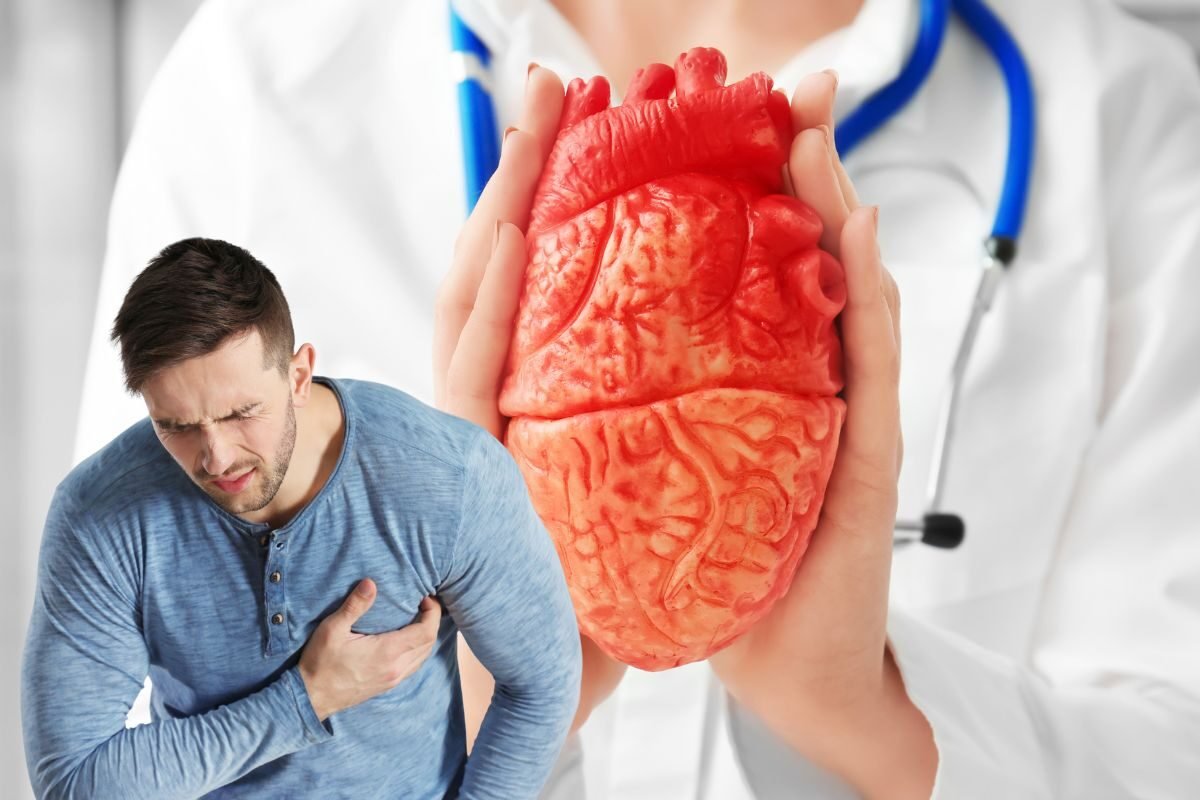
New Delhi, 13 October, 2025: As temperatures drop and winter sets in, hospitals often see a notable increase in heart attack cases. While many associate heart attacks with older adults or those with pre-existing heart conditions, research shows that even relatively healthy individuals face elevated risks during colder months. Understanding why heart attacks spike in winter — and taking proactive measures — can save lives.
The Winter-Heart Attack Connection
Multiple studies have shown that heart attacks are significantly more common in winter. Some data suggest a 10–25% increase in myocardial infarctions (heart attacks) during the colder months compared to summer. But what drives this seasonal spike? Experts point to a combination of cold temperatures, lifestyle changes, and physiological responses.
1. Cold Weather and Blood Pressure
Exposure to cold temperatures triggers the body’s natural survival response: constricting blood vessels to preserve heat. While this is essential for keeping the core warm, it also raises blood pressure and increases the workload on the heart.
- Constricted arteries make it harder for blood to flow efficiently.
- The heart must pump harder, increasing oxygen demand.
- In people with plaque buildup, the strain can trigger a blockage, leading to a heart attack.
Even a mild winter chill can have a noticeable impact on cardiovascular health, especially in older adults or those with hypertension.
2. Increased Blood Clotting
Cold weather can make your blood more prone to clotting. When the body is exposed to lower temperatures, several changes occur:
- Blood becomes thicker due to higher viscosity.
- Platelet count and activity may increase, raising the risk of clot formation.
- These clots can block coronary arteries, causing heart attacks.
This explains why some otherwise healthy individuals may suffer heart attacks during sudden cold snaps.
3. Seasonal Infections and Inflammation
Winter brings an increase in respiratory infections, such as flu and pneumonia, which can indirectly elevate heart attack risk.
- Infections trigger systemic inflammation, which can destabilize arterial plaques.
- The body’s immune response increases heart workload, especially in vulnerable individuals.
- Fever, coughing, and dehydration further strain the cardiovascular system.
Studies show that heart attack rates often rise during flu season, highlighting the importance of vaccinations and preventive care.
4. Lifestyle Changes in Winter
During colder months, lifestyle habits often shift in ways that strain the heart:
- Reduced physical activity: Shorter days and cold weather discourage outdoor exercise, lowering cardiovascular fitness.
- Dietary changes: People tend to consume heavier, calorie-rich meals, increasing cholesterol and blood sugar levels.
- Holiday stress: Emotional stress, disrupted routines, and overindulgence can trigger heart events.
- Alcohol consumption: Winter celebrations and holiday parties often include higher alcohol intake, which can raise blood pressure and heart rate.
Even small changes in daily habits can combine with physiological stressors to increase the risk of heart attacks in winter.
5. Cold-Induced Heart Strain
Shoveling snow, brisk outdoor activity, or even walking in icy conditions can suddenly increase heart workload.
- Physical exertion in cold weather can spike blood pressure and heart rate.
- Cold air can constrict coronary arteries, reducing oxygen supply to the heart.
- Sudden exertion in vulnerable individuals may precipitate a heart attack.
Medical professionals often warn that seemingly routine winter tasks like snow shoveling are surprisingly risky for people with heart conditions.
Recognizing Heart Attack Symptoms
Winter can sometimes mask or delay the recognition of heart attack symptoms. Typical signs include:
- Chest pain or pressure, often radiating to the arm, jaw, or back
- Shortness of breath
- Dizziness, lightheadedness, or fainting
- Nausea or vomiting
- Cold sweats
Warning: Women, older adults, and people with diabetes may experience atypical symptoms, such as fatigue or indigestion, instead of classic chest pain. Prompt medical attention is critical — don’t wait, even if symptoms seem mild.
How to Protect Your Heart in Winter
While you cannot control the weather, you can take steps to reduce your heart attack risk during winter.
1. Keep Warm
- Dress in layers to retain body heat.
- Wear hats, gloves, and scarves to protect extremities.
- Limit exposure to extreme cold and avoid sudden outdoor exertion in frigid conditions.
Keeping the body warm helps prevent blood vessel constriction and reduces strain on the heart.
2. Maintain Physical Activity
- Engage in indoor exercises, such as treadmill walking, yoga, or resistance training.
- If exercising outdoors, warm up slowly and avoid overexertion.
- Aim for at least 150 minutes of moderate activity per week to maintain cardiovascular health.
Regular movement keeps the heart strong and reduces winter-related risk factors.
3. Eat Heart-Healthy Foods
- Emphasize fruits, vegetables, whole grains, lean proteins, and healthy fats.
- Limit salty, fried, and processed foods, which can raise blood pressure.
- Avoid overindulgence during holidays; moderate portion sizes help control cholesterol and weight gain.
A balanced diet supports heart health and prevents winter-related weight spikes that stress the cardiovascular system.
4. Manage Stress
- Practice relaxation techniques such as meditation, deep breathing, or gentle stretching.
- Avoid overexertion and plan holiday activities to minimize stress.
- Stay connected with friends and family to reduce emotional strain.
Lowering stress helps reduce cortisol levels and protects the heart from unnecessary strain.
5. Monitor Health Closely
- Check blood pressure regularly, especially if you have hypertension.
- Keep track of cholesterol and blood sugar levels.
- Take prescribed medications consistently, even in winter.
- Get vaccinated against flu and pneumonia, as infections increase heart risk.
Preventive care and monitoring help detect early warning signs and prevent complications.
6. Avoid Alcohol Overload and Smoking
- Excessive alcohol raises blood pressure and heart rate.
- Smoking damages blood vessels and reduces oxygen supply to the heart.
- Moderation and cessation reduce winter heart attack risk significantly.
Special Considerations for High-Risk Groups
Some populations are particularly vulnerable to winter heart attacks:
- Older adults: Reduced thermoregulation and pre-existing conditions increase risk.
- People with hypertension, diabetes, or heart disease: Cold stress exacerbates existing cardiovascular problems.
- Smokers and sedentary individuals: Both lifestyle factors magnify winter risk.
High-risk individuals should consult healthcare providers for tailored guidance and avoid sudden exposure to extreme cold.
Seasonal Precautions for Everyday Life
- Warm up before physical activity outdoors.
- Limit strenuous activities like shoveling snow; consider hiring help.
- Ensure your home is heated adequately and dress appropriately indoors.
- Keep emergency contacts and medications accessible.
- Be aware of symptoms and seek immediate care if chest discomfort or unusual fatigue occurs.
Simple preventive measures can significantly reduce winter-related cardiovascular events.
Winter Requires Extra Vigilance
Winter may be beautiful, but the cold months also carry hidden cardiovascular risks. Blood vessel constriction, thickened blood, seasonal infections, lifestyle changes, and sudden physical exertion combine to increase heart attack incidence during this season.
Awareness is the first step in prevention. By staying warm, exercising wisely, eating heart-healthy foods, managing stress, and monitoring your health, you can protect yourself and your loved ones from seasonal heart risks.
Remember: heart attacks can happen to anyone, even in seemingly healthy individuals, so vigilance and precaution are essential. Early recognition of symptoms and immediate medical attention can save lives — winter should not be a season of risk, but a season of mindful heart care.
















Leave a comment