

New Delhi, 10 December 2024: The World Health Organization (WHO) has issued urgent warnings following the outbreak of the Marburg virus in several African countries. The virus, which is part of the same family as the Ebola virus, is highly contagious and can be fatal if not treated promptly. Health officials are on high alert, and the global community is being urged to take preventive measures to avoid further spread.
What is Marburg Virus?
Marburg virus is a rare and often deadly virus that causes hemorrhagic fever. It was first identified in 1967 when outbreaks occurred simultaneously in Marburg and Frankfurt, Germany, and in Belgrade, Yugoslavia. The virus is transmitted to humans from fruit bats, which are the primary reservoir, and can also spread through contact with bodily fluids from an infected person, including blood, vomit, and stool. Marburg’s symptoms are similar to those of other hemorrhagic fevers, including fever, chills, muscle aches, vomiting, and diarrhea, followed by severe bleeding, organ failure, and, in many cases, death.
Recent Outbreaks and WHO’s Response
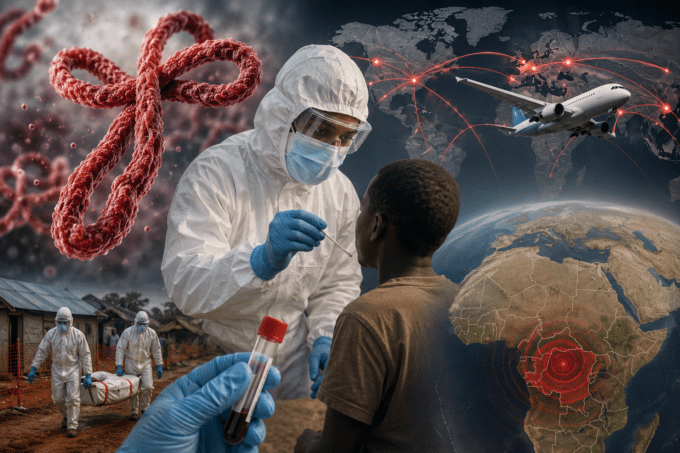
The most recent outbreak of the Marburg virus occurred in Equatorial Guinea and has raised significant concern due to the rapid transmission of the virus in affected areas. In response, the WHO has mobilized teams to contain the virus and prevent its spread to neighboring countries. As of now, there have been confirmed cases and fatalities, but health experts are working to track the virus and implement containment measures, such as contact tracing and quarantine protocols.
The WHO has emphasized the importance of early detection and swift isolation of infected individuals to control the outbreak. Furthermore, it has recommended that travelers from affected regions be closely monitored to prevent international transmission. Health authorities are also advising people to avoid contact with fruit bats, which are believed to be the primary carriers of the virus.
Symptoms of Marburg Virus (MARV)
The symptoms of Marburg virus typically begin suddenly and can progress rapidly. Early signs include fever, headache, muscle pain, and malaise. As the disease progresses, patients may experience vomiting, diarrhea, and abdominal pain, followed by internal and external bleeding, including hemorrhaging from the eyes, gums, and skin. In severe cases, organ failure can occur, leading to death within a week of infection.
The incubation period for the Marburg virus can range from 2 to 21 days, with symptoms appearing within five to ten days after exposure. Due to the severity of the symptoms and the rapid progression of the illness, timely medical intervention is crucial for improving survival rates.
MARV Virus: Preventive Measures and Treatment
Currently, there are no specific antiviral treatments or vaccines available for Marburg virus. Treatment is supportive, aiming to manage symptoms and maintain organ function. This includes rehydration, blood transfusions, and the administration of pain relief. Researchers are working on developing vaccines and treatments, but progress has been slow due to the rarity of the virus.
To prevent the spread of Marburg, the WHO has advised strict infection control measures in healthcare settings, including the use of personal protective equipment (PPE), isolation of infected individuals, and proper disposal of contaminated materials. People in affected regions are also urged to avoid contact with wild animals, particularly fruit bats, and to report any suspected cases of illness to health authorities immediately.
The Marburg virus poses a significant public health risk, especially in areas with limited healthcare infrastructure. Although outbreaks have been rare, their impact can be devastating. The WHO continues to monitor the situation and has expressed concerns about the potential for the virus to spread to other regions. As part of the global response, international health organizations are working with local authorities to contain the virus and provide resources for diagnosis, treatment, and prevention.
As of now, the focus remains on controlling the outbreak in Equatorial Guinea and ensuring that neighboring countries are prepared for any potential cases. Global travelers are urged to exercise caution and follow health advisories when visiting affected regions.
Read Also – RG Kar Tragedy: Judicial Custody of Sandip Ghosh and Abhijit Mondal Extended Till December 13
The Marburg virus is a highly dangerous disease that requires immediate attention and action. With no specific treatment or vaccine available, prevention through early detection and strict control measures is the best defense. The WHO’s warnings highlight the global importance of staying informed about the virus and following health guidelines to prevent its spread. As the situation develops, it is essential that international and local efforts remain coordinated to protect public health and prevent a wider outbreak.














Leave a comment