

The World Health Organization today called on countries in the WHO South-East Asia Region to accelerate access to rehabilitative and assistive technology services, crucial for enhancing quality of life and community participation.
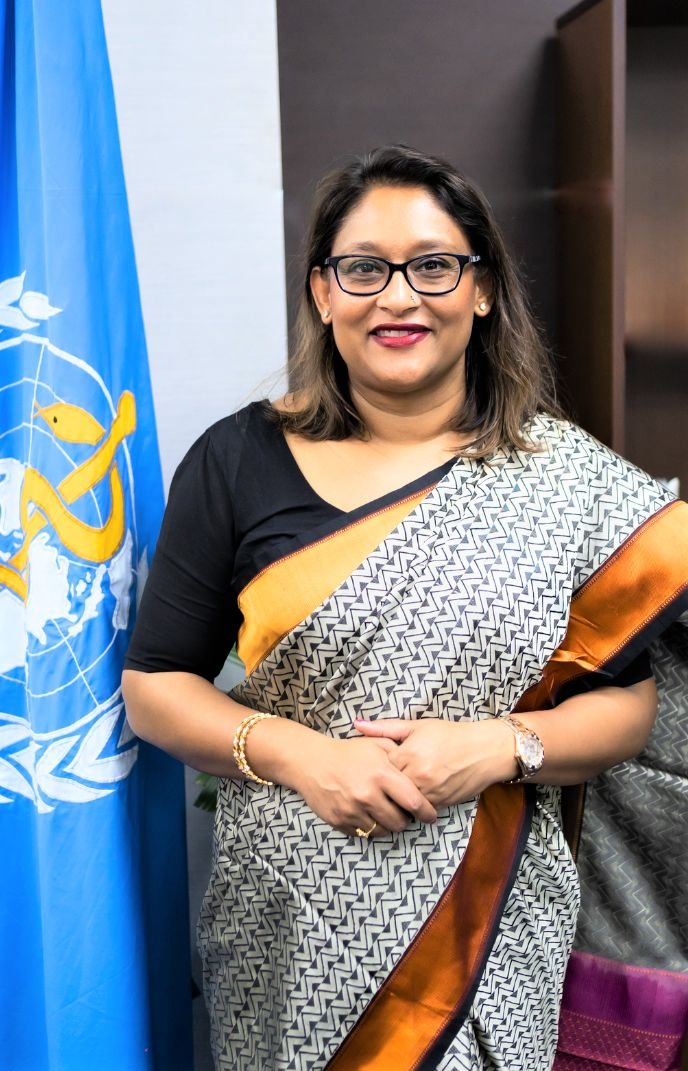
“Rehabilitation services encompass a wide range of essential support systems, from physical therapy for injury recovery to counselling for mental health and addiction recovery. These services are not merely about medical treatment; they are about restoring dignity, hope, and the ability to participate fully in society,” said Saima Wazed, Regional Director, WHO South-East Asia, in her message at the ‘Regional Meeting on Accelerating Access to Rehabilitation in South-East Asia’ being held in Dhaka. Emphasizing the urgency of the situation, she added, “The last 20 year’s trends depicts that the need for rehabilitation is increasing in South-East Asia region, and will further elevate in coming years, given the increasing prevalence of conditions associated with ageing and noncommunicable diseases (NCDs).”
Approximately 590 million people in the Region require rehabilitation services. The greatest needs are for conditions such as low back pain, vision loss, fractures, and chronic obstructive pulmonary disease.
Rehabilitation is a set of interventions designed to optimize functioning and reduce disability in individuals with health conditions in interaction with their environment.
Primary healthcare facilities often lack sufficient rehabilitation services and benefit packages offer inadequate coverage. Additionally, there is a significant shortage of healthcare professionals in this field.
Highlighting the importance of identifying and leveraging new opportunities, the Regional Director called for integrating basic rehabilitation into routine health services and expanding innovative care models to ensure equitable access, especially for those in remote areas.
“People and communities must be engaged and empowered, with a focus on increasing health literacy and enhancing demand for rehabilitation services, including assistive technologies,” said Ms Wazed.
Persons with disabilities are disproportionately affected by public health emergencies and face significant inequalities across various spheres. They are more likely to live in poverty, have risk factors for noncommunicable diseases, and lack access to essential health services.
Strengthening, and strategically positioning the rehabilitation workforce along with addressing gaps is crucial. Rehabilitation services should be integrated with programs addressing NCDs, mental health, healthy ageing, and services for managing humanitarian crises and health emergencies and fostering disability inclusion across sectors, emphasized Ms Wazed.
Governance and data must be improved, with monitoring frameworks in place. Strengthening financial risk protection and leveraging technology like telemedicine, mobile health apps, and wearable devices can be used to overcome distance and cost barriers and extend rehabilitation services to underserved and remote communities.
At the three-day regional meeting, officials, program managers, rehabilitation experts from academic institutions and hospitals, international partners, and NGOs will discuss and deliberate over models of rehabilitation and assistive technologies with country-specific examples, challenges faced, and opportunities. They will also help firm up the ‘Framework on Provisioning Rehabilitation Services in the Region’ that aims to guide Member countries enhance these critical services.
Describing this as a pivotal opportunity to transform health, well-being, and livelihoods, especially for the most marginalized and those left furthest behind, Ms Wazed emphasized the need to challenge the stigma surrounding disability, injury, and mental health issues. “By fostering a culture of empathy, understanding, and inclusion we can create a society where individuals feel empowered to seek help without fear of judgment or discrimination. And to mitigate the vast, inequitable, and rising costs of rehabilitation services in all countries of the Region, promoting sustainable social and economic development,” the Regional Director said.
















Leave a comment