

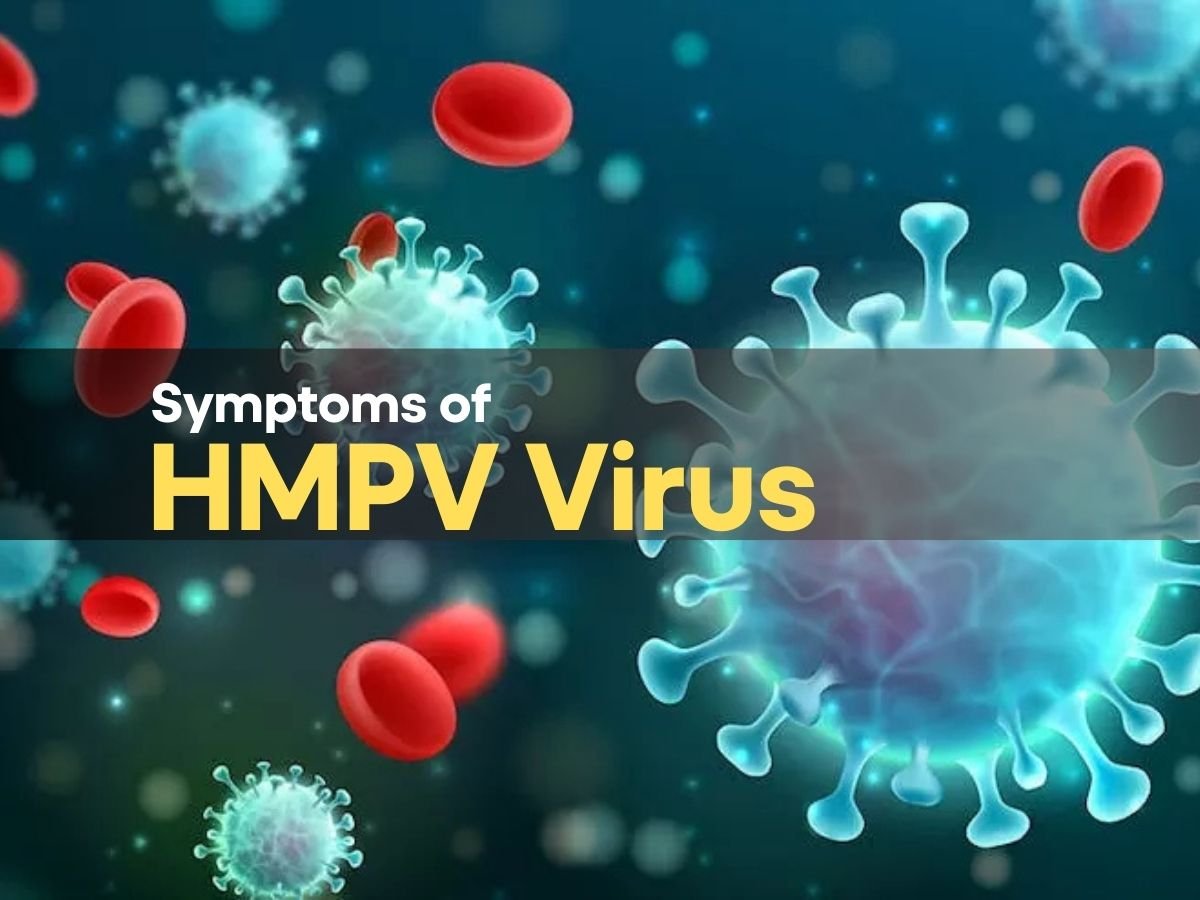
A respiratory virus known as Human Metapneumovirus (HMPV) is drawing increased attention as cases rise across parts of the United States. Often overshadowed by more widely known infections like influenza and COVID-19, HMPV is not new—but its recent surge is raising concerns among health experts, particularly for vulnerable populations such as young children, older adults, and those with weakened immune systems.
What Is HMPV?
Human Metapneumovirus (HMPV) is a respiratory virus that belongs to the same family as respiratory syncytial virus (RSV). First identified in 2001, HMPV has likely been circulating among humans for decades. It primarily affects the upper and lower respiratory tract and is known to cause illnesses ranging from mild cold-like symptoms to more severe respiratory complications.
The virus spreads through respiratory droplets when an infected person coughs or sneezes. It can also be transmitted through close contact, such as touching contaminated surfaces and then touching the face, especially the nose, mouth, or eyes.
Why Is HMPV Surging in the US?
Health experts attribute the recent increase in HMPV cases to seasonal patterns, similar to other respiratory viruses. The virus tends to circulate more during late winter and early spring. However, shifts in immunity following the COVID-19 pandemic, along with increased social interactions and reduced mask usage, may also be contributing factors.
Additionally, better surveillance and testing methods are now detecting more cases that may have previously gone unnoticed or been misdiagnosed as the common cold or flu.
Symptoms of HMPV Infection
HMPV symptoms often resemble those of a typical cold, making it difficult to distinguish without testing. Common symptoms include:
- Runny or blocked nose
- Cough
- Fever
- Sore throat
- Shortness of breath
- Fatigue
In most healthy individuals, symptoms are mild and resolve within a few days. However, in high-risk groups, HMPV can lead to more serious conditions such as bronchitis or pneumonia.
Who Is Most at Risk?
While HMPV can infect people of all ages, certain groups are more vulnerable to severe illness:
- Infants and young children
- Adults aged 65 and above
- People with chronic respiratory conditions like asthma or COPD
- Individuals with weakened immune systems
For these groups, early detection and medical care are essential to prevent complications.
How Is HMPV Diagnosed?
Diagnosis of HMPV typically requires laboratory testing, such as a PCR (polymerase chain reaction) test, which can detect viral genetic material. Since symptoms overlap with other respiratory infections, healthcare providers may recommend testing to rule out influenza, COVID-19, or RSV.
Is There a Treatment for HMPV?
Currently, there is no specific antiviral treatment or vaccine available for HMPV. Most cases are managed with supportive care, which includes:
- Adequate rest
- Staying hydrated
- Over-the-counter medications to reduce fever and relieve symptoms
In severe cases, particularly in high-risk individuals, hospitalisation may be required for oxygen support or other medical interventions.
How to Prevent HMPV Infection?
Preventive measures for HMPV are similar to those recommended for other respiratory viruses:
- Wash hands frequently with soap and water
- Avoid close contact with sick individuals
- Cover mouth and nose while coughing or sneezing
- Avoid touching your face with unwashed hands
- Stay home when feeling unwell
Wearing masks in crowded or high-risk environments can also help reduce transmission, especially during peak viral seasons.
What Are The Most Dangerous Symptoms?
While mild symptoms can be managed at home, medical attention should be sought if you or a loved one experiences:
- Difficulty breathing
- Persistent high fever
- Chest pain
- Symptoms worsening over time
Early medical intervention can help prevent complications, particularly for vulnerable individuals.
The recent surge in HMPV cases serves as a reminder that respiratory viruses continue to pose health risks beyond COVID-19 and influenza. While most infections are mild, awareness and preventive measures are key to reducing transmission and protecting high-risk populations.
Disclaimer: This article is for informational purposes only and is published by Healthwiremedia.com. It is not intended to replace professional medical advice, diagnosis, or treatment. Always consult a qualified healthcare provider with any questions regarding a medical condition or symptoms.













Leave a comment