

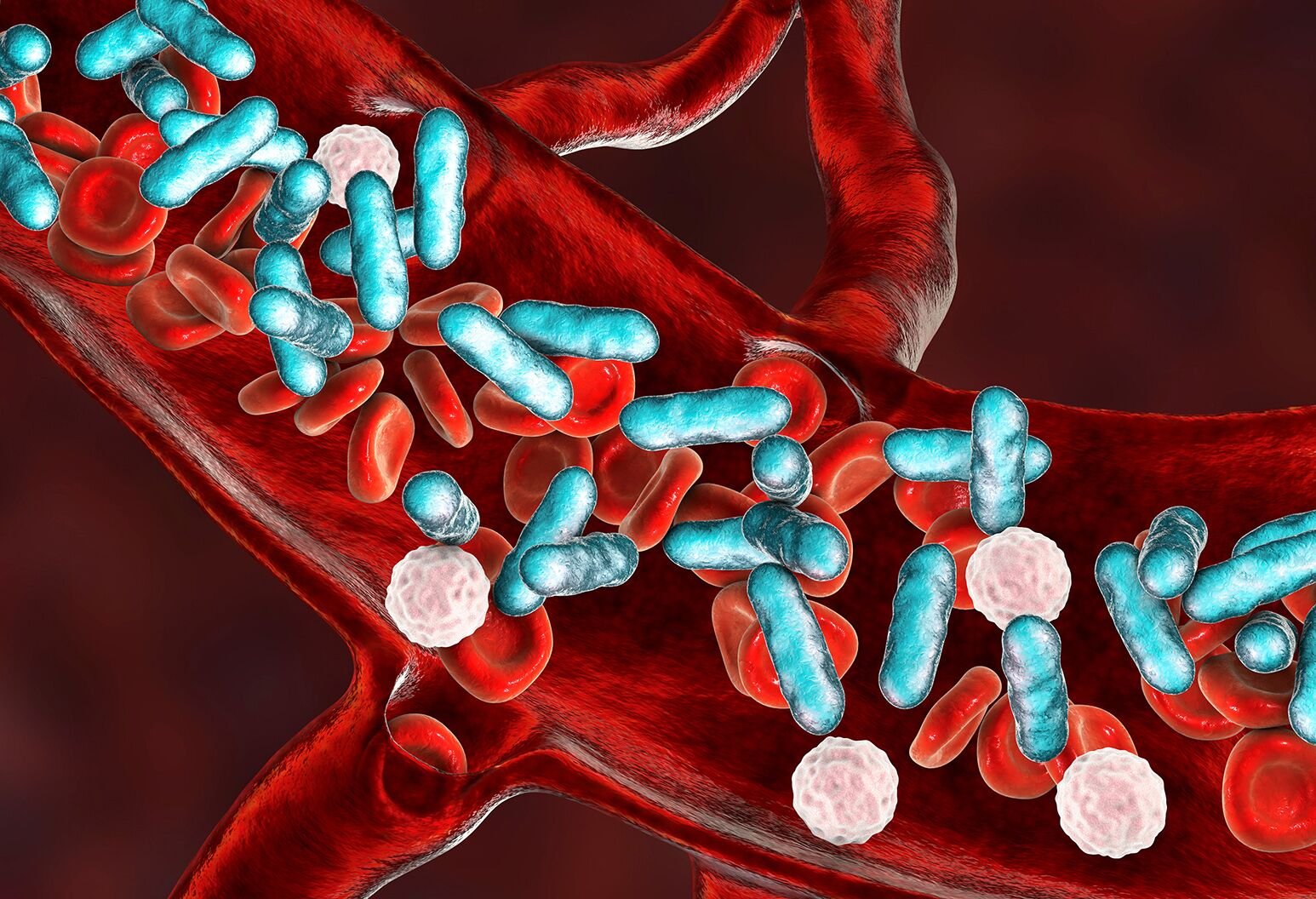
Many people tend to ignore minor health problems such as fever, cough, urinary infections, or small wounds that develop infections. However, doctors emphasize that infections should never be treated as minor issues like a common cold or fever. Proper and timely treatment is essential because some infections remain in the body until the full course of treatment is completed. In certain cases, infections can even progress into serious medical conditions.
One such dangerous condition is Sepsis, which can become life-threatening if not treated promptly. Saifa M. Latheef, Clinical Head of Emergency Medicine at Sharda Care Healthcity in Greater Noida, shared important insights about this condition.
Often, people overlook symptoms such as mild infections, fever, cough, wounds, or urinary issues, assuming they are minor. However, these seemingly small infections can sometimes develop into a serious condition called sepsis. Sepsis occurs when the body reacts excessively to an infection, causing damage to its own organs. If treatment is delayed, it may progress to Septic Shock, a life-threatening medical emergency.
What Is Sepsis and How Does It Develop?
Sepsis is a serious medical condition that occurs when the body’s immune system overreacts to an infection. Infections that may trigger sepsis include Pneumonia, Urinary Tract Infection, abdominal infections, or infected wounds.
When the immune system responds excessively, inflammation spreads rapidly throughout the body. This widespread inflammation can disrupt blood circulation and affect vital organs such as the Kidneys, Lungs, Heart, and Brain, preventing them from functioning properly.
People with weaker immune systems face a higher risk of sepsis. This includes:
- elderly individuals
- young children
- people with Diabetes
- cancer patients
- individuals hospitalized for long periods
- people taking medications for autoimmune diseases
Symptoms You Should Never Ignore
Sepsis is a life-threatening medical emergency. What makes it particularly dangerous is that its early symptoms often resemble common infections. Because of this, many people ignore the warning signs.
However, certain symptoms during an infection should never be overlooked:
- high fever or abnormally low body temperature
- difficulty breathing or rapid breathing
- unusually fast heartbeat
- extreme weakness or confusion
- reduced urination or sudden drop in blood pressure
If these symptoms appear during an infection, immediate medical attention is essential. Early treatment in an emergency setting can prevent severe complications caused by sepsis.
Why Prevention and Timely Treatment Matter
The best way to prevent sepsis is to identify infections early and treat them properly. No infection should be taken lightly, especially if symptoms continue to worsen.
You can reduce the risk of sepsis by following these precautions:
- seek timely medical treatment for infections
- keep wounds clean and properly cared for
- complete vaccinations on time
- manage chronic conditions such as diabetes
- always complete the full course of prescribed medications for infections
Sepsis is a medical emergency, which makes understanding its symptoms and seeking prompt medical help extremely important. With timely treatment, serious complications can often be prevented and lives can be saved.
Increasing awareness and taking even minor infections seriously are crucial steps toward preventing sepsis.
Disclaimer: Dear readers, this article provides general information and advice only. It should not be considered a substitute for professional medical consultation. For more information, always consult a qualified healthcare professional or your doctor.










Leave a comment