

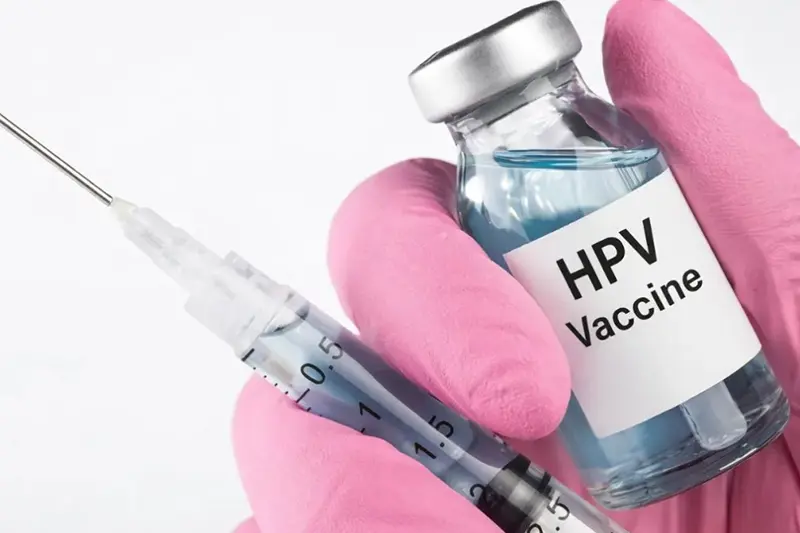
Cervical cancer remains one of the most preventable yet still common cancers affecting women worldwide. Despite the availability of a safe and effective vaccine, many people remain hesitant due to widespread myths, misinformation, and social stigma surrounding the Human Papillomavirus (HPV) Vaccine.
Health experts say misinformation is one of the biggest barriers preventing people from getting vaccinated against Human Papillomavirus, a virus responsible for nearly all cases of Cervical Cancer. The vaccine has the potential to dramatically reduce cervical cancer cases, yet myths continue to discourage many parents and young adults from choosing it. To clear the confusion, doctors and public health experts are addressing the most common myths and explaining the scientific facts behind the HPV vaccine.
What Is HPV and Why Is the Vaccine Important?
Human Papillomavirus (HPV) is one of the most common sexually transmitted infections in the world. Most people will be exposed to HPV at some point in their lives, often without knowing it. While many HPV infections clear on their own, certain high-risk strains can lead to cancers, including:
- Cervical Cancer
- Anal cancer
- Throat cancer
- Penile cancer
- Vaginal and vulvar cancers
The Human Papillomavirus (HPV) Vaccine protects against the most dangerous HPV strains that cause the majority of cervical cancer cases. It works by helping the immune system recognize and fight the virus before infection occurs. However, misconceptions about the vaccine still create fear and hesitation among many families.
HPV Vaccine Myths vs Facts
Myth 1: The HPV Vaccine Is Only for Girls
One of the most common misconceptions is that the vaccine is only necessary for girls.
Fact
The HPV vaccine is recommended for both boys and girls. While it is widely known for preventing Cervical Cancer in women, HPV can also cause several cancers in men, including throat, anal, and penile cancers.
Vaccinating boys helps:
- Protect them from HPV-related cancers
- Reduce transmission of the virus
- Improve community-wide protection through herd immunity
Many health authorities now recommend HPV vaccination for adolescents regardless of gender.
Myth 2: The HPV Vaccine Encourages Early Sexual Activity
Some parents worry that vaccinating children against HPV might encourage them to become sexually active earlier.
Fact
Multiple studies have found no evidence that receiving the HPV vaccine influences sexual behaviour or increases risky sexual activity. Experts emphasize that the vaccine is a preventive health measure, similar to vaccines for hepatitis or other infectious diseases. It simply protects individuals from a virus they may encounter later in life. The vaccine works best when given before exposure to HPV, which is why it is recommended for adolescents.
Myth 3: The HPV Vaccine Is Unsafe
Safety concerns are another major reason for vaccine hesitancy.
Fact
The Human Papillomavirus (HPV) Vaccine is one of the most extensively studied vaccines in the world. It has been monitored for more than 15 years and has been administered to hundreds of millions of people globally. Scientific evidence consistently shows that the vaccine is safe and well tolerated. Common side effects are generally mild and may include:
- Pain or redness at the injection site
- Mild fever
- Headache
- Fatigue
Serious side effects are extremely rare, and global health agencies continue to confirm the vaccine’s strong safety record.
Myth 4: Only Sexually Active People Need the HPV Vaccine
Another misconception is that vaccination is only necessary for individuals who are already sexually active.
Fact
The vaccine is most effective before exposure to HPV, which is why doctors recommend vaccination at a young age, usually between 9 and 14 years. Once a person is infected with a particular HPV strain, the vaccine cannot eliminate that infection. However, it can still protect against other strains of the virus. Therefore, early vaccination provides the strongest and longest-lasting protection.
Myth 5: Cervical Cancer Is Rare, So the Vaccine Is Not Necessary
Some people believe cervical cancer is uncommon and therefore vaccination is unnecessary.
Fact
Cervical Cancer remains one of the leading causes of cancer-related deaths among women in many parts of the world. In countries with limited screening programs, cervical cancer continues to affect thousands of women every year. Health experts say widespread HPV vaccination could prevent most cervical cancer cases in the future.
Myth 6: The HPV Vaccine Causes Infertility
False claims linking the HPV vaccine to infertility have circulated widely online.
Fact
There is no scientific evidence linking the HPV vaccine to infertility. In fact, the opposite may be true. Preventing cervical cancer reduces the need for treatments such as surgery or radiation that could affect fertility. Doctors say vaccination helps protect reproductive health rather than harm it.
Who Should Get the HPV Vaccine?
Health experts recommend the Human Papillomavirus (HPV) Vaccine for:
- Girls and boys aged 9–14 years (ideal vaccination age)
- Teenagers who missed earlier doses
- Young adults up to their mid-twenties in many cases
In some countries, vaccination may also be recommended for older adults depending on individual risk factors.
The vaccine is usually given in two or three doses, depending on age at the time of vaccination.
Why HPV Vaccination Matters for Public Health
Experts believe HPV vaccination could dramatically reduce the global burden of cervical cancer.
The World Health Organization has even launched a global initiative to eliminate cervical cancer as a public health problem. One of the key strategies is increasing HPV vaccination coverage worldwide.
When vaccination rates rise, communities benefit through:
- Lower HPV transmission
- Fewer cancer cases
- Reduced healthcare burden
- Improved long-term women’s health
Combined with regular screening and early treatment, the HPV vaccine could help prevent thousands of cancer deaths every year.
Misinformation often spreads faster than facts, especially when it comes to vaccines. However, decades of scientific research confirm that the Human Papillomavirus (HPV) Vaccine is a safe and powerful tool for preventing Cervical Cancer and several other HPV-related cancers. Understanding the difference between myths and facts is essential for making informed health decisions. Experts encourage parents, adolescents, and young adults to discuss HPV vaccination with healthcare providers and rely on trusted medical information rather than online rumours. Because when it comes to preventing cancer, knowledge and timely vaccination can save lives.











Leave a comment