

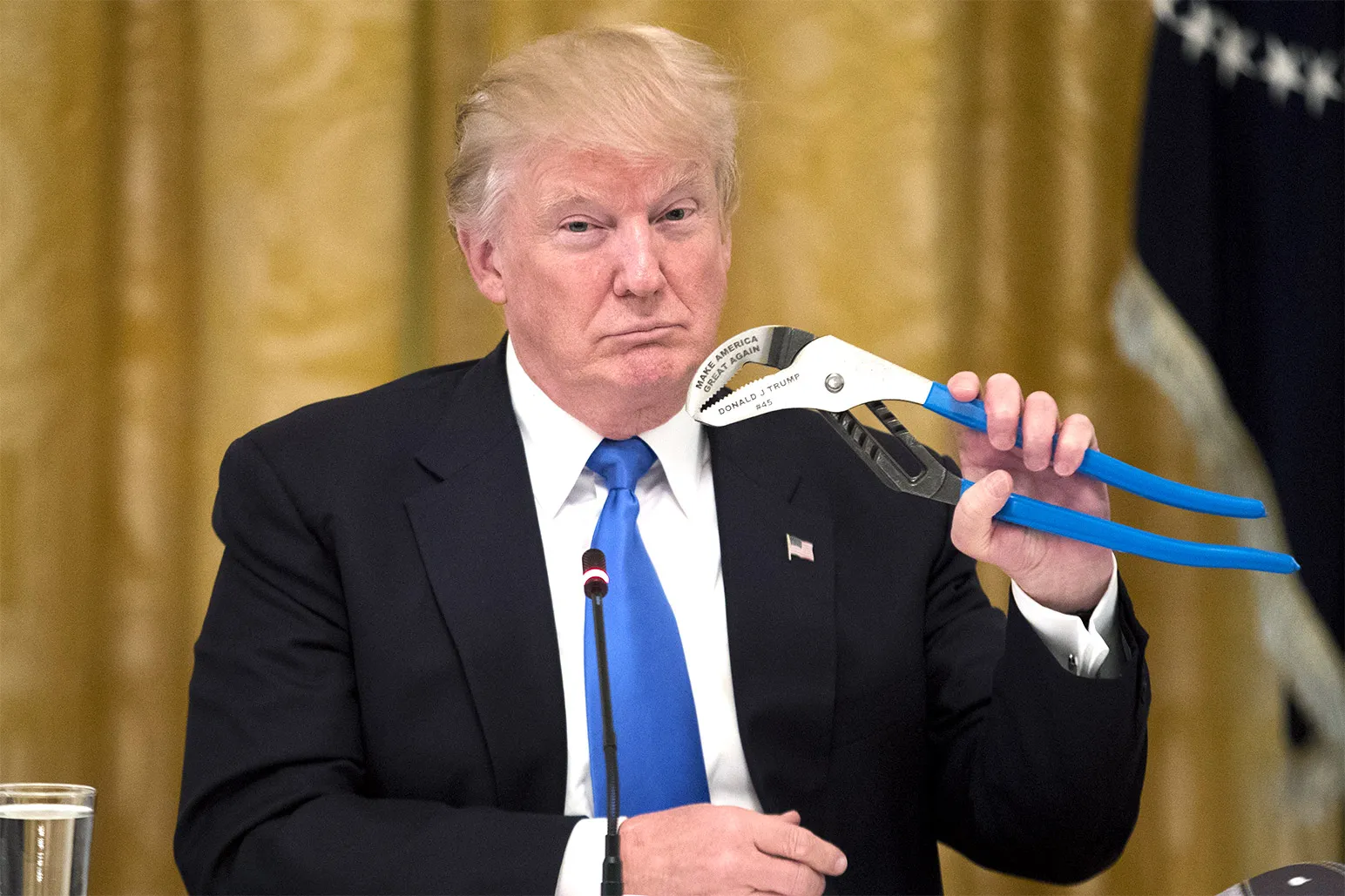
U.S. President Donald J. Trump, 79, has been diagnosed with chronic venous insufficiency (CVI) after doctors investigated swelling in both of his lower legs, the White House confirmed in a recent health update. The condition, while not life-threatening, highlights the challenges of aging and long hours spent on one’s feet—especially in one of the world’s most demanding leadership roles.
What Prompted the Diagnosis?
The President’s medical team noticed bilateral leg swelling during a routine physical exam and ordered a vascular ultrasound to rule out more serious issues such as deep vein thrombosis (DVT), arterial narrowing, or heart failure. Thankfully, none of those dangerous causes were present.
Instead, the tests revealed signs of venous reflux, confirming a diagnosis of chronic venous insufficiency, a relatively common but progressive vascular disorder that can lead to discomfort and visible symptoms if left unmanaged.
Understanding Chronic Venous Insufficiency (CVI)
CVI is a condition that develops when the valves inside the leg veins fail to work properly. Normally, these one-way valves help return blood to the heart against the force of gravity. When they become weak or damaged—often due to aging, genetics, obesity, or long periods of standing or sitting—blood can pool in the legs instead of flowing back up efficiently.
This pooling of blood leads to a variety of symptoms, including:
- Swelling in the lower legs or ankles
- A feeling of heaviness or tiredness in the legs
- Varicose veins or visibly bulging veins
- Skin discoloration or thickening
- In severe cases, open sores or ulcers near the ankles
Is It Serious?
Although uncomfortable and progressive, CVI is not considered a life-threatening disease. When caught early—as in the President’s case—it can be effectively managed with conservative treatments such as:
- Wearing compression stockings to improve blood flow
- Elevating the legs when sitting or sleeping
- Physical activity, such as walking, to stimulate circulation
- Avoiding prolonged standing or sitting
In some chronic or severe cases, minimally invasive procedures such as endovenous laser therapy (EVLT) or sclerotherapy may be used to seal or remove damaged veins.
Doctors say President Trump’s condition is in the mild stage and he is not experiencing any pain or complications. “This is a manageable, age-related condition, and the President remains in excellent overall health,” noted White House physician Dr. Bruce Conley, who emphasized there is no concern about the President’s ability to carry out his duties.
What About the Bruising on His Hand?
In addition to the leg swelling, public appearances raised questions about bruising on President Trump’s right hand. Officials confirmed the discoloration was due to a minor hematoma, most likely caused by vigorous handshaking and aspirin use. The President reportedly takes a low-dose aspirin daily as a preventive measure for cardiovascular health—a common practice for men in his age group.
Medical experts say such bruising is harmless and temporary, especially in individuals on blood thinners.
This update marks a rare instance of transparency regarding the President’s health. At 79, Trump is the oldest President to serve in U.S. history, and his well-being has remained a subject of public interest—particularly as he campaigns for a potential second term.
While chronic venous insufficiency may sound alarming to the public, experts emphasize it’s a treatable and relatively common vascular issue, especially in older adults. According to the American Heart Association, CVI affects 15–30% of people over the age of 50, with risk increasing with age.

















Leave a comment