

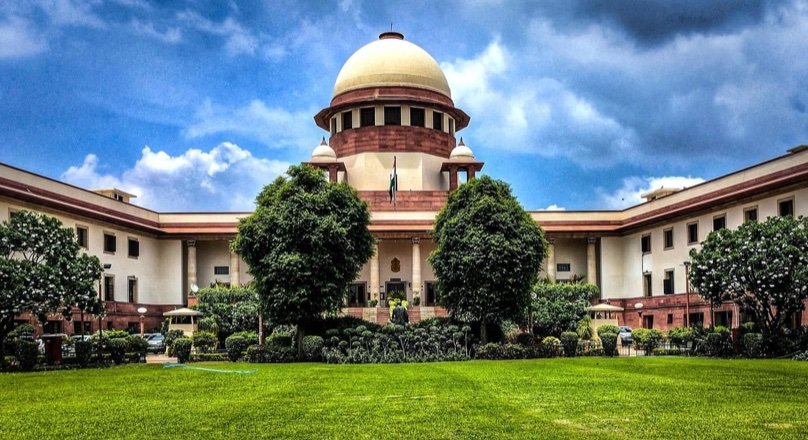
Hon’ble Supreme Court’s order dated 22nd August 2024, Shri Govind Mohan, Secretary of the Ministry of Home Affairs, and Shri Apurva Chandra, Union Health Secretary, co-chaired a virtual meeting today. The meeting brought together Chief Secretaries and Directors General of Police (DGPs) from various states to ensure that basic safety measures are in place to protect healthcare workers while awaiting the report from the National Task Force (NTF). Dr. Atul Goel, Director General of Health Services (DGHS), along with other senior officials from the Ministry of Health and Family Welfare, also attended the meeting. This discussion followed the first NTF meeting, chaired by the Cabinet Secretary, held the previous day.
State Governments’ Actions
During the meeting, representatives from State Governments and Union Territories (UTs), including Chief Secretaries and DGPs, provided updates on the steps they have taken to enhance the safety and security of healthcare workers in both public and private hospitals, medical colleges, and other healthcare institutions.
Immediate and Short-Term Measures
Here are some of the key measures that state governments have already implemented:
– Proper Implementation of State Legislation: In 26 states and UTs, such as Andhra Pradesh, Delhi, Maharashtra, and West Bengal, existing laws to protect healthcare professionals are being enforced. States without similar laws were urged to create the necessary legislation.
– Enhanced Awareness: States are displaying the provisions of Bharatiya Nyaya Sanhita (BNS) in hospitals and medical college premises to raise awareness about the protections available to healthcare workers.
– Appointment of Chief Security Officers: Hospitals and medical colleges are appointing Chief Security Officers to oversee safety measures.
– Police Verification of Employees: Contractual and outsourced employees working in government hospitals are undergoing police verification to ensure safety.
– Joint Security Audits: District Magistrates and Superintendents of Police, along with hospital management, are conducting joint security audits at government district hospitals and medical colleges.
– Increased Police Presence: Police chowkis (outposts) or thanas (stations) are being established in large medical colleges and district hospitals, with increased night patrols by police.
– Sexual Harassment Committees: Sexual complaint and harassment committees are being activated and made more effective in medical institutions.
– CCTV Surveillance: The review and strengthening of CCTV networks in hospital premises are ongoing, with a focus on covering dark zones and alleys. Many states have control rooms where CCTV footage is monitored and stored in the cloud.
– Improved Lighting: States are reviewing and upgrading the lighting in various parts of hospitals and medical colleges to enhance safety.
– Emergency Helplines: The 100/112 helpline numbers are operational in most states and are being used effectively. Many states are considering extending the 112 helpline specifically for the protection of healthcare workers.
– Security Drills: Regular drills to handle security threats, similar to fire safety drills, are being conducted in hospitals with healthcare workers.
– Audit of Hospital Spaces: Hospitals and medical colleges are auditing their spaces to ensure that unutilized rooms are not being misused by undesirable elements.
– Regulation of Duty Hours: States are regulating the duty hours of resident doctors to prevent exhaustion and ensure their safety.
– Security Escorts for Women Doctors: In some states, security escorts are provided for women doctors and senior residents during late-night duty hours, ensuring safe travel between hostels and workplaces.
Central Government’s Suggestions
During the meeting, Shri Govind Mohan, Secretary of the Ministry of Home Affairs, emphasized the need for additional safety measures in hospitals with high footfall. He requested the officers to implement the following:
– Installation of CCTV Cameras in Blind Spots: Ensuring all blind spots in hospital premises are covered by CCTV cameras.
– Integration with 112 Helpline: Connecting the 112 helpline directly to healthcare workers for quicker response times.
– Access Control in Large Hospitals: Enhancing access control measures in large hospitals to prevent unauthorized entry.
– Bharatiya Nyaya Sanhita (BNS) Awareness: Sharing information about the updated provisions under the BNS to enhance the legal protection of healthcare workers.
Encouragement for Innovative Ideas
Union Health Secretary Shri Apurva Chandra encouraged state governments to come up with innovative ideas to further improve safety and security for healthcare workers. He also highlighted some immediate actions that could be considered:
– Joint Security Audits: Conducting joint security audits with district collectors, DSPs, and hospital management to identify and address any shortcomings in current security arrangements.
– Regular Security Checks: Performing regular security checks of hired security personnel and other staff to ensure they meet safety standards. The Directorate General of Resettlement (DGR) and State Security Corporations can provide trained security personnel.
– Control Rooms in Large Hospitals: Establishing control rooms in large district hospitals and medical colleges to monitor CCTV footage, with a duty roster of staff assigned to this task.
– Distress Call Management: Ensuring that distress calls are promptly attended to by control rooms.
– Mock Security Drills: Regularly conducting mock security drills, similar to fire safety drills, to prepare healthcare workers for potential threats.
– Training of Security Personnel: Providing regular training to hired security personnel to improve their ability to handle security issues, as many are currently found lacking in this area.
– Patient Facilitators: Employing patient facilitators, trolley men, or multi-tasking staff in large hospitals to reduce the number of patient attendants, thereby lessening the burden on security personnel and healthcare workers.
– Bereavement Protocol Training: Offering training for doctors and other healthcare workers in bereavement protocols, particularly in emergency and casualty wards.
– Security and Safety Committees: Institutionalizing security and safety committees that involve senior and junior residents, as well as students, to continuously monitor the security situation and emergency preparedness.
– Routine Night Patrolling: Implementing routine security patrolling in all hospital and medical college premises during the night to deter potential threats.
This virtual meeting between central and state government officials underscores the urgent need to enhance safety measures for healthcare workers across India. With a focus on immediate and short-term actions, the government aims to create a safer working environment in hospitals and medical institutions, ensuring that healthcare professionals can perform their duties without fear or risk.
















Leave a comment