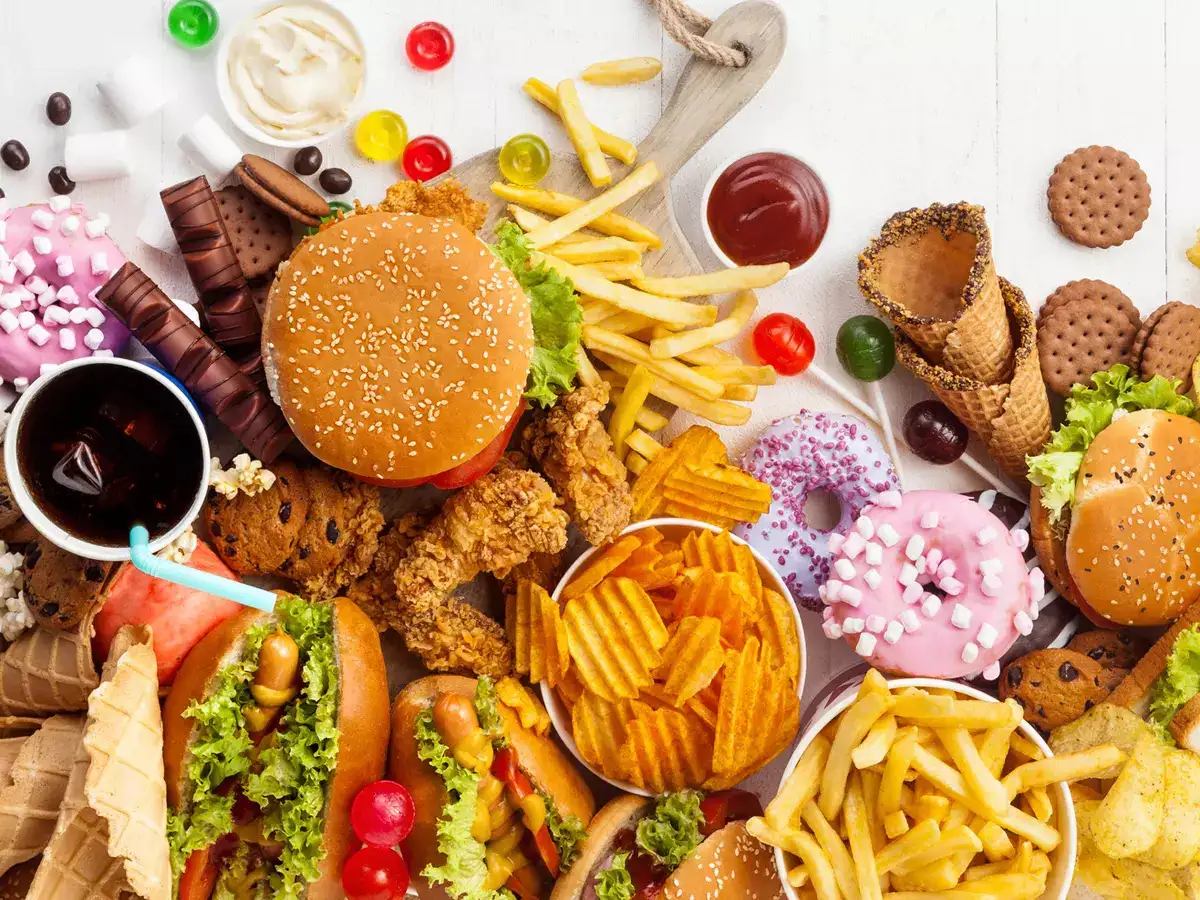
From breakfast cereals and instant noodles to packaged snacks, soft drinks, and ready-to-eat meals, ultra-processed foods (UPFs) have become a daily staple for millions. Marketed as convenient, affordable, and tasty, these foods now make up a large portion of modern diets—especially in urban populations.
But mounting scientific evidence suggests that ultra-processed foods are doing far more harm than most people realise. Doctors and nutrition scientists warn that high consumption of UPFs is strongly linked to obesity, type 2 diabetes, heart disease, depression, and even early death.
What makes this trend particularly dangerous is how silently it unfolds—often without obvious warning signs until serious health damage has already occurred.
What Are Ultra-Processed Foods?
Ultra-processed foods are industrial formulations made mostly from substances extracted from foods, along with additives designed to enhance flavour, texture, colour, and shelf life.
Common examples include:
- Packaged snacks and chips
- Instant noodles and ready-to-eat meals
- Sugary breakfast cereals
- Soft drinks and energy drinks
- Processed meats like sausages and nuggets
- Flavoured yoghurts and sweetened beverages
These foods often contain high levels of sugar, salt, unhealthy fats, and artificial additives, while being low in fibre, protein, and essential nutrients.
Why Ultra-Processed Foods Are Addictive by Design
Food scientists explain that UPFs are engineered to be hyper-palatable. The combination of sugar, fat, and salt triggers reward pathways in the brain, encouraging overeating.
Repeated exposure can:
- Override natural hunger signals
- Reduce satiety
- Promote emotional eating
This is why people often find it difficult to stop at one serving.
The Obesity Connection
Multiple large studies have shown a strong association between high UPF intake and weight gain.
Ultra-processed foods:
- Are calorie-dense but nutrient-poor
- Lead to rapid spikes in blood sugar
- Fail to keep people full for long
Over time, this creates a cycle of overeating and weight gain. Alarmingly, childhood obesity is rising in parallel with increased UPF consumption.
Diabetes Risk and Metabolic Damage
Ultra-processed foods are particularly damaging to metabolic health.
Frequent consumption:
- Increases insulin resistance
- Promotes abdominal fat accumulation
- Raises the risk of type 2 diabetes
Experts warn that diets dominated by UPFs can push the body into a state of chronic inflammation, a key driver of metabolic disease.
Heart Disease and High Blood Pressure
UPFs are often loaded with sodium, trans fats, and refined carbohydrates—all known contributors to cardiovascular disease.
High intake is linked to:
- Elevated blood pressure
- Increased “bad” LDL cholesterol
- Higher risk of heart attack and stroke
Cardiologists caution that diet-related heart disease is now affecting people at much younger ages.
The Gut–Brain Connection
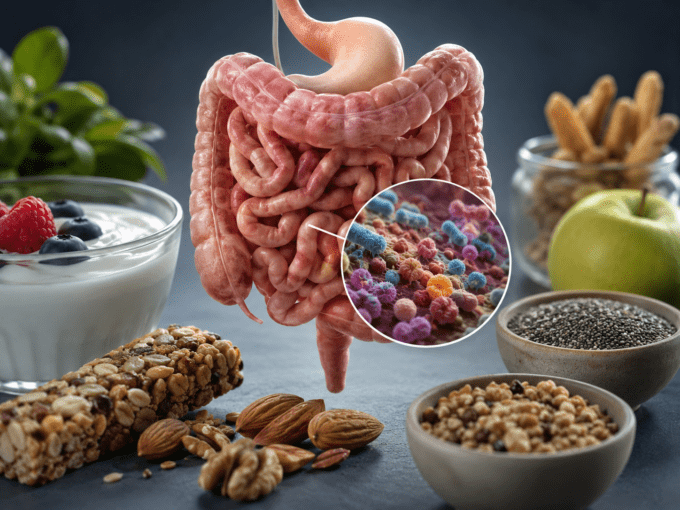
One of the most concerning discoveries is how ultra-processed foods disrupt the gut microbiome.
Additives such as emulsifiers and artificial sweeteners can:
- Damage gut lining
- Alter healthy bacteria balance
- Increase gut inflammation
This gut disruption has been linked not only to digestive problems, but also to depression, anxiety, and weakened immunity.
Mental Health Impact: Depression and Anxiety
Recent research suggests people who consume large amounts of ultra-processed foods have a higher risk of depression.
Scientists believe this is due to:
- Nutrient deficiencies
- Chronic inflammation
- Disrupted gut–brain signalling
Mental health experts warn that diet quality is becoming a key, yet overlooked, factor in emotional well-being.
Cancer and Early Death: What Studies Are Showing
Some studies have found associations between high UPF intake and increased risk of certain cancers, particularly colorectal cancer.
Large population studies have also linked ultra-processed diets with higher all-cause mortality, meaning a greater risk of dying early from various diseases.
While more research is ongoing, the trend has raised serious concerns among global health agencies.
Why UPFs Dominate Modern Diets
Ultra-processed foods thrive because they are:
- Cheap
- Convenient
- Heavily marketed
- Designed for long shelf life
Urban lifestyles, long work hours, and aggressive advertising make healthier choices harder—especially for families and children.
Who Is Most at Risk?
- Children and adolescents
- Working professionals with limited time
- Low-income populations
- People with sedentary lifestyles
Health experts stress that early exposure to ultra-processed foods can set lifelong eating patterns.
Can the Damage Be Reversed?
Yes—at least partially.
Gradually replacing ultra-processed foods with:
- Fresh fruits and vegetables
- Whole grains
- Home-cooked meals
- Natural proteins
can significantly improve metabolic markers, gut health, and overall well-being within weeks to months.
Reading Labels: A Crucial Skill
Experts advise consumers to:
- Check ingredient lists
- Avoid products with long, unfamiliar chemical names
- Be cautious of “low-fat” or “diet” claims
Often, the most processed foods are the most heavily marketed as healthy.
The Bigger Picture: A Public Health Challenge
Global health organisations now view ultra-processed foods as a major driver of non-communicable diseases.
Some countries are exploring:
- Front-of-pack warning labels
- Advertising restrictions for children
- Sugar and salt taxes
Experts believe policy changes, along with consumer awareness, are essential to curb this growing crisis.
Convenience at a Cost
Ultra-processed foods promise ease and flavour—but often deliver long-term harm. While occasional consumption is unlikely to cause damage, regular reliance on these foods can quietly erode health over time.
As lifestyle diseases rise worldwide, doctors stress that food choices made today could determine health outcomes years down the line.
Choosing real, minimally processed food may be one of the most powerful steps toward a longer, healthier life.