

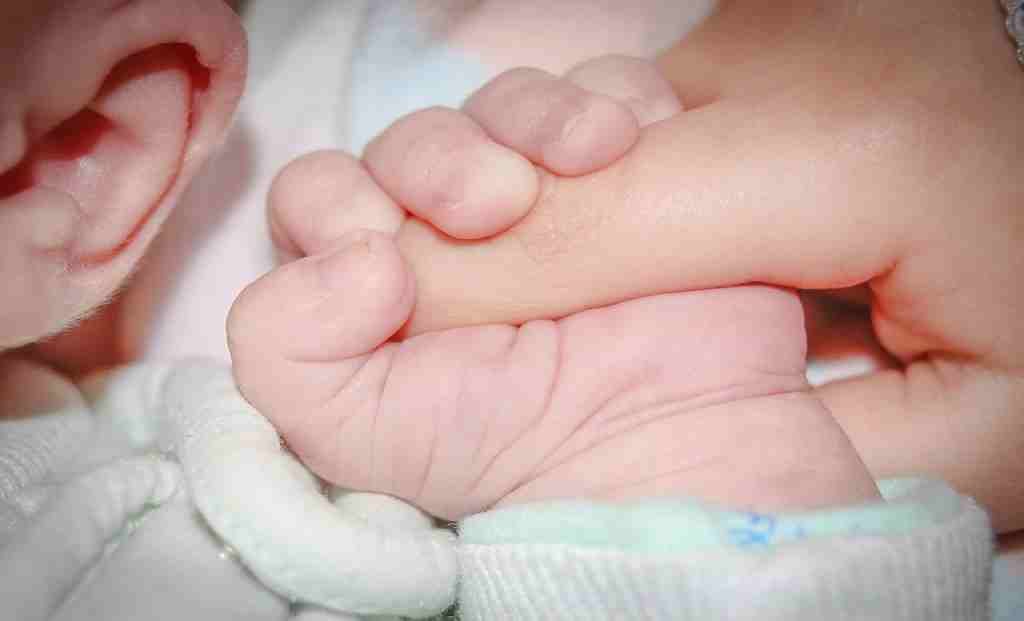
New Delhi, 17 July 2025: In a scientific milestone that could transform fertility and genetic medicine, the United Kingdom has successfully welcomed eight healthy babies born using DNA from three different individuals. This cutting-edge procedure, designed to prevent the transmission of rare but fatal genetic disorders, marks a major step forward in reproductive technology — and is only legally permitted in a few countries worldwide.
What Is the “Three-Parent Baby” Technique?
This pioneering fertility treatment is known as mitochondrial donation therapy (MDT) or mitochondrial replacement therapy (MRT). It involves using DNA from three people — the biological mother, the biological father, and a healthy female donor. The goal is to prevent the mother from passing on defective mitochondrial DNA to the child.
Mitochondria are tiny energy-producing structures in our cells, passed down only from mothers. But when a woman has faulty mitochondria, it can lead to devastating and often fatal conditions affecting the heart, brain, muscles, and liver. This therapy replaces the mother’s faulty mitochondria with healthy ones from a donor, giving the baby a better chance at a disease-free life.
How Does It Work?
Here’s a simplified breakdown of the process:
- The nucleus (which contains most of the parents’ DNA) is removed from the mother’s egg.
- This nucleus is then transferred into a donor egg that has healthy mitochondria — but its own nucleus is removed.
- The resulting egg now has nuclear DNA from the mother and father, and healthy mitochondria from the donor.
- This reconstructed egg is then fertilized with the father’s sperm and implanted in the mother’s womb.
This means the baby carries 99.8% of its DNA from the mother and father, and a tiny fraction — less than 0.2% — from the donor. The child will not look like the donor or inherit their traits, as mitochondria do not influence physical appearance or personality.
Why Was This Treatment Developed?
Mitochondrial diseases affect about 1 in 5,000 people worldwide and can be severely debilitating or fatal in early childhood. Until now, women carrying faulty mitochondrial genes had very few options if they wanted to have a genetically related child without passing on the condition. This treatment offers new hope to families affected by such disorders.
The UK legalized this treatment in 2015, becoming the first country to approve its use after rigorous ethical and scientific reviews. The technique is tightly regulated and permitted only in select cases where the risk of mitochondrial disease is high.
Are These Babies Normal and Healthy?
So far, the eight babies born in the UK using this technique are reported to be healthy, although detailed long-term studies are ongoing. The births took place under the supervision of the Human Fertilisation and Embryology Authority (HFEA), which has authorized a limited number of cases. The procedure is still considered experimental, and scientists are closely monitoring outcomes to ensure the safety and efficacy of the method.
Ethical Questions and Future Prospects
While this breakthrough offers a lifeline to families facing rare genetic diseases, it has also raised ethical concerns. Some critics warn that genetic manipulation, even at the mitochondrial level, could open the door to future “designer babies.” However, UK regulators maintain that this treatment is not genetic engineering in the conventional sense, as it does not alter genes that affect identity or traits.
Supporters argue that preventing suffering and early death from inherited diseases justifies the use of such technology, especially when done under strict oversight.
What This Means for the Future of Reproductive Medicine
The successful births in the UK are likely to pave the way for broader use of mitochondrial donation therapy in countries with similar regulatory frameworks. For now, it remains a highly specialized, tightly controlled procedure used only when absolutely necessary.
As science continues to advance, this could become a standard part of fertility medicine — offering thousands of parents a chance to have healthy biological children, free from the risk of devastating genetic conditions.

















Leave a comment