

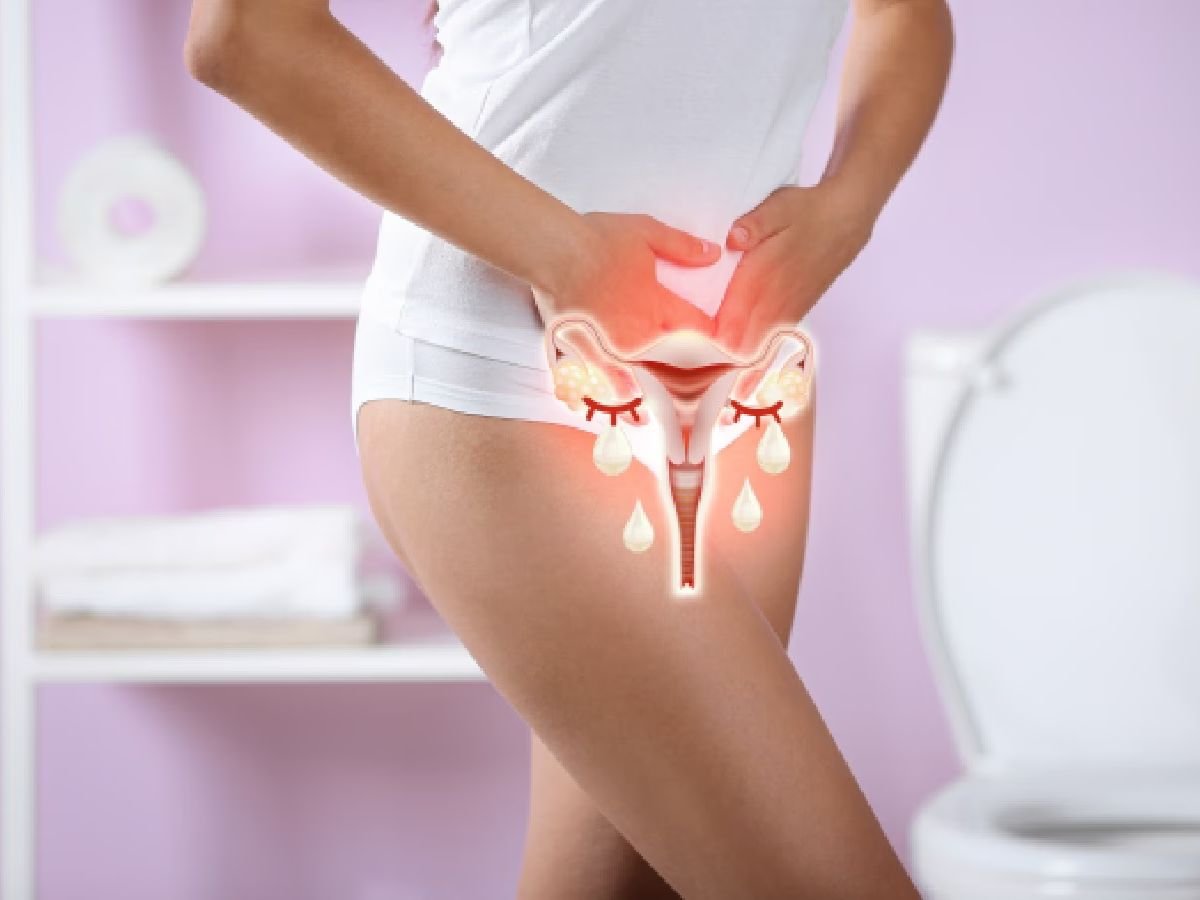
White discharge is a common and natural phenomenon in women. The cervix and vagina produce a fluid to maintain the hygiene and health. The consistency, colour, and odour of vaginal discharge might differ based on the menstrual cycle, hormonal fluctuations, sexual activity, and overall health. However, diet can play a role in managing vaginal health and reducing the likelihood of excessive or abnormal discharge.
Let’s take a look at foods to eat and avoid for promoting vaginal health:
Foods to Eat for Vaginal Health:
- Fresh Fruits and Vegetables: Eat a range of vibrant fruits and vegetables since they are a great source of vitamins, minerals, and antioxidants that boost immunity and general health.
- Fibre-rich foods: Consume a wide variety of foods high in fibre, such as fruits, vegetables, whole grains, beans, and legumes. By lowering the risk of constipation and improving general gut health, fibre can indirectly improve vaginal health by assisting in digesting and regulating bowel movements.
- Probiotic-rich foods: Include foods high in probiotics, like kombucha, yogurt, kefir, kimchi, and sauerkraut. Probiotics aid in preserving the proper ratio of good bacteria in the gut and vagina, which can guard against infections and preserve the pH balance of the vagina.
- Omega-3 fatty acids: Consume foods rich in omega-3 fatty acids, such as walnuts, flaxseeds, chia seeds, and fatty fish (salmon, mackerel, and sardines). The anti-inflammatory qualities of omega-3s may aid in lowering inflammation throughout the body, particularly in the vaginal region.
- Water: Drink lots of water throughout the day to stay hydrated. Drinking enough water keeps the vagina moisturized and helps avoid drying it out, which can cause irritation or pain.
Foods to Avoid for Vaginal Health:
- Excessive Caffeine: While most people can tolerate moderate amounts of caffeine without problem, overindulging in the beverage can cause dehydration, which can have an impact on vaginal moisture levels. Water or herbal teas are better options if you want to avoid caffeine-filled drinks.
- Eat less highly processed food: Processed foods are high in harmful fats, additives, and preservatives and lacking in nutrients. These foods may have an indirect effect on vaginal health and upset stomach health.
- Spicy Foods: For some people, eating spicy food might aggravate pre-existing vaginal discomfort or irritate the bladder. Reduce your intake of spicy foods if you find that they exacerbate your symptoms.
- Added sugars: Reduce the amount of added sugars you consume because they can cause imbalances and infections by feeding bad bacteria and yeast in the body. Reduce your intake of sugary drinks, sweet desserts, and processed foods that are high in refined sugar.
- Extremely Acidic Foods: Certain foods, such as tomatoes and citrus fruits, have an acidic content that might aggravate symptoms in people who are already susceptible to vaginal irritation or infections. Observe how your body responds to these foods and modify your diet if necessary.
- Alcohol: Drinking too much alcohol can affect immune system performance and hormone levels, which may raise the risk of vaginal infections. Consume alcohol carefully and in moderation.
To maintain vaginal health and lessen the chance of experiencing abnormal discharge, adopt a balanced diet high in minerals, fibre, and probiotics and low in processed foods and excessive sweets.















Leave a comment