Home Health News The Hidden Dangers of Air Pollution and Fog: A Growing Threat to Human Health
Health News

The Hidden Dangers of Air Pollution and Fog: A Growing Threat to Human Health

Share
Air Pollution PM2.5
Air Pollution PM2.5
Share

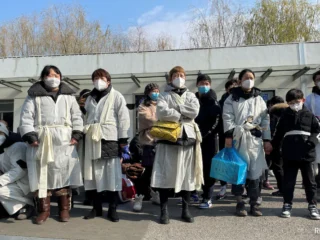
New Delhi, 11 January 2025: Air pollution and fog, two seemingly unrelated atmospheric phenomena, often combine to create dangerous conditions that severely impact human health. This hazardous mix, commonly referred to as smog, is increasingly prevalent in urban areas, posing significant risks to respiratory health, cardiovascular systems, and overall well-being.

The Air Pollution Problem

Air pollution primarily results from emissions of particulate matter (PM), nitrogen oxides, sulfur dioxide, and other pollutants from vehicles, industries, and burning of fossil fuels. When these pollutants linger in the atmosphere, they degrade air quality and exacerbate health problems, especially for children, the elderly, and those with pre-existing conditions.

How Fog Amplifies Pollution’s Impact

Fog acts as a natural trap for airborne pollutants, creating dense layers of smog that limit visibility and exacerbate health risks. Tiny water droplets in fog interact with pollutants to form acidic compounds, which can enter the respiratory tract, causing irritation, coughing, and worsening of conditions like asthma and bronchitis.

Health Impacts of Smog and Pollution

Exposure to smog and polluted air can lead to a range of health problems:

Respiratory Issues: Fine particulate matter (PM2.5) can penetrate deep into the lungs, causing inflammation, reduced lung function, and even lung cancer.

Cardiovascular Risks: Polluted air is linked to increased risks of heart attacks, strokes, and high blood pressure.

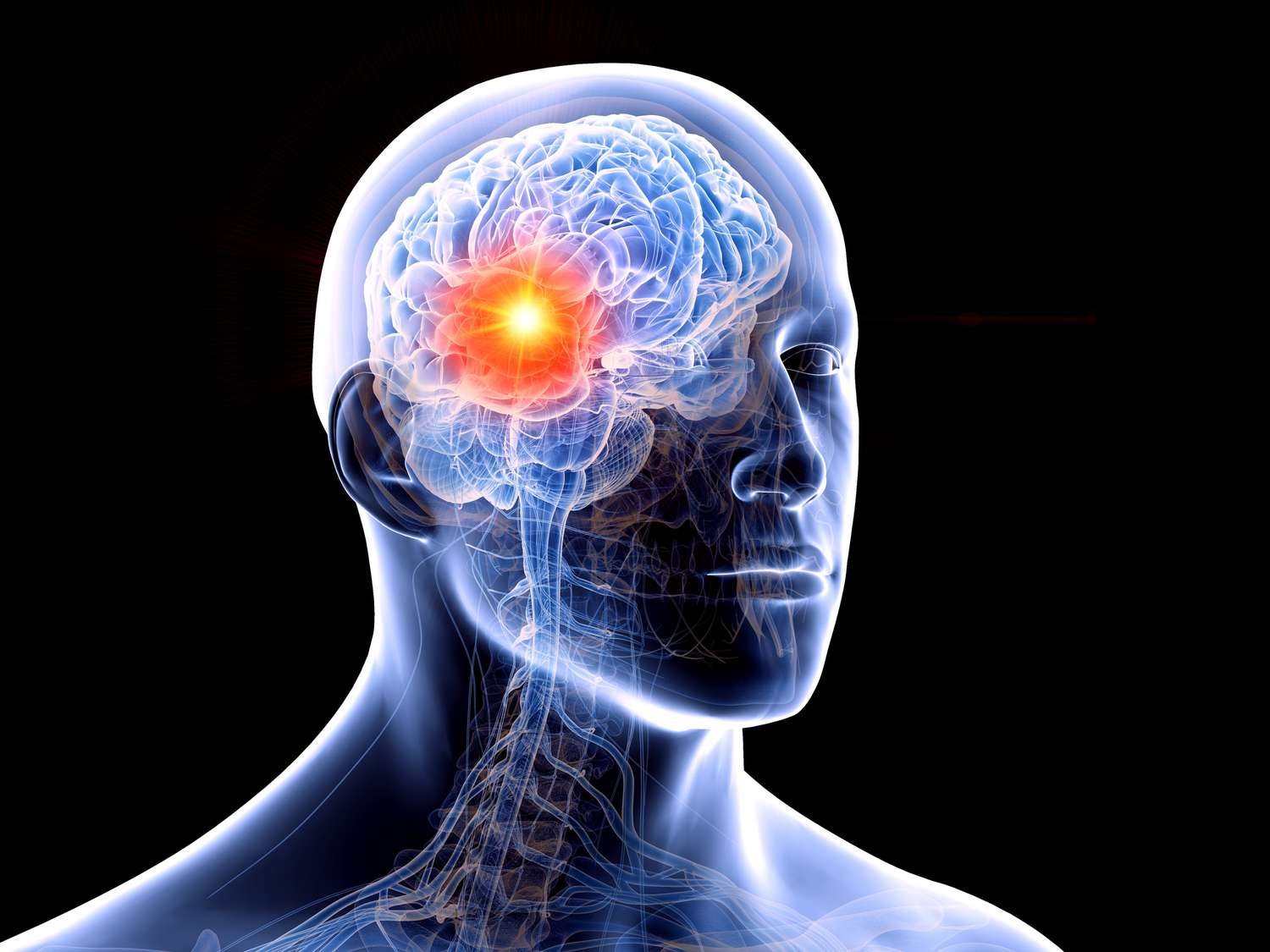
Neurological Concerns: Emerging studies suggest long-term exposure to air pollution can impact cognitive function and increase the risk of neurodegenerative diseases.

    High-Risk Populations

    Infants, children, pregnant women, and individuals with chronic illnesses are particularly vulnerable. Their developing or weakened immune systems make them more susceptible to the toxic effects of polluted air and smog, leading to long-term health consequences.

    Preventive Measures for Public Health

    Governments and individuals must take steps to mitigate the dangers of air pollution and fog:

    Policy Action: Strengthening emissions regulations, promoting clean energy, and improving public transportation can reduce pollution levels.

    Public Awareness: Educating people about the risks of smog and the importance of limiting outdoor activities during high pollution episodes can help protect health.

    Personal Safety: Using air purifiers indoors, wearing masks outdoors, and monitoring air quality indices (AQI) can help minimize exposure.

      The hidden dangers of air pollution and fog represent a growing public health crisis that requires urgent attention. By addressing pollution at its source and adopting protective measures, societies can reduce the risks associated with this hazardous combination, ensuring healthier and safer environments for future generations.


      Share
      Written by
      kirti Shah

      Kirti is a Health Editor at Healthwire Media, specializing in health journalism and digital health communication. With over four years of experience in the healthcare media landscape, she is dedicated to transforming complex clinical data into accessible, patient-friendly information. Kirti oversees the editorial lifecycle of every article, ensuring they meet rigorous fact-checking standards and align with the latest guidelines from primary sources like the WHO and Ministry of Health. In her role, Kirti works closely with a panel of board-certified physicians and medical reviewers to ensure that every piece of content published is not only easy to understand but also medically accurate and safe for the public. She is passionate about health literacy and helping readers navigate their wellness journeys with confidence.

      Leave a comment

      Leave a Reply

      Your email address will not be published. Required fields are marked *

      Don't Miss

      Antibiotics For Viral Fever And Cold: Why Taking Them Without A Prescription Can Be Harmful
      Health TipsWellness

      Antibiotics For Viral Fever And Cold: Why Taking Them Without A Prescription Can Be Harmful

      A fever, sore throat, runny nose or persistent cough can make anyone uncomfortable, especially when symptoms interfere with daily activities. In an attempt...

      National Epilepsy Day
      Health NewsNeurology

      National Epilepsy Day 2026: 7 Things You Should Never Do When Someone Has A Seizure

      Epilepsy is a neurological condition that can affect people of any age, and witnessing someone having a seizure can be frightening. However, knowing...

      Health NewsLatest NewsLifestyle

      7 Simple Ways to Protect Yourself from Air Pollution

      Air pollution has become a major health concern today. Dust from construction sites, smoke from firecrackers and pollution from factories are making the...

      Diet & NutritionLifestyleLifestyle & Wellness

      Vitamin B12 Deficiency: 8 Warning Signs Your Body May Be Missing This Essential Nutrient

      Sometimes, we feel tired even after getting eight hours of sleep. At times, we may also experience numbness or tingling in our hands...

      Diabetes and Heart Disease
      Health TipsLatest NewsLifestyle & WellnessWellness

      Muscle Loss After 50: Why It May Increase The Risk Of Diabetes And Heart Disease

      Losing muscle mass is often considered a normal part of ageing. However, a gradual decline in muscle strength and function after the age...

      Section title

      Related Articles
      Brain
      Health NewsNeurology

      Does Ageing Change How Your Brain Cleans Itself During Sleep? New Study Explains

      Using simultaneous electroencephalography (EEG) and functional magnetic resonance imaging (fMRI), researchers monitored...