

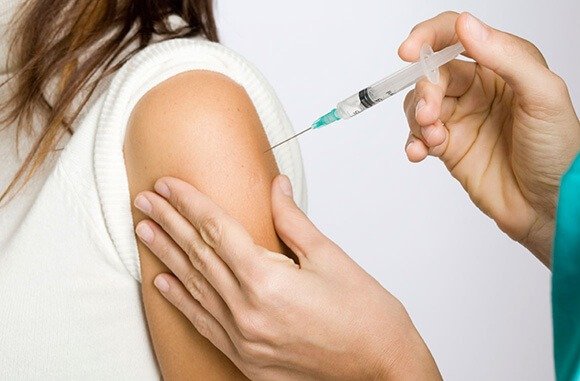
India is set to launch a nationwide Human Papillomavirus (HMPV) vaccination programme offering free immunisation to girls aged 14 years, marking a significant milestone in the country’s fight against cervical cancer. The initiative, part of the government’s ‘Swastha Nari’ mission, aims to protect adolescent girls against one of the most common yet preventable cancers affecting women in India.
The programme will use a single-dose Gardasil vaccine, a quadrivalent formulation that protects against HPV types 16 and 18, which cause cervical cancer, as well as types 6 and 11. Cervical cancer remains the second most common cancer among women in India, with nearly 80,000 new cases and over 42,000 deaths reported annually. HPV types 16 and 18 account for more than 80 per cent of cervical cancer cases in the country.
The vaccination will be voluntary and administered free of cost at designated government health facilities, including Ayushman Arogya Mandirs, community and district hospitals, and government medical colleges. Health Ministry sources said all vaccination sessions will be conducted under the supervision of trained medical officers, with systems in place for post-vaccination observation and management of rare adverse events.
What Is Cervical Cancer: What Makes It Dangerous?
Cervical cancer remains a serious health concern in India, accounting for a substantial number of cancer-related deaths among women each year. Health experts have long stressed that most cases are preventable through timely vaccination and regular screening. The upcoming nationwide rollout of the HPV vaccine is being seen as a proactive move to curb the disease at its roots.
Why HPV Vaccination Matters
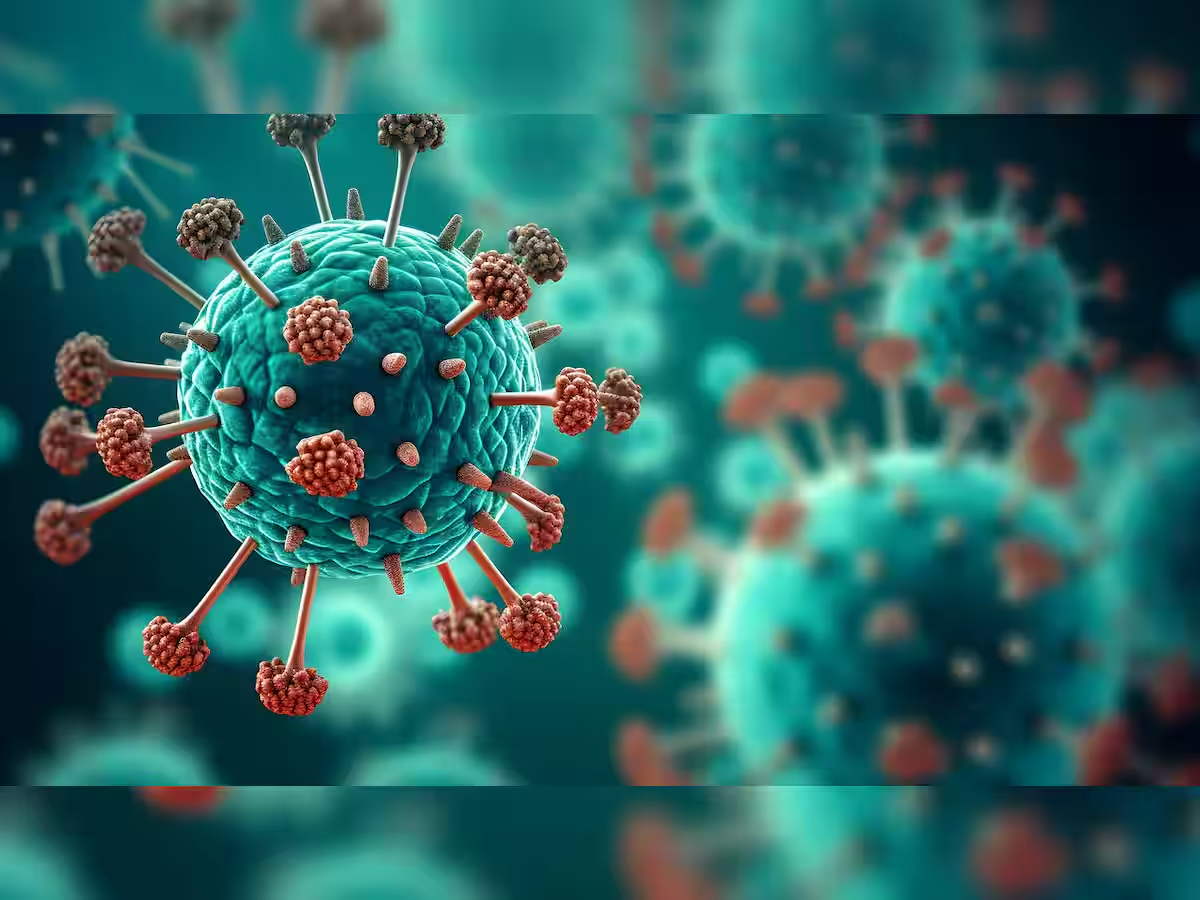
Human Papillomavirus (HPV) is a common viral infection transmitted through intimate skin-to-skin contact. While many HPV infections clear on their own without causing symptoms, certain high-risk strains can lead to cervical cancer over time. According to global health data, nearly all cases of cervical cancer are linked to persistent HPV infection.
Vaccination before exposure to the virus — ideally during adolescence — significantly reduces the risk of developing cervical cancer later in life. Medical experts recommend administering the vaccine to girls between the ages of 9 and 14, as the immune response is strongest during this period.
The vaccine works by protecting against the most dangerous HPV strains responsible for the majority of cervical cancer cases. Studies have shown that countries with robust HPV immunisation programmes have witnessed a sharp decline in cervical cancer rates over the years.
India joins 160 countries worldwide that have introduced HPV vaccination into their national immunisation schedules, with over 90 countries implementing single-dose schedules. The vaccine has an excellent safety record, supported by more than 500 million doses administered globally since 2006. HPV vaccines demonstrate 93 to 100 per cent effectiveness in preventing cervical cancer caused by vaccine-covered HPV types. The government secured vaccine supplies through India’s partnership with Gavi, the Vaccine Alliance, ensuring quality-assured doses meeting regulatory and cold-chain standards.















Leave a comment