


New Delhi, 21 May 2025: As temperatures soar across India and other parts of the world, the risk of heatwave-induced heart attacks is becoming a growing concern for health experts. Extreme heat not only poses the threat of dehydration and heatstroke but also significantly increases the risk of cardiovascular emergencies, particularly heart attacks. Understanding the link between heatwaves and heart health is crucial, especially for older adults, people with pre-existing conditions, and those exposed to the sun for prolonged periods.
How Heatwaves Trigger Heart Attacks
During a heatwave, the body works overtime to maintain its internal temperature. To cool down, your heart pumps harder, and blood vessels widen to release heat through the skin. This added strain can worsen pre-existing heart conditions or cause new cardiovascular problems, especially if dehydration sets in. Electrolyte imbalances, low blood pressure, and thicker blood due to fluid loss can all contribute to a sudden cardiac arrest.
According to cardiologists, hot weather increases the heart’s workload significantly, making even healthy individuals vulnerable if they don’t stay properly hydrated and protected from the sun.
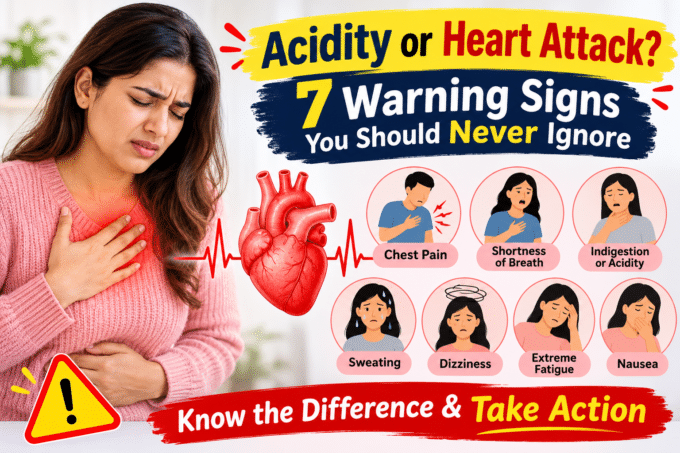
7 Warning Signs of a Heat-Related Heart Attack
Recognising the symptoms early can be life-saving. Here are the top symptoms of a heatwave-induced heart attack you should never ignore:
Chest Pain or Discomfort
A persistent pressure or squeezing sensation in the chest, especially when exposed to extreme heat, can be a clear sign of cardiac distress.
Excessive Sweating or Sudden Cold Sweats
While sweating is a natural cooling mechanism, unusual or cold sweats, particularly with other symptoms, may indicate a heart problem.
Shortness of Breath
Difficulty breathing without exertion or a sense of being unable to catch your breath is a major red flag.
Nausea or Light-headedness
Feeling faint, dizzy, or nauseous in hot weather could signal a lack of blood flow to the heart or brain.
Rapid or Irregular Heartbeat
Heat can cause an elevated heart rate, but if it becomes erratic or uncomfortably fast, it could point to a serious issue.
Unusual Fatigue
Heat exhaustion and heart attacks both cause extreme tiredness. If the fatigue feels sudden and overwhelming, seek medical help.
Pain in the Arms, Jaw, Neck or Back
Discomfort in these areas, especially when combined with chest pain, is a classic symptom of a heart attack.
Prevention Tips: How to Stay Safe During a Heatwave
To reduce your risk of heat-induced heart problems:
- Stay Hydrated: Drink plenty of water, even if you’re not thirsty.
- Avoid Peak Sun Hours: Stay indoors during the hottest part of the day (12 pm to 4 pm).
- Limit Physical Activity: Don’t overexert yourself outdoors.
- Wear Light Clothing: Opt for breathable fabrics and a hat.
- Watch for Symptoms: Act immediately if you feel unwell.
With temperatures rising to dangerous levels, it’s more important than ever to protect your heart. Stay cool, stay hydrated, and don’t ignore any warning signs of a heart attack — especially during a summer heatwave. Early action can save lives.














Leave a comment