Home Latest News Study Shows Fatality Risk From Chikungunya Persists For Over Three Months Post Infection
Latest NewsSpotlight

Study Shows Fatality Risk From Chikungunya Persists For Over Three Months Post Infection

Share
Dengue patients should avoid eating junk foods that can elevate inflammation in the body.
Share

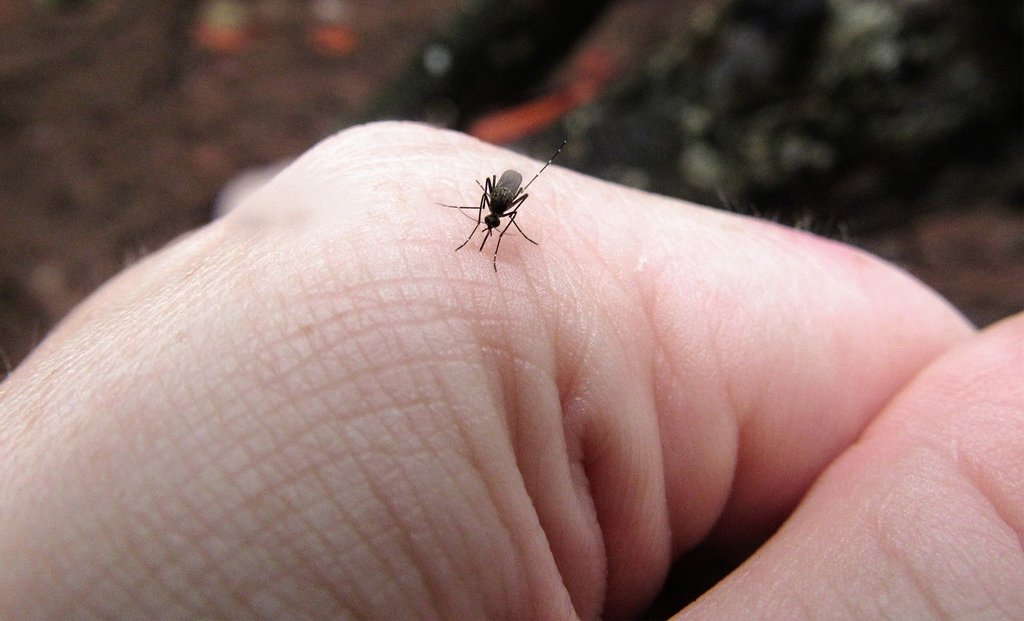
A study released in the Journal of Lancet Infectious Diseases has revealed that individuals infected with the chikungunya virus are at an elevated risk of death for up to three months after infection. Chikungunya is a viral infection that spreads via mosquitoes to humans. The infection transmits through Aedes aegypti and Aedes albopictus mosquitoes that are known as yellow fever and tiger mosquitoes, correspondingly. Although the majority of patients recuperate completely, chikungunya infection can be fatal at times. Even though most chikungunya infections are unreported, around 5 lakh incidents and more than 400 fatalities were reported across the world in 2023. The authors of the study say that with the rise in the number of chikungunya cases, it is essential for healthcare services to weigh the risk linked to chikungunya that lingers on even after the severe phase of infection is over.

Around 1.5 lakh confirmed cases of chikungunya infection have been examined in the study. Experts say that the duration of severe chikungunya infection lasts for 14 days post-symptom onset. The study found that patients were at an elevated risk of mortality through cardiovascular issues like metabolic and kidney diseases and ischemic heart disease irrespective of age group and sex. In the first week, chikungunya patients were at eight times increased risk of death as compared to healthy people. Individuals infected with chikungunya were found to be at two times higher risk of death due to disease complications three months after infection.

Experts note that Aedes-borne infections tend to shoot up in frequency and sites due to industrialization, climate change, and increased human mobility. Chikungunya infection is now known as a rising threat to public health. At present, no specific treatment is available for preventing or curing the infection. However, the US Food and Drug Administration (FDA) has authorized the world’s first chikungunya shot. The authors of the study say that there is an urgent need for strengthening measures to contain the transmission of chikungunya virus-carrying mosquitoes.

Share

Leave a comment

Leave a Reply

Your email address will not be published. Required fields are marked *

Don't Miss

Diet & NutritionLifestyleLifestyle & Wellness

Vitamin B12 Deficiency: 8 Warning Signs Your Body May Be Missing This Essential Nutrient

Sometimes, we feel tired even after getting eight hours of sleep. At times, we may also experience numbness or tingling in our hands...

Diabetes and Heart Disease
Health TipsLatest NewsLifestyle & WellnessWellness

Muscle Loss After 50: Why It May Increase The Risk Of Diabetes And Heart Disease

Losing muscle mass is often considered a normal part of ageing. However, a gradual decline in muscle strength and function after the age...

Latest News

How Metabolic Disorders Are Raising the Risk of Gynecological Cancers in Women

Metabolic disorders such as obesity, diabetes, insulin resistance, and polycystic ovarian syndrome (PCOS) are increasingly common among women. While these conditions are often...

Diabetes
Lifestyle & Wellness

Air Pollution May Increase Type 2 Diabetes Risk By 10–16%: Study Reveals

Air pollution may be doing more damage to your health than previously understood. Besides increasing the risk of respiratory illnesses, heart disease and...

Health NewsHealth TipsLifestyleLifestyle & WellnessWellness

Can You Exercise Outdoors When AQI Is Above 300? What Doctors Recommend

When the Air Quality Index (AQI) crosses 300, is it safe to go for a morning walk, run, cycle or exercise outdoors? Health...

Section title

Related Articles
Latest NewsWHO

WHO Releases First-Ever Guidelines For Type 1 Diabetes In Adults: 5 Key Recommendations Explained

The World Health Organization (WHO) has issued its first-ever guidelines for the...

Health NewsLatest NewsLifestyle

7 Simple Ways to Protect Yourself from Air Pollution

Air pollution has become a major health concern today. Dust from construction...