

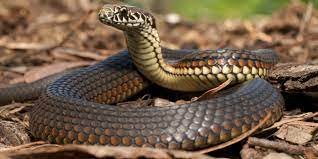
Out in nature, there’s something special about enjoying the great outdoors, but sometimes, there’s a little danger lurking – snake bites. As the weather gets warmer and we head outside more often, it’s super important to know what to do if a snake decides to take a nibble. That’s where these handy tips come in – they’re like your survival cheat sheet!
Here’s What You Should Do
1. Stay Cool and Calm:
When things get scary, staying chill is key. Keep calm and reassure the person who got bitten. Freaking out can make things worse.
2. Back Away Slowly:
If you see a snake, don’t startle it. Move away slowly to avoid any more trouble.
3. Hands Off the Wound:
Whatever you do, don’t poke or suck at the bite. Touching it could make things go from bad to worse.
4. Loosen Things Up:
If the bites on a limb, like your arm or leg, take off anything tight – like shoes, belts, or tight clothes – to keep the blood flowing.
5. Get Comfortable:
If someone’s been bitten, help them lay on their left side with their right leg bent and hand supporting their face. It might sound weird, but it helps slow down the venom.
6. Head to the Hospital:
Time is super important. Get the person to a doctor as fast as you can. They’ll need proper medical help to get better.
And Here’s What You Shouldn’t Do
1.Keep It Cool:
Don’t let the person who got bitten run around or panic. It could make things worse.
2. Leave the Snake Alone:
Even if you’re angry, don’t try to hurt the snake back. It’ll only make things more dangerous.
3. No Quick Fixes:
Don’t try to put any fancy antidotes or medicines on the bite. That’s a job for the experts!
4. Don’t Tie It Off:
Whatever you do, don’t tie anything around the bite area. It could mess up the blood flow and make things way worse.
5. Stay on the Side:
Don’t let the person lie on their back. It can mess with their breathing. Side lying is where it’s at!
6. Say No to Old Tricks:
Don’t try any old-school or risky methods to fix the bite. Stick to what the doctors say.
These tips aren’t just random advice – they’re backed by the United Nations Development Programme (UNDP). So, when you’re out in the wild and you come across a slithery situation, remember these do’s and don’ts. They could be the difference between a little scare and a big problem.















Leave a comment